




Upgrade Your Weather Watch
A basic weather app won't suffice when travel plans are at stake. Go beyond a simple forecast by using the official India Meteorological Department (IMD) website and its mobile apps. The IMD issues district-wise alerts, colour-coded as red, orange, and yellow,
to indicate the severity of expected rainfall and wind. As of early August 2026, multiple states including Kerala, Punjab, Karnataka, and several in the Northeast have active alerts. Knowing the specific warnings for your route and destination allows you to make informed decisions, such as delaying a drive or re-routing your trip to avoid the most-affected areas.
Rethink Your Route and Ride
Monsoon rains have a significant impact on all modes of transport. Flights, particularly at coastal airports like Mumbai and Goa, face a high risk of delays and cancellations. If flying is necessary, book direct flights where possible and build in a buffer of at least three hours for any connections. For road travel, be aware that braking distances increase on wet roads, visibility is poor, and waterlogging is a constant threat. Before you start, check your tyres for adequate tread and ensure your brakes and wipers are in top condition. Avoid driving through deep water, as you can't see hidden potholes, and water entering the air intake can kill your engine. If visibility becomes too poor, it's safer to pull over and wait for the downpour to ease.
Pack for the Downpour, Not the Destination
Your packing strategy needs to shift from destination-focused to weather-focused. Prioritise quick-dry synthetic fabrics like polyester and nylon over cotton, which can take days to dry in high humidity. Instead of a bulky umbrella that can be useless in high winds, opt for a lightweight waterproof jacket. Waterproof footwear with a good grip is essential for navigating slippery streets. Protect your electronics and important documents by packing them in waterproof pouches or zip-lock bags. A few silica gel packs thrown into your luggage can absorb excess moisture and prevent that lingering damp smell in your clothes.
Choose Your Destination Wisely
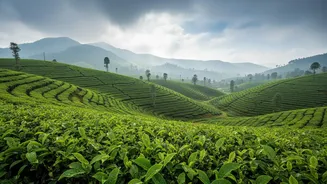
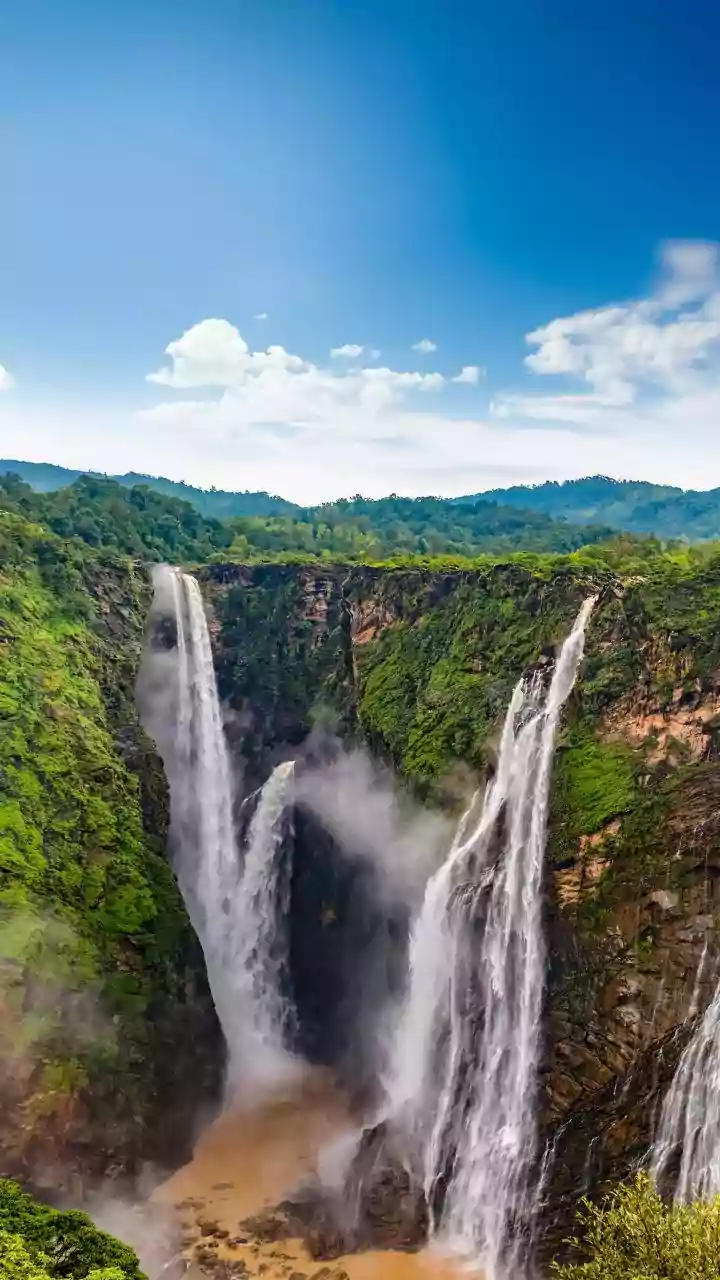
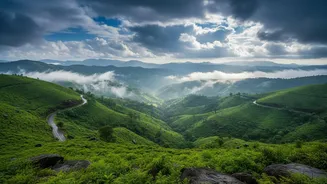
Some destinations thrive in the monsoon, while others become high-risk zones. The lush greenery of places like Munnar in Kerala, Coorg in Karnataka, or the hill stations of Maharashtra are at their most beautiful during the rains. However, these areas also carry the risk of landslides, so always check local advisories. Conversely, some regions are largely unaffected by the southwest monsoon. The desert state of Rajasthan and the South East coast of Tamil Nadu receive significantly less rainfall during this period. Ladakh, in the rain shadow of the Himalayas, remains dry and is an excellent choice for an escape from the nationwide downpour.
Your On-the-Road Safety Kit
Smart planning extends to being prepared for the unexpected. If you're driving, always keep your fuel tank topped up, as traffic jams are common during heavy rain. Keep a car kit with water, snacks, a power bank for your phone, a towel, and a first-aid kit. Your first-aid kit should include basics, but also consider items for monsoon-specific issues, like insect repellent and anti-fungal powder. Have emergency numbers, including the national unified number (112) and local disaster management agencies, saved on your phone. This preparation ensures that even if you face a delay, you can handle it safely and with minimal stress.