


Anchor the Room with a Smart Layout
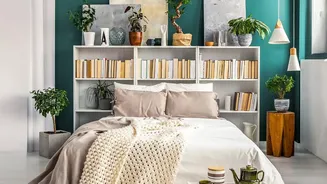
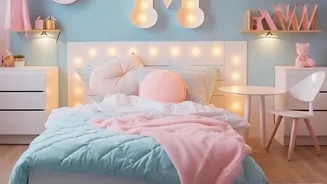
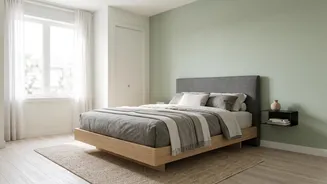
The first step in conquering a small bedroom is mastering the layout, and the bed is your anchor. Interior designers often recommend placing your bed in the centre of the main wall you see when you walk in. This creates a sense of symmetry and balance,
making the room feel more organised. If possible, leave enough space on either side for narrow nightstands. If space is extremely tight, consider pushing the bed into a corner. While this may limit access to one side, it can free up a significant amount of floor space for other functions. Before you commit, map out clear pathways. You should be able to walk from the door to the bed and access your closet and windows without obstruction.
Choose Double-Duty Furniture
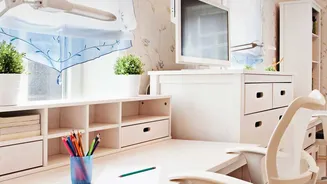
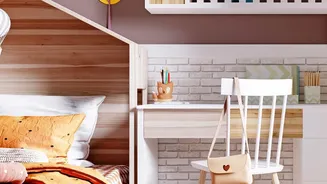
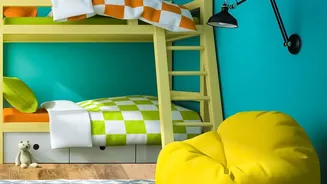
In a small room, every piece of furniture must earn its keep. Multifunctional furniture is your greatest ally in the fight against clutter. A bed with built-in storage, such as hydraulic lift-up frames or drawers, can eliminate the need for a bulky, separate dresser. This is prime real estate for stowing away seasonal clothing, extra bedding, and luggage. Similarly, a sleek wall-mounted desk can fold away when not in use, and an ottoman with hidden storage can serve as extra seating, a footrest, and a place to hide blankets. For those who need a workspace, some innovative designs even combine a Murphy bed with a desk or sofa.
Go Vertical and Keep Floors Clear
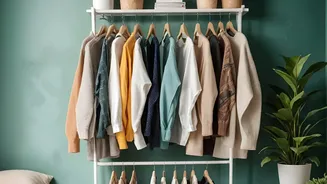
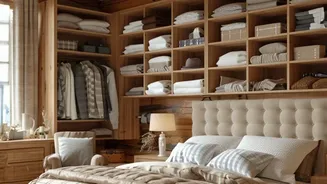
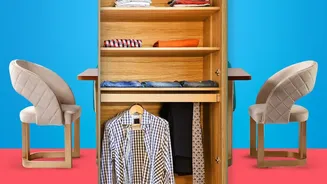
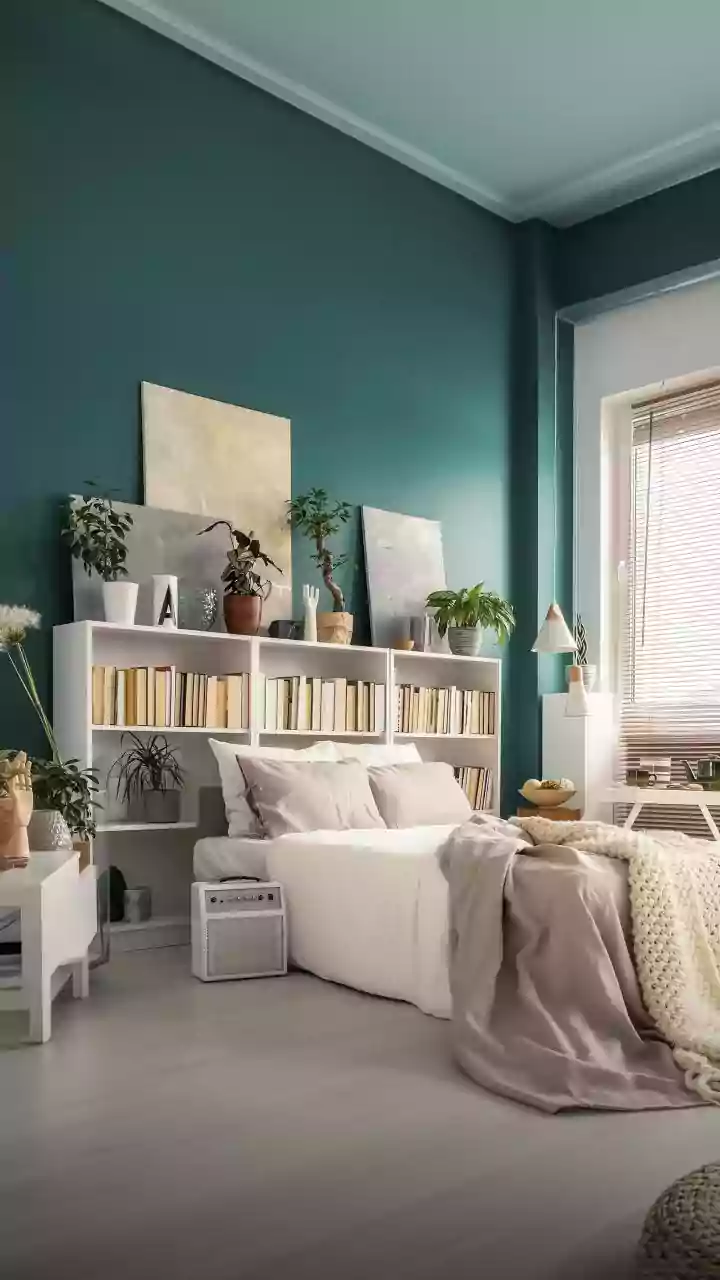
When floor space is limited, the only way to go is up. Using your walls effectively is key to reducing visual clutter at ground level. Install tall, narrow bookcases or floating shelves to draw the eye upward and provide storage for books and decor without taking up precious floor space. Wall-mounted units, whether for your TV or as a bedside table, create an illusion of spaciousness because the floor remains visible underneath. If your closet has more room than you need, consider tucking your dresser or chest of drawers inside it to free up the main bedroom area entirely. This simple move can dramatically open up the room.
Create the Illusion of Space
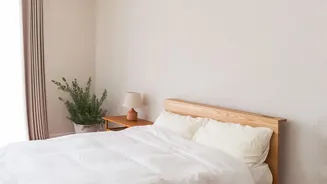
Beyond the physical layout, you can use visual tricks to make the room feel larger. Mirrors are a classic tool for a reason; placing a large mirror opposite a window will double the amount of natural light and create a powerful sense of depth. Opt for furniture with visible legs, such as a mid-century modern dresser or slim-profile nightstands. Seeing the floor beneath the furniture makes the room feel lighter and more open. A cohesive, light colour palette on the walls, bedding, and curtains also helps create a more expansive and airy feel. Lighter colours recede, making the walls feel further away than they actually are.
Declutter With Purposeful Discipline
Finally, reducing visual clutter requires a disciplined approach to what you display. Even with smart furniture, too many small items can make a room feel chaotic. Aim to keep surfaces as clear as possible. Use decorative boxes or baskets to corral smaller items on shelves or a dresser. Group decorative objects together rather than scattering them around the room, which allows for 'negative space' that gives the eye a place to rest. Be ruthless about what you need to have out. A slim console table can provide a designated spot for essentials without adding bulk. By being intentional with your decor, you ensure the focus remains on the calm, open space you’ve created.