




Anatomy of the Perfect Vada Pav
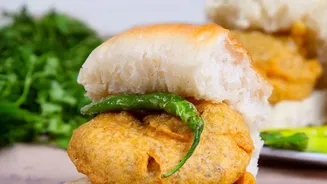
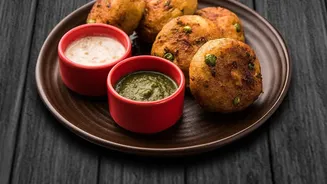
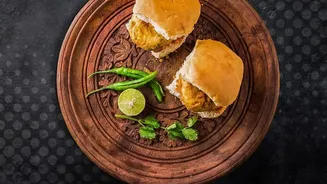
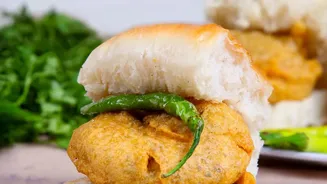
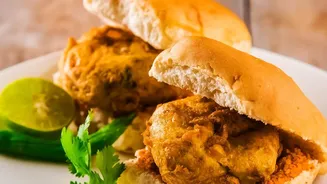
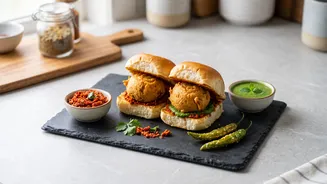
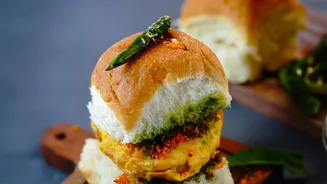
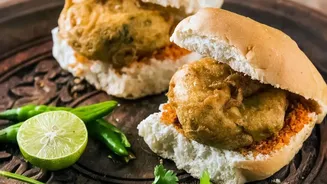
At its heart, the vada pav is a beautiful assembly of simple components. First, the 'batata vada'—a spiced mashed potato patty. This is coated in a gram flour batter and deep-fried until golden. This crispy vada is then tucked inside a soft, fluffy bread
roll known as a 'pav'. The magic is amplified by chutneys: a fiery dry garlic chutney is traditional, but zesty green chutney and sweet tamarind chutney often join the party. A fried green chilli served on the side is the classic, fiery accompaniment.
Mastering the Batata Vada Filling
The soul of the vada is its potato filling. Start by boiling potatoes until they are fork-tender but not mushy or waterlogged; semi-floury potatoes work best and it's even better if you boil them a few hours ahead of time. Once cooled and peeled, mash them coarsely. Heat a little oil and temper it with mustard seeds, curry leaves, and asafoetida (hing). Add a coarse paste of ginger, garlic, and green chillies, and sauté until fragrant before adding turmeric. Mix in the mashed potatoes, salt, and fresh coriander, then turn off the heat. A squeeze of lemon juice at the end brightens up the flavours. Allow this mixture to cool completely before shaping it into balls.
The Secret to a Crispy Batter
The vada's crispy shell is crucial. The batter, made primarily from gram flour (besan), needs to be the right consistency—thick enough to coat the potato ball without being too heavy. To achieve extra crispiness, many cooks add a tablespoon or two of rice flour or cornstarch to the besan. Season the batter with turmeric, chilli powder, and salt. For a light, airy texture, a pinch of baking soda is a common addition. Whisk the batter well, adding water gradually to create a smooth, lump-free mixture that coats the back of a spoon. Letting the batter rest for a few minutes can also improve its texture.
Home Frying Technique Demystified
Deep frying at home can be intimidating, but a few key details ensure success. Use a neutral oil with a high smoke point, like sunflower or groundnut oil. The temperature is critical. The oil must be hot enough, but not smoking. A simple test is to drop a tiny bit of batter into the oil; if it sizzles and rises to the top immediately without browning too quickly, the temperature is perfect. If the oil isn't hot enough, the vada will absorb too much and become greasy. If it's too hot, the outside will burn before the inside is cooked. Gently slide the batter-coated vadas into the oil and fry on a medium flame, turning occasionally until they are an even golden brown. Don't overcrowd the pan, as this can lower the oil temperature. Once fried, drain them on a paper towel.
Delicious Vada Pav Variations
Once you've mastered the classic, the vada pav becomes a canvas for creativity. One of the most popular modern twists is the Schezwan Vada Pav, where a layer of spicy, garlicky Schezwan sauce is spread inside the pav, adding an Indo-Chinese kick. Another favourite is the Cheese Vada Pav. This can be done in a few ways: either by stuffing a cube of mozzarella or processed cheese inside the potato ball before frying, or by simply adding a slice of cheese on top of the hot vada, letting it melt into gooey perfection. For a protein-rich option, a Paneer Vada Pav, where the potato is replaced with a spiced paneer mixture, is another excellent choice.