






The Repo Rate and FD Connection
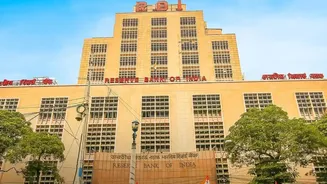
Think of the repo rate as the interest rate at which the RBI lends money to commercial banks. It's one of the central bank's primary tools for managing inflation and steering the economy. When the RBI raises the repo rate, borrowing becomes more expensive
for banks. To offset these higher costs and attract funds directly from the public, banks often raise the interest rates they offer on fixed deposits. In simple terms, a higher repo rate generally translates to higher returns for FD investors, while a lower repo rate tends to lead to lower FD rates. This direct relationship makes repo rate announcements a key indicator for anyone looking to park their money in an FD.
Why The Change Isn't Immediate
While the connection is direct, the transmission of this rate hike to your savings account is not always instantaneous. Several factors create a 'lag'. Firstly, banks' decisions are influenced by the existing liquidity in the banking system. If banks are already flush with cash, they may not feel pressured to raise deposit rates immediately to attract more funds. Secondly, credit demand plays a crucial role. If the demand for loans is high, banks have a greater incentive to raise FD rates to fund this lending. Finally, the competitive landscape matters. Some banks, particularly smaller or private ones needing to attract deposits, might pass on the rate hike faster than larger public-sector banks that already have a substantial deposit base. This entire process can take anywhere from a few days to several weeks.
What It Means for Your FDs
For anyone with an existing fixed deposit, a repo rate hike doesn't change a thing until the deposit matures. The interest rate on your current FD is locked in for its entire tenure. However, the new, higher rates will apply when you go to renew the deposit or open a new one. This is where timing becomes strategic. If you are planning to open a new FD, a rising rate environment is generally favourable. Banks will likely revise their rates for new deposits upwards. It’s often seen that banks adjust rates for short to medium-term FDs more quickly than for long-term ones. This is because they may be hesitant to lock themselves into higher interest payouts for many years if they believe the current high-rate cycle is temporary.
A Strategy for Savers: FD Laddering
So, how can you make the most of a rising rate environment? Instead of locking all your money into a single long-term FD, consider a strategy called 'FD laddering'. This involves splitting your total investment into several smaller FDs with different maturity dates. For instance, instead of putting ₹5 lakh into one five-year FD, you could create a ladder with five FDs of ₹1 lakh each, maturing in one, two, three, four, and five years, respectively. This approach offers two major benefits. First, it provides liquidity, as one of your FDs matures every year, giving you access to cash without incurring penalties for premature withdrawal. Second, it allows you to take advantage of rising rates. As each FD matures, you can reinvest the proceeds into a new long-term deposit at the prevailing, potentially higher, interest rate. This strategy helps you average out your returns and avoids the risk of locking all your funds at a single, potentially lower, rate.
Navigating the New Rate Cycle
In a rising interest rate environment, patience and planning are your best allies. Don't rush into a long-term FD at the first sign of a rate hike. It might be prudent to start with short-term FDs if you anticipate further increases, allowing you to reinvest at even better rates later. Regularly monitor the interest rates offered by different banks and non-banking financial companies (NBFCs), as some will be more aggressive in passing on the benefits to customers. By staying informed and using strategies like laddering, you can ensure your fixed-income investments work harder for you, providing both stability and better returns over time.