






The Allure and the Hidden Risks
A road trip during the rainy season is about more than reaching a place; it's about the journey. The smell of wet earth, the drama of clouds rolling over hills, and impromptu stops for tea make for an unforgettable experience. However, this beauty comes
with inherent risks that are often underestimated. Heavy rains can lead to slippery roads, poor visibility, waterlogging, and, most dangerously, landslides. Every year, regions in the Himalayas and the Western Ghats face significant disruptions, with roads getting blocked or washed away entirely. This turns a dream holiday into a logistical nightmare, or worse, a dangerous situation.
Beyond the Destination's Weather App
It’s a common mistake: you check the forecast for your destination—say, Manali or Munnar—and see 'light showers'. What this forecast doesn't tell you is the condition of the highway leading there. A downpour hundreds of kilometres away could have triggered a landslide, blocking the main artery to your destination for hours or even days. Mountainous regions are particularly vulnerable; intense rainfall saturates the soil on steep slopes, which are often destabilised by construction, leading to debris flows that cover roads. Similarly, in the plains and coastal areas, localised heavy rain can cause severe waterlogging on highways, making them impassable for smaller vehicles and creating huge traffic snarls.
Your Pre-Trip Route Check
Being a smart traveller means shifting some of your focus from the destination to the route. Before you even start packing, do a thorough check of the roads you plan to take. Start with navigation apps like Google Maps or Mappls, which now integrate real-time alerts on road closures, accidents, and other disruptions, often based on user reports and official data. For highway travel, the National Highways Authority of India (NHAI) provides information and has a mobile app, 'Rajmargyatra', where users can report issues. Many state police departments and disaster management authorities also post real-time updates on social media platforms, especially during heavy rainfall. Searching social media travel groups for recent posts about your intended route can also provide invaluable on-the-ground information from fellow travellers.
On-the-Road Awareness and Flexibility
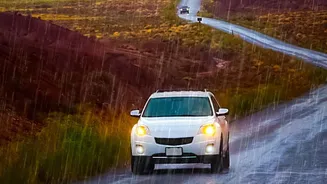
Your vigilance shouldn't end once you're on the road. Monsoon driving demands a cautious and defensive approach. Reduce your speed, as braking distances are longer on wet surfaces, and avoid sudden manoeuvres. Keep your headlights on low beam for better visibility, even during the day. Be extremely wary of waterlogged patches; it’s impossible to gauge the depth or see hidden potholes. If you encounter a roadblock or an active landslide zone, do not try to cross it. Patience is key. It's far better to wait for authorities to clear the road or to turn back and find an alternative route. Always build buffer days into your itinerary to account for such unexpected delays.
Packing for the Journey
Your packing list should also reflect the journey's potential challenges. Beyond waterproof jackets and the right footwear, consider items for the car and potential delays. A powerful and fully charged power bank is non-negotiable. Download offline maps of your entire route in case you lose connectivity. Pack extra snacks and drinking water. A basic first-aid kit, along with any personal medications, is essential. Ensure your car is serviced before the trip, with special attention to tyres, brakes, and wipers. Keeping a waterproof bag or a few zip-lock pouches handy can protect your electronics and important documents from an unexpected downpour.