
1. Should I eat wild or foraged mushrooms?
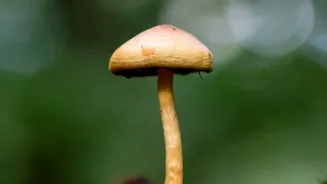
The single most important rule is to avoid eating wild mushrooms you have foraged yourself unless you are an expert. The monsoon spawns countless varieties, and many poisonous mushrooms look dangerously similar to edible ones. Misidentification can lead
to severe food poisoning, with symptoms like abdominal pain, vomiting, and in worst-case scenarios, even death. There are no simple 'tricks' to tell them apart; colour, shape, or smell are not reliable indicators for an amateur. Always buy your mushrooms from a clean, trusted vendor or a reputable grocery store to be safe. Commercially cultivated mushrooms are grown in controlled environments and are the safest choice.
2. How do I pick the best mushrooms at the market?
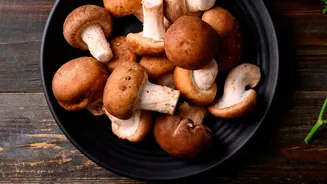
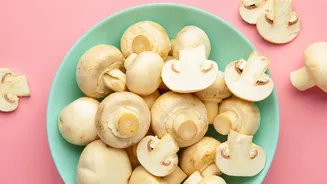
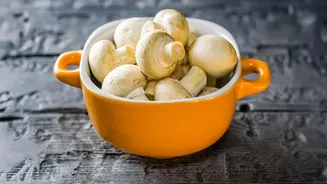
When buying mushrooms, use your senses. Fresh, safe mushrooms should feel firm and look plump and dry. Avoid any that are slimy, sticky, bruised, or have dark, wet spots, as these are signs of spoilage. A slimy surface or an unpleasant, sour smell indicates the mushroom is old and should not be eaten, as cooking won't fix it. If you're buying loose mushrooms, you have a better chance to inspect them from all sides. For button mushrooms, a closed cap generally means a milder flavour, while an open cap with visible gills will taste richer.
3. What's the right way to clean and store them?
Because mushrooms are like sponges, proper cleaning is a balance. Do not wash mushrooms until you are ready to cook, as the excess moisture will make them spoil faster. For mushrooms with a little dirt, simply wiping them with a damp paper towel or using a soft brush is often enough. If they are very dirty, a quick rinse under cold water is okay, but be sure to pat them completely dry with a towel immediately after. To store them, avoid plastic bags at all costs. A paper bag is the best option as it allows them to breathe and prevents moisture buildup. Keep them in the vegetable drawer of your refrigerator, where they can last for up to a week.
4. Are there general rules for avoiding toxic ones?
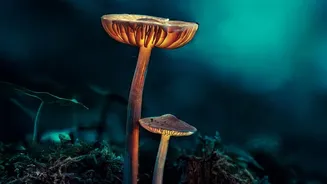
While you should always rely on a trusted source rather than your own identification skills, there are some general warnings from experts. A common guideline for beginners is to avoid wild mushrooms that have white gills, a ring or 'skirt' on the stem, and a bulb-like base. This helps avoid some of the most dangerous varieties, like the deadly Amanita family. However, this is not a foolproof system. Many local beliefs about telling poisonous mushrooms apart—like seeing if they tarnish silver—are myths and should not be trusted. The only truly safe rule is: when in doubt, throw it out. Never taste a mushroom to test its safety.
5. How should I cook mushrooms to ensure they're safe?
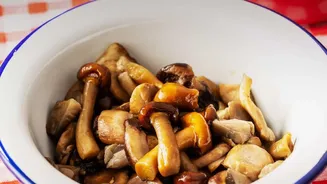
Always cook mushrooms thoroughly. Eating them raw is not recommended, as it can cause digestive issues even with edible varieties, and cooking helps kill harmful bacteria that thrive in the monsoon humidity. One of the best methods is to sauté them on high heat. A key technique is the 'dry sauté': cook the mushrooms in a hot, uncrowded pan without oil first. This allows their excess water to evaporate. Once the pan is dry and the mushrooms start to brown, you can add butter or oil and your seasonings. Overcrowding the pan will cause the mushrooms to steam and become slimy instead of browning.