





A Shift Driven by Wellness
The primary force behind the growing popularity of vegan gelato is a collective move towards healthier eating. More Indians are actively seeking out foods that align with their wellness goals, and dessert is no exception. Many are drawn to vegan gelato for its
perceived health benefits, such as being lower in saturated fat and free of cholesterol compared to traditional dairy-based ice cream. This appeals to a broad audience, not just committed vegans. Furthermore, a significant portion of the Indian population experiences some level of lactose intolerance, making dairy-free desserts a practical and comfortable choice. As awareness around digestive health grows, consumers are looking for lighter options that deliver flavour without the bloating or discomfort associated with dairy.
What Exactly Is Vegan Gelato?
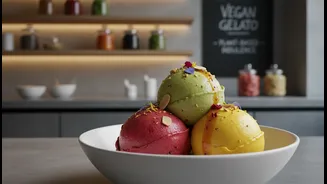
It's important to understand that vegan gelato is more than just a marketing term. Traditional gelato gets its dense, creamy texture from a base of milk and cream. Vegan versions creatively replicate this creaminess using plant-based alternatives like coconut milk, almond milk, cashew milk, or oat milk. These bases are churned in gelato machines to achieve a rich consistency that is often denser and more flavourful than regular ice cream. Many artisanal brands pride themselves on using natural, clean-label ingredients, avoiding artificial preservatives and flavourings. The result is a product that stands on its own, celebrated for its texture and taste rather than simply being a substitute. These gelatos often incorporate nutrients from their plant sources; for example, almond milk provides Vitamin E, while coconut milk contains healthy fats.
The Brands Leading the Charge
A new wave of Indian entrepreneurs and dessert brands is fueling this trend. Companies are no longer just catering to a niche market but are actively shaping mainstream tastes. Brands like Nomou have gained recognition for their gourmet, handcrafted plant-based gelatos, using unique Indian-inspired flavours like Paan and Thandai alongside global favourites. Minus 30, another key player, specializes in handmade vegan and sugar-free gelatos available in hundreds of stores across the country. Other notable brands including Brooklyn Creamery, Papacream, and Zimero are also expanding their dairy-free lines, investing in high-quality ingredients to win over discerning consumers. These brands have become widely accessible through major retail chains like Nature's Basket and quick-commerce platforms, moving vegan desserts from specialty shops into everyday shopping baskets.
A Flavour for Every Palate
One of the biggest successes of the vegan gelato movement has been its refusal to compromise on flavour and variety. Consumers can now find an exciting range of options that go far beyond basic vanilla or chocolate. Brands are innovating with both classic and contemporary profiles. You might find a rich Filter Coffee flavour from Zimero, a Saffron Pistachio from Nomou, or a Green Tea Matcha from Minus 30. This creativity demonstrates that plant-based does not mean restrictive. Taste remains the most critical factor, and manufacturers have focused on perfecting the creamy texture and deep flavours that dessert lovers expect. By offering everything from indulgent Belgian chocolate to refreshing Alphonso mango, these brands are proving that dairy-free gelato can be just as satisfying—if not more so—than its traditional counterpart.
More Than a Trend, A Cultural Shift
The rise of vegan gelato is part of a much larger story about the evolution of food culture in India. Plant-based eating is moving firmly into the mainstream, with market research showing significant growth in the country's vegan food sector. The demand is not just from vegans but also from a growing population of 'flexitarians'—people who are reducing their consumption of animal products for health and environmental reasons. This shift is visible everywhere, from celebrity endorsements to new vegan menus at major hotel chains. As hundreds of thousands of Indians participate in initiatives like Veganuary, it signals a broader cultural change. Plant-based food is no longer seen as a niche or alternative choice; it is becoming a normal part of the modern Indian diet.