



The Science of October Heat
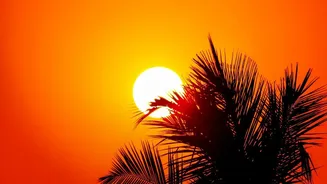
October heat is a well-known phenomenon in Mumbai and other parts of western India. It marks the transitional period after the southwest monsoon withdraws but before the cooler, drier winter weather sets in. During this time, the skies clear up, allowing
for more direct sunlight to hit the ground. Simultaneously, high humidity levels persist due to the city's coastal location and moisture left over from the monsoon. This combination of rising temperatures and high humidity creates a particularly oppressive type of heat, making it feel much hotter than the thermometer might suggest and affecting the body's ability to cool itself down through sweating.
What is an Urban Heat Island?
An Urban Heat Island (UHI) is a metropolitan area that is significantly warmer than its surrounding rural areas. This happens because cities are full of materials like concrete, asphalt, and dark-coloured rooftops that absorb and retain the sun's heat far more than natural landscapes like forests and water bodies. Compounding this is the lack of green cover—trees and parks—which provide shade and cool the air through a process called evapotranspiration. Waste heat from human activities, such as air conditioners and vehicle engines, also contributes significantly to this localised warming. The result is a 'heat island' where temperatures, especially at night, remain several degrees higher than in greener, less developed areas.
Central Mumbai: A Perfect Storm
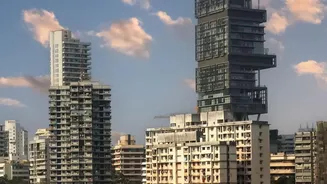
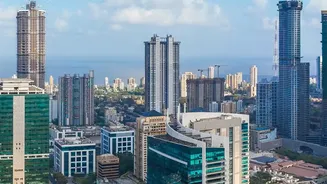
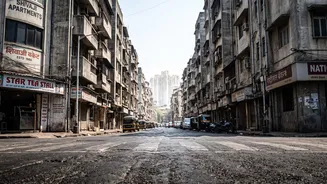
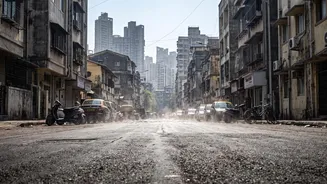
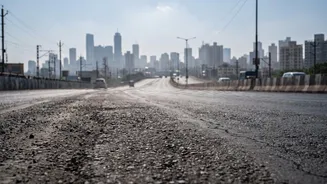
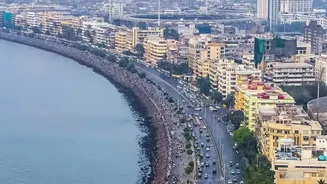
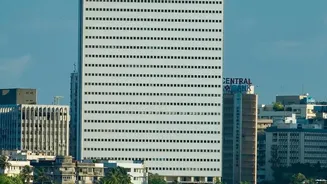
Central Mumbai, encompassing areas from Dadar to Lower Parel, represents a textbook case of an Urban Heat Island. These neighbourhoods are characterised by high-density construction, towering office buildings, and vast stretches of concrete and asphalt. Over the past few decades, rapid urbanisation has led to a significant loss of green cover and open spaces in these very areas. A study highlighted that between 1988 and 2018, Mumbai lost over 40% of its green cover, with a simultaneous 66% increase in built-up area. This transformation from vegetation to concrete means there is little to no natural cooling. The 'urban canyon effect', where tall buildings trap heat and block winds, further prevents the area from cooling down after sunset, leading to warmer nights.
The Tangible Impact on Residents
For the people living and working in Central Mumbai, this amplified heat is more than just a nuisance. It has serious consequences for health, energy consumption, and overall quality of life. The constant heat stress increases the risk of dehydration, heat exhaustion, and heatstroke, particularly for vulnerable populations like the elderly, children, and outdoor workers. It can also worsen pre-existing health conditions like cardiovascular and respiratory illnesses. The relentless heat forces residents to rely more heavily on air conditioning, leading to higher electricity bills and putting a strain on the power grid. Furthermore, the lack of cool, green spaces for recreation impacts mental and physical well-being, as even a simple evening walk can be uncomfortably warm.
Can Mumbai Cool Itself Down?
Addressing the urban heat island effect requires a conscious shift in urban planning and policy. The Mumbai Climate Action Plan (MCAP) already prioritises increasing vegetation cover and permeable surfaces. Solutions include investing in 'green and blue infrastructure'—more parks, urban forests, green roofs, and protecting existing water bodies like lakes and rivers. Promoting the use of 'cool roofs' with reflective materials that absorb less heat is another effective strategy. While large infrastructure projects often lead to the removal of trees, sustainable development practices must find a way to integrate and expand green spaces, not just as a beautification measure, but as a critical tool for climate resilience.