

The Rise of the Un-Living Room
The formal living room, once a pristine space reserved for important guests, is losing its place in the modern Indian home. For decades, families kept a ‘good room’ ready for company, a space that was more for show than for actual living. But our lifestyles
have changed. The rise of hybrid work, the culture of streaming entertainment, and a collective pivot towards comfort have made us question the need for a room that sits empty most of the time. This shift has paved the way for the return of the den—a space defined by its informal, private, and flexible nature. Unlike a living room meant for social gatherings, the den is a retreat for the people who actually live in the house. It's a room designed for daily life, not just for special occasions.
A Direct Response to Post-Pandemic Life
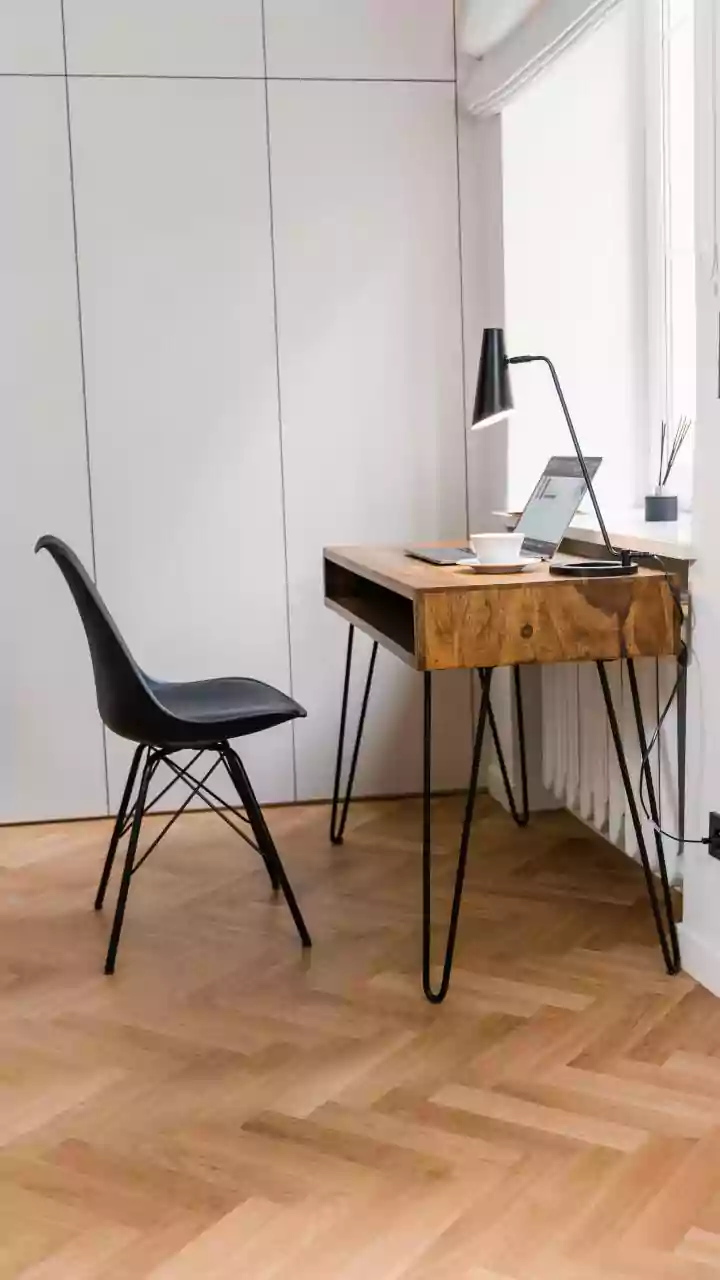
The COVID-19 pandemic fundamentally altered our relationship with our homes, forcing them to become offices, schools, gyms, and cinemas all at once. This intense, multi-functional use highlighted the shortcomings of open-concept layouts and the impracticality of purely formal spaces. As a result, there's a growing demand for 'activity zones' and private, enclosed rooms that offer separation and quiet. The den perfectly answers this call. It provides a dedicated 'flex space' that can serve as a home office during the day, a quiet reading nook in the afternoon, or a media room for family movie nights. This need for adaptable spaces is a lasting legacy of the pandemic, with studies showing that living rooms are evolving into multifunctional hubs and homeowners are prioritizing functionality over outdated formalities.
What Defines the 2026 Den?
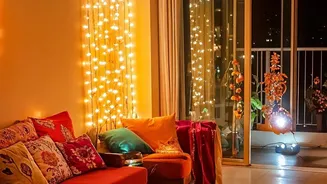
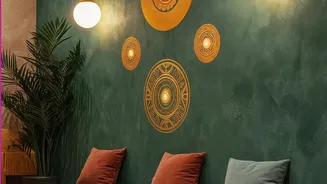
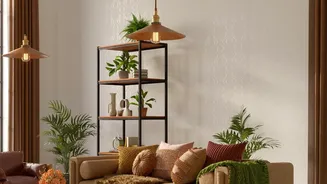
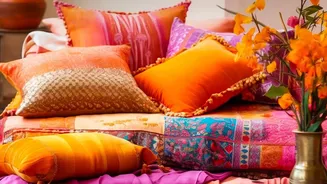
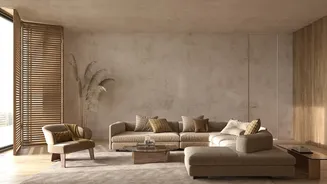
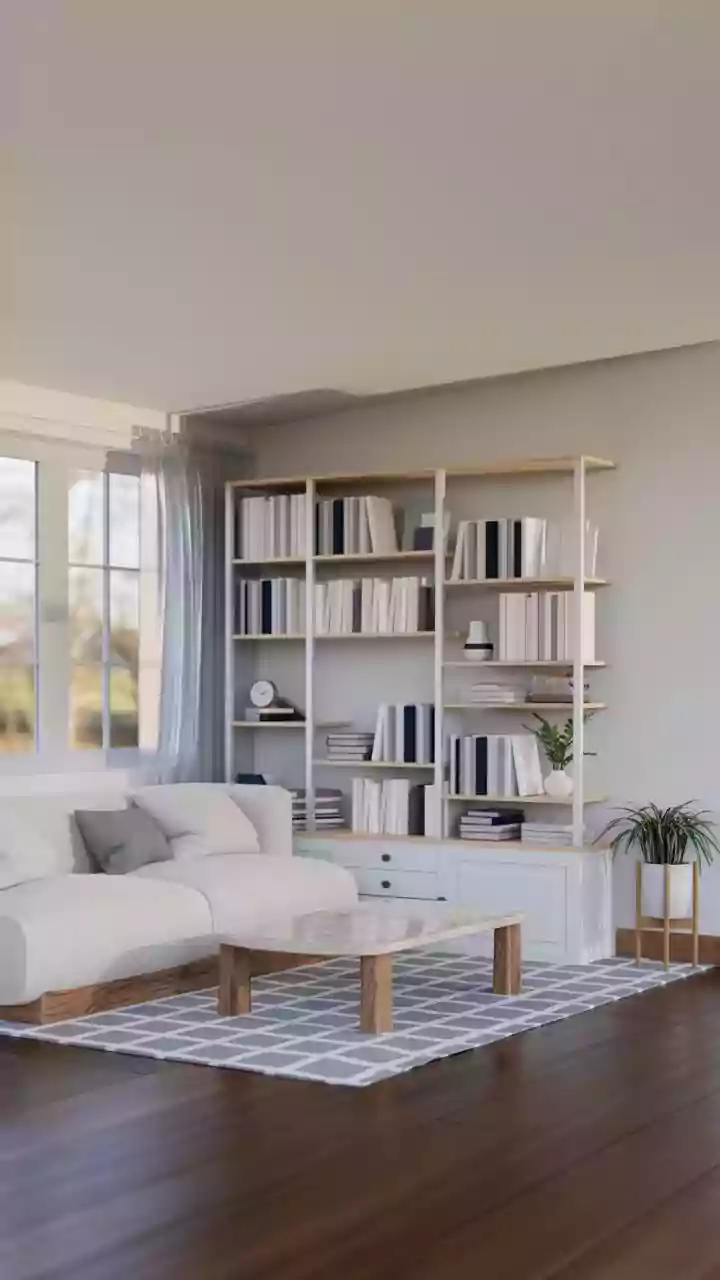
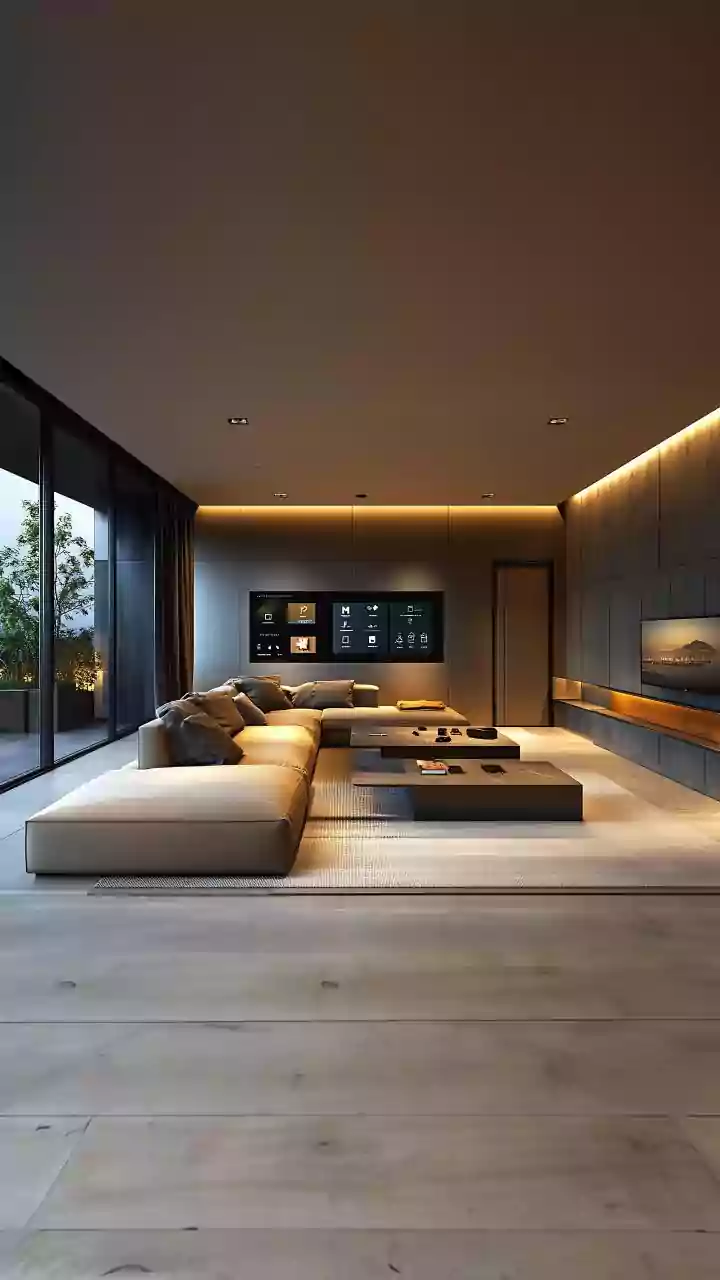
Forget the 1970s stereotype. The den of 2026 is less about masculine 'man caves' and more about personal sanctuaries. The aesthetic leans into warmth, comfort, and character. Instead of cold grays and stark whites, designers are embracing warm neutrals, jewel tones, and rich, earthy colours that make a room feel cozy and inviting. Furniture is also changing, with a move towards soft geometry—curved sofas, rounded tables, and organic shapes that feel welcoming rather than rigid. Texture is key, with layered fabrics like velvet, wool, and boucle. Functionality is paramount, so you’ll often find walls of built-in shelving for books and hobbies, thoughtful lighting for different moods, and seamlessly integrated technology for entertainment. It's a space that reflects the owner's personality and passions, not a generic design trend.
More Than a Room, It's a Mindset
The comeback of the den signifies a deeper cultural shift. We are moving away from 'performative' homes designed to impress others and toward authentic living spaces designed for our own well-being. The focus is on creating environments that support our mental health, hobbies, and the need to disconnect. The den, often a smaller, more enclosed room, provides a sense of psychological comfort and security—a cozy retreat from an always-on world. It’s a space where you can be yourself, whether that means binge-watching a series, getting lost in a book, or working on a personal project. It caters to individual activities and quiet moments, a stark contrast to the open, social nature of a family room or great room. In a world that demands constant interaction, the den offers a much-needed sanctuary for solitude and relaxation.