








Start from the Top: Inspect Your Roof
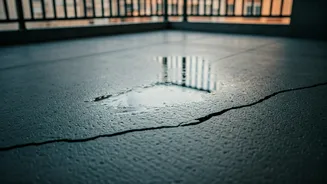
Your roof is the first line of defence against heavy rainfall, so its pre-monsoon check-up is non-negotiable. Before the downpours begin, conduct a thorough visual inspection of your roof or terrace. Look for any visible cracks, broken or missing tiles,
and areas where water might collect. Stagnant water is a clear sign of improper slope or drainage, which can lead to seepage over time. Pay close attention to the joints and parapet walls, as these are common weak points where gaps can form. If you spot any damage, it's crucial to get repairs done immediately. Applying a fresh coat of waterproof sealant can provide an extra layer of protection, forming a seamless barrier against moisture. This simple step can prevent water from seeping into your ceilings and walls, saving you from the dreaded drip.
Secure the Perimeter: Check Exterior Walls
Exterior walls bear the full force of wind and rain, and even hairline cracks can become major entry points for water. Walk around your property and carefully inspect the walls for any cracks, peeling paint, or damp patches. These are tell-tale signs that the wall’s protective layer is compromised. Filling these cracks with a suitable sealant or putty is essential. For a more robust solution, consider applying a high-quality waterproof exterior paint. These paints are designed to be breathable, allowing trapped moisture to escape while preventing rainwater from getting in. Addressing wall issues not only prevents interior dampness and mould but also protects the structural integrity of your home.
Ensure Clear Passage: Drains and Gutters
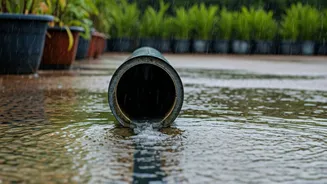
Blocked drains and gutters are one of the leading causes of waterlogging and flooding around the house. During the dry months, leaves, dust, and other debris accumulate in these channels, creating blockages. When the heavy rains arrive, this prevents water from flowing away from your home, causing it to pool against walls and foundations or even back up into your living spaces. Before the first major shower, make it a priority to thoroughly clean all drains, including those on your balcony, terrace, and around the property. A simple cleaning can ensure that water has a clear and unobstructed path away from your home, preventing a host of potential problems.
Seal the Gaps: Windows and Doors
Wind-driven rain can easily find its way inside through small gaps around window and door frames. These seemingly minor openings can lead to significant water damage, ruining floors, walls, and furniture. Inspect all your window and door frames for cracks or gaps between the frame and the wall. Use a waterproof sealant to fill any openings you find, creating a watertight seal. For sliding windows, ensure the drainage channels are clear of debris so that water can drain out rather than pooling and overflowing inside. Taking the time to properly seal these entry points is a crucial step in keeping your home dry and comfortable.
Mind the Interiors: Furniture and Humidity
The monsoon's impact isn't limited to leaks; the high humidity can damage your interiors as well. Wooden furniture is particularly vulnerable, as it can swell and warp in damp conditions. Try to keep wooden items a few inches away from walls to improve air circulation and prevent moisture absorption. In closets and storage areas, the damp air can lead to a musty smell and promote mould on clothes and other items. Placing moisture absorbers like silica gel packs, neem leaves, or even camphor can help combat this. It is also a good idea to roll up and store expensive rugs and carpets, as they can attract mould in the humid environment.
Prioritise Safety: Check Electrical Systems
Water and electricity are a dangerous combination, making electrical safety a top priority during the monsoon. Before the rains, have a licensed electrician inspect your home’s wiring. Look for any exposed wires or faulty switches and get them repaired immediately. Ensure that all outdoor electrical fittings, such as those for gate lights or pumps, are properly waterproofed and sealed. It is also wise to have a circuit breaker installed and to check that your home's earthing is functioning correctly. These precautions are vital to prevent short circuits and ensure the safety of your family during the rainy season.