







The View From Above
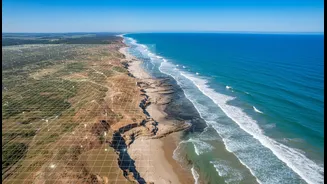
For decades, scientists and managers have turned to satellite remote sensing to monitor the health of our planet. From space, we can track coastal erosion, map the extent of floodwaters, monitor sea-surface temperatures, and observe changes in vital ecosystems
like wetlands and coral reefs. This technology provides a synoptic, large-scale view that is impossible to achieve with on-the-ground methods alone. It offers crucial data for understanding how, where, and how quickly our coastlines are changing, forming a critical baseline for climate adaptation strategies. This bird's-eye view gives us the 'what' and 'where' of climate impacts, but it often misses the deeper context.
The Wisdom on the Ground
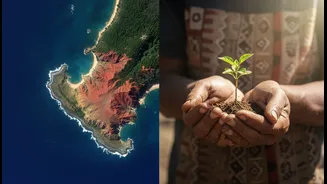
Long before the first satellite was launched, Indigenous peoples were the original stewards and scientists of their lands and waters. Traditional Ecological Knowledge (TEK) represents a cumulative body of observations, practices, and beliefs handed down through generations. This 'lived knowledge' offers an incredibly detailed, long-term understanding of local ecosystems. It includes nuanced insights into tidal patterns, the behavior of specific animal species, historical changes in the landscape, and the interconnectedness of the environment that satellite data can't capture. Indigenous communities hold time-tested knowledge that makes them resilient, and this wisdom is increasingly recognized as vital for effective climate adaptation.
A Powerful Combination
When these two worldviews—the satellite's macro lens and the community's micro-knowledge—are brought together, the results can be transformative. In one project in the Canadian Arctic, combining AI analysis of satellite data with Inuit knowledge helped identify new, sustainable locations for fishing as climate change altered marine habitats. Similarly, projects in California are exploring how satellite data on wildfire risk and drought can be paired with tribal land management practices to create more effective conservation plans. This integration allows for a more holistic and accurate picture, grounding broad scientific data in local reality and creating climate solutions that are both technologically informed and culturally relevant.
The Critical Issue of Ownership
This collaboration, however, comes with significant ethical challenges. For too long, outside researchers have extracted knowledge from Indigenous communities without proper consent, context, or compensation. This has led to a strong push for Indigenous Data Sovereignty—the right of Indigenous peoples to control data that is from them or about them, regardless of where it is held. This includes ownership, control, access, and possession of their cultural information and traditional knowledge. Without these protections, there's a risk of sacred knowledge being misused, misinterpreted, or published without permission. The open-data movement, while well-intentioned, can add pressure on communities to share knowledge without recognizing them as rights holders with the authority to govern their own data.
Building an Ethical Framework
The path forward requires a fundamental shift from extractive research to equitable partnership. True collaboration means co-developing projects from the very beginning, ensuring Indigenous priorities are central to the process. It involves establishing clear, culturally appropriate protocols for how knowledge is shared, used, and protected. This isn't just about consulting communities; it's about recognizing Indigenous peoples as leaders and rights holders in the fight against a climate crisis they did little to create. Several organizations are now developing guidelines based on principles like 'Free, Prior, and Informed Consent' to ensure these partnerships are built on a foundation of mutual respect and trust.