

From Home Kitchens to Festival Tables
For years, dining out in India often meant choosing between a familiar rotation of Paneer Butter Masala, Dal Makhani, or the regional equivalent of a celebratory dish. But a delicious shift is underway. Across the country, a new wave of food festivals
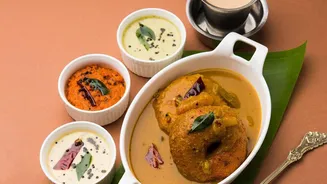
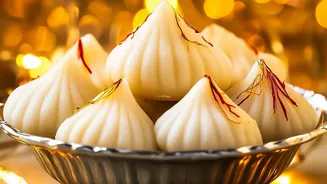
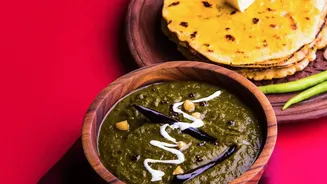
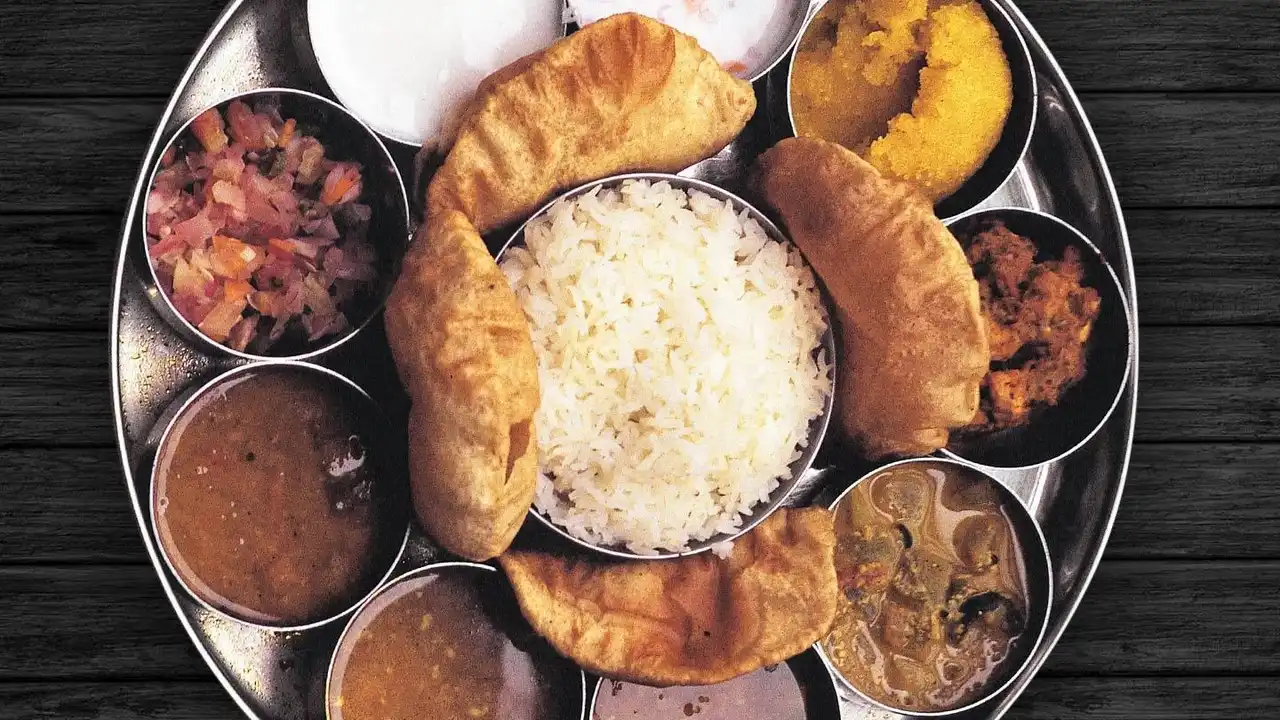
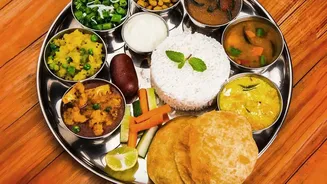
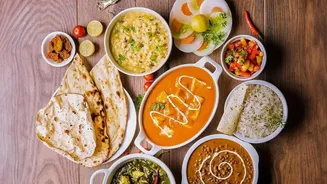
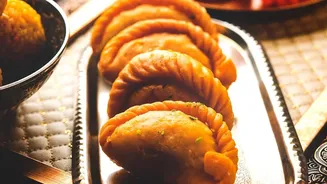
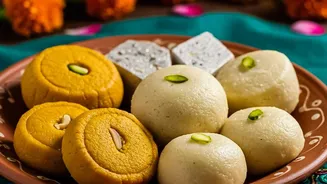
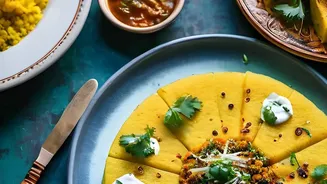
is moving beyond the predictable, instead choosing to spotlight the rich, diverse, and often undocumented culinary heritage found within home kitchens. These events are platforms for hyper-regional and community-specific cuisines that rarely, if ever, feature on commercial menus. Festivals dedicated to the 'lost recipes' of undivided India or the specific culinary traditions of communities like the Kodavas of Coorg are gaining popularity. They offer diners a chance to taste dishes passed down orally through generations, providing a sensory bridge to the past. This isn't just about nostalgia; it's an active process of cultural preservation, bringing to light the vastness of India's culinary map, one plate at a time.
The Rise of the Home Chef
The stars of this movement are not celebrity chefs in towering hats, but mothers, grandmothers, and passionate home cooks who are the custodians of this culinary heritage. For generations, their expertise was confined to family gatherings and festive occasions. Now, prestigious hotels and event organizers are inviting these home chefs to helm festival kitchens, recognizing that their intuitive, hands-on knowledge is something that cannot be replicated in a professional culinary school. These cooks bring with them not just recipes, but stories and time-honoured techniques. For them, it is a chance to share a piece of their family history and gain recognition for their lifelong dedication to food. For diners, it is an opportunity to experience authentic, lovingly prepared food that tells a story of a specific place and people.
A Quest for Authenticity and Connection
What is driving this hunger for heirloom food? For a generation of increasingly well-travelled and globally exposed Indians, there's a growing desire to connect with their own roots. Food has become a powerful vehicle for this exploration of identity. In a world of fast food and globalized menus, these generational recipes offer a taste of something real and rooted in tradition. Experts note that diners are no longer just seeking good taste; they are looking for stories, heritage, and a connection to the culture behind the dish. This trend reflects a broader post-pandemic cultural shift towards prizing the local, the seasonal, and the culturally significant. A dish like a Bengali 'Narkeler Bati Chorchori' or a Pahadi 'Bhunnu Murg' at a festival is more than a meal; it’s an experience that connects diners to a specific region and its history.
From Pop-Up Sensation to Permanent Fixture
While these festivals create a temporary buzz, their impact is proving to be lasting. The enthusiastic response from diners is encouraging restaurants and hotel chains to integrate these lesser-known dishes into their permanent menus. A successful pop-up featuring the cuisine of a particular region can act as a market test, proving the commercial viability of dishes once considered too niche for a mainstream audience. Restaurants like Loya in New Delhi have built their identity around showcasing the rich culinary heritage of North India, moving beyond the usual suspects to feature dishes with unique regional ingredients and techniques. This integration marks a significant evolution in India’s dining culture. The line between the home kitchen and the professional restaurant is blurring, creating a more diverse, authentic, and exciting culinary landscape for everyone.