
1. Frame Your Shot for Presence
Before you even say a word, your video setup speaks volumes. Don’t just point your webcam at your face; frame yourself intentionally. Position the camera at eye level to simulate direct eye contact with the interviewer. This avoids the awkward angles
that make you look down on them or up at them. Ensure you are centered, with a small amount of space above your head. This isn't just about looking good; it's a non-verbal cue that you are present, engaged, and in control of your environment. A well-framed shot shows you’ve prepared and respect the interaction, instantly boosting your perceived professionalism.
2. Use Your Background to Tell a Story
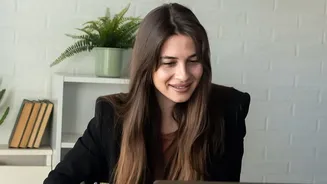
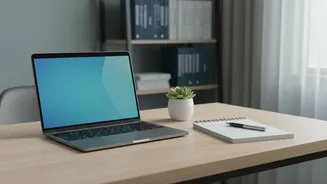
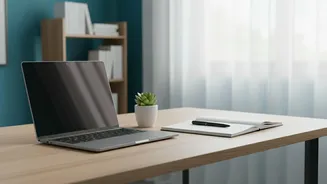
Your background is not just a backdrop; it's part of your professional introduction. While virtual backgrounds can be tempting, a clean, tidy, and neutral real-world background is often better as it feels more authentic. Remove any clutter or distracting posters. A minimalist bookshelf, a subtle plant, or a neat workspace can communicate organization and professionalism. This simple act of curating your space shows foresight and an understanding that in a virtual setting, every visible element contributes to the impression you make. It subtly signals that you are meticulous and aware of your professional image.
3. The Eye Contact Illusion
In a video call, looking at the interviewer's eyes on your screen means you aren't making eye contact with them. The real hack is to look directly into the camera lens when you are speaking. This creates the illusion of direct eye contact for the person on the other side, making your delivery feel more personal, engaging, and confident. It can feel unnatural at first, so practice is key. When you are listening, it's okay to look at their image on the screen, but when it's your turn to talk, address the camera. This technique is one of the most powerful ways to build rapport and project trustworthiness through a screen.
4. Signal Tech Readiness Verbally
Instead of just hoping your tech works, demonstrate your readiness. Before the interview officially kicks off, you can say something like, "Just confirming you can see and hear me clearly? My connection is stable and I've closed all other applications to ensure a smooth conversation." This does two things: it proactively addresses potential technical issues and, more importantly, frames you as a prepared, tech-savvy professional. In a world of remote work, showing you can manage your own digital environment is a valuable soft skill in itself, proving you are adaptable and reliable.
5. Master the Art of the Lean-In
Your posture on camera is a critical indicator of your engagement level. Slouching or leaning back can be perceived as disinterest or arrogance. The hack is to sit up straight and lean slightly forward, toward the camera, especially when the interviewer is speaking or when you are making a crucial point. This simple physical adjustment signals that you are actively listening, interested, and engaged in the conversation. It's the virtual equivalent of leaning across a table in a physical meeting to show you're paying close attention. Use it strategically to emphasize your enthusiasm for the role.
6. Use Gestures Within the Frame
Many people either freeze up on camera or use gestures that are too big and disappear off-screen. The key is to keep your hand gestures controlled and within the visible frame. When you uncross your arms, you appear more open and receptive. Using your hands to enumerate points or to emphasize a concept can make you appear more dynamic and passionate. Just be sure the movements are calm and deliberate, not frantic. This shows you are comfortable and can communicate effectively in a constrained virtual space, another subtle indicator of adaptability.
7. Embrace the Power of the Nod
In a virtual setting, the other person lacks many of the non-verbal cues they'd get in person. Active listening becomes a more deliberate performance. As the interviewer speaks, provide consistent but natural feedback by nodding and smiling. This shows you are following along and are engaged with what they're saying. Without these signals, your neutral listening face can be misinterpreted as boredom or confusion. A simple nod is a powerful tool to keep the conversation warm and interactive, confirming that you are not just hearing, but actively processing their words.