








The Silent Crisis of Hidden Hunger
Hidden hunger is not the kind of starvation that makes headlines. It is a more insidious problem: a chronic lack of essential micronutrients like iron, zinc, and vitamin A. A person can consume enough calories from staple foods like rice and wheat and still
be malnourished. This deficiency is a silent epidemic in India, with staggering consequences. Globally, over two billion people are affected, and a significant portion live in India. According to UNICEF, over 80% of Indian adolescents suffer from hidden hunger, which can lead to stunted growth, weakened immune systems, and impaired cognitive development. Women and children are disproportionately affected; NFHS-5 data shows that 57% of women and 67% of young children are anemic, a condition often linked to iron deficiency.
The Scientific Fix: Single-Crop Solutions
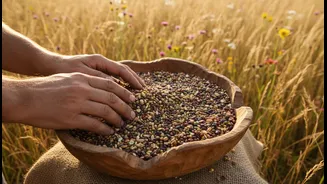
One major strategy to combat this crisis is biofortification. This scientific approach involves breeding nutrients directly into staple crops that people already consume in large quantities. Think of it as a nutritional upgrade for everyday food. Scientists at the Indian Council of Agricultural Research (ICAR) have developed varieties like iron and zinc-rich wheat, protein-rich rice, and vitamin A-rich maize. The logic is straightforward and powerful: since it's difficult to change dietary habits overnight, why not make the existing diet more nutritious? This approach is cost-effective and sustainable, as biofortified seeds can be distributed through existing channels and farmers can save seeds for future planting. It’s a targeted intervention designed to reach millions through the public distribution system and local markets.
The Diversity Doctrine: A Plate Full of Solutions
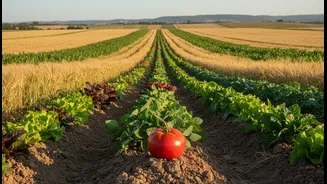
The alternative approach argues that the root of the problem is our over-reliance on a few staple crops. Proponents of crop diversification advocate for a shift away from the monoculture of rice and wheat towards a wider variety of foods. This includes bringing back traditional and climate-resilient crops like millets, pulses, and local vegetables. A diverse farm leads to a diverse plate, which is the most natural way to get a wide range of nutrients. Organizations like the M.S. Swaminathan Research Foundation champion this 'Farming System for Nutrition' model, which integrates crop diversification, nutrition gardens, and animal husbandry at the community level. This approach not only improves nutrition but also enhances biodiversity, improves soil health, and makes farmers more resilient to climate change and market price fluctuations.
At the District Level: Where Policy Meets Reality
Ultimately, the success of either strategy depends on implementation at the district and village level. This is where national policies are translated into action. District health and agriculture departments, along with Krishi Vigyan Kendras (KVKs), play a crucial role. For biofortification to work, districts need to ensure a steady supply of quality seeds and create awareness among farmers and consumers about their benefits. For crop diversification, the challenge is often greater. It requires building new value chains for crops like millets, providing farmers with market linkages, and promoting nutrition education through community health workers and Anganwadis to encourage dietary changes. Success often depends on strong local leadership and the active participation of community groups, especially women's self-help groups.