



The Modern Burnout Epidemic
In India's bustling urban centres, the pressure to perform has never been higher. Long work hours, constant connectivity, and the 'always-on' culture are taking a significant toll on mental and physical well-being. This isn't just about feeling tired;
it’s a state of chronic stress that can lead to anxiety, poor sleep, and a feeling of being perpetually drained. Studies have consistently shown that urban environments, with their constant stimulation, can negatively impact mental health. The traditional vacation, often a whirlwind of sightseeing and activity, can sometimes leave you needing another holiday just to recover. What is truly needed is not just a change of scenery, but a change of pace—a chance to disconnect from the strain and reconnect with oneself.
Nature’s Potent Prescription
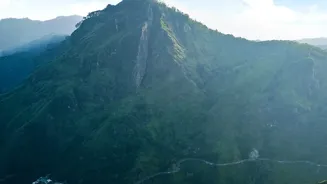
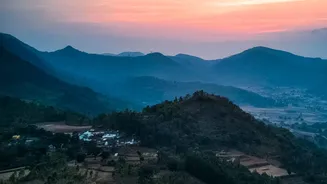
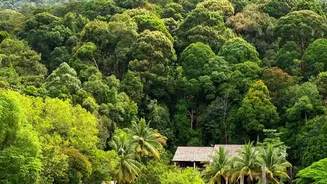
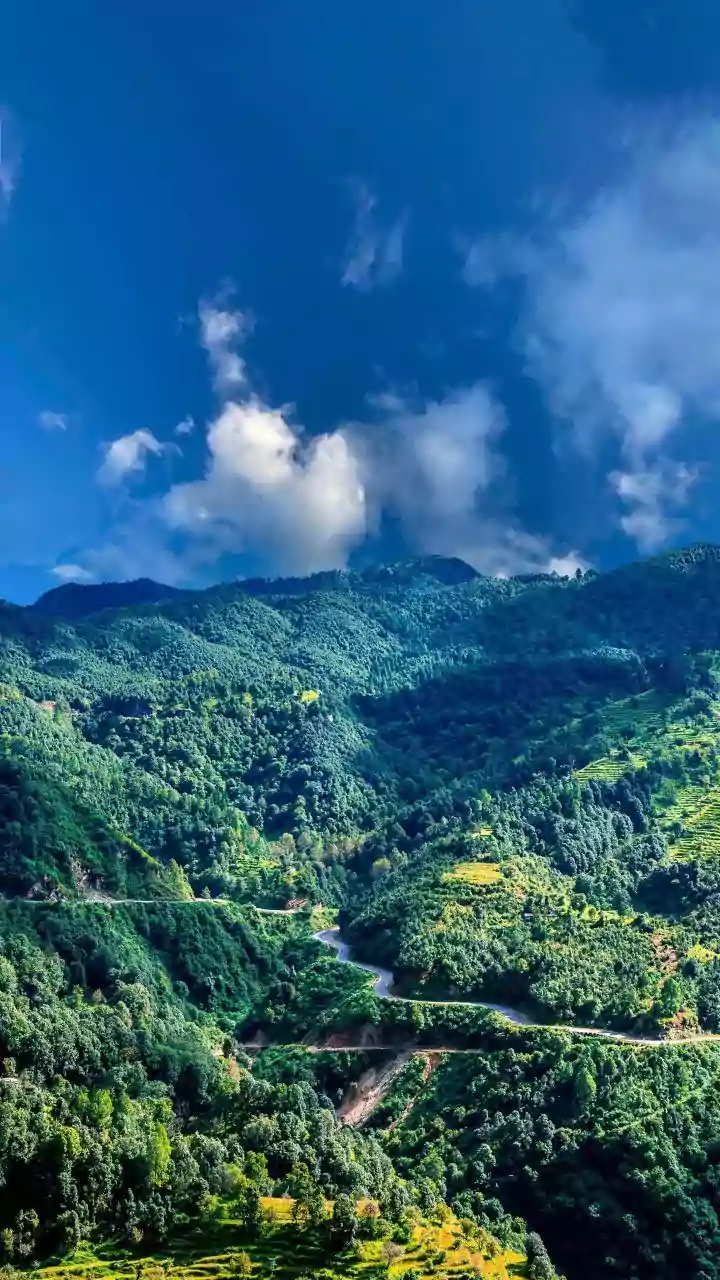
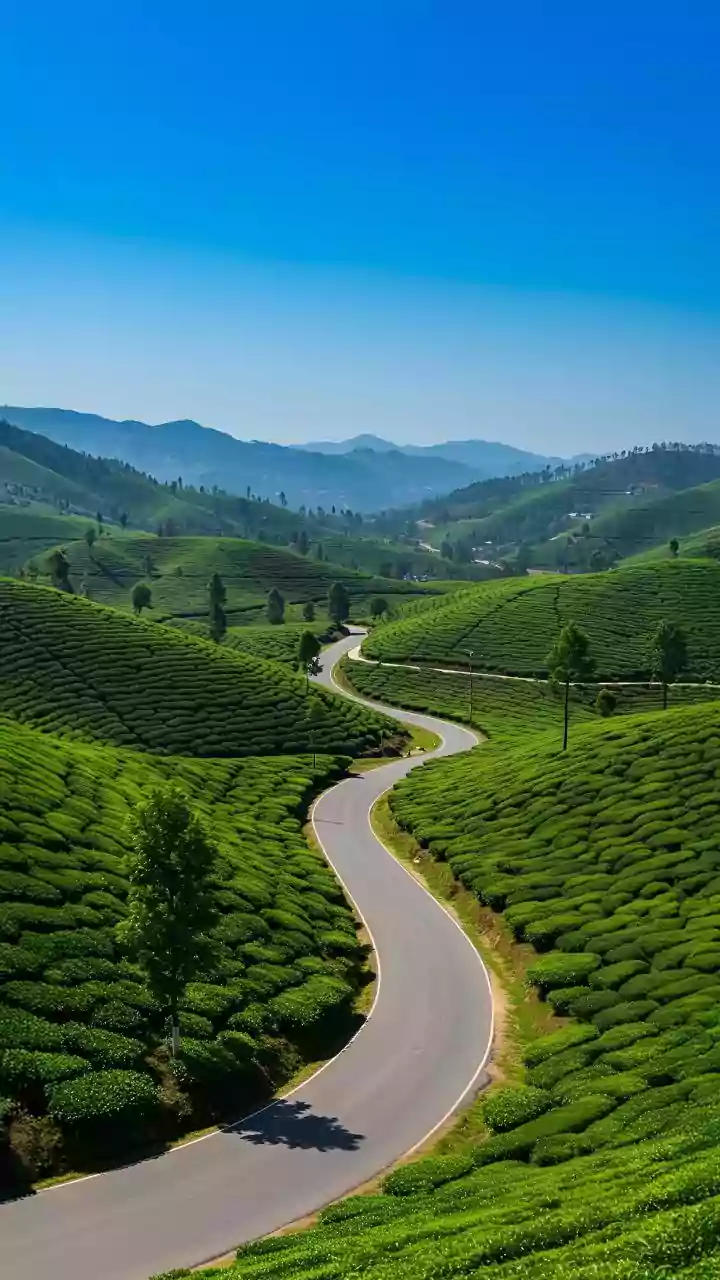
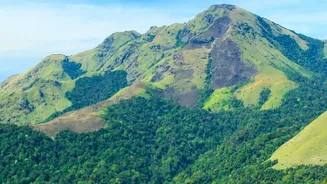
This is where the Western Ghats, a UNESCO World Heritage Site and one of the world's most biodiverse regions, step in. Spanning across states like Kerala, Karnataka, and Tamil Nadu, this mountain range is a treasure trove of dense forests, spice plantations, and mist-laden hills. Science confirms what we intuitively feel: spending time in nature is profoundly healing. Practices like 'forest bathing' (Shinrin-yoku) have been shown to lower cortisol levels, reduce blood pressure, and boost mood. Even a short 20-minute immersion in a natural environment can significantly decrease stress hormones, offering a powerful antidote to the pressures of city life. The clean, crisp air and tranquil sounds of the Ghats provide the perfect setting for this natural therapy.
Beyond the Hotel: What is an Eco-Stay?
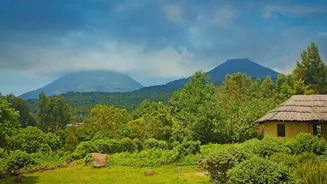
An offbeat eco-stay is fundamentally different from a conventional hotel. It is built on principles of sustainability, minimal environmental impact, and deep integration with the local landscape and community. Think properties constructed from local, natural materials like rammed earth and reclaimed wood, powered by solar energy, and practicing rainwater harvesting. Many of these stays are small-scale, ensuring a peaceful and intimate experience far from the crowds. The 'offbeat' nature means they are often nestled in remote corners—amidst a coffee plantation in Coorg, within a spice garden in Thekkady, or overlooking a quiet valley in Wayanad—offering true seclusion. The focus is not on manufactured luxury, but on the authentic luxury of peace, quiet, and a harmonious existence with nature.
Trading Itineraries for Mindful Moments
The true magic of these retreats lies in their unhurried rhythm. Here, the goal is not to tick off a list of attractions, but to simply 'be'. Days are governed by natural cycles, not by the clock. You might wake to the sound of a Malabar Whistling Thrush instead of an alarm. Activities are designed to foster a connection with your surroundings. Think guided nature walks with local naturalists, bird-watching expeditions, hands-on sessions in an organic farm, or simply finding a quiet spot to read a book with a cup of locally grown tea. Many stays also offer wellness practices like yoga and meditation in serene outdoor settings, further enhancing mental clarity and reducing anxiety. This deliberate 'slowing down' allows your mind to reset, fostering a sense of mindfulness that is hard to achieve in daily life.
A Taste of Place and Purpose
These eco-stays are deeply rooted in their location, offering an immersive cultural experience. Food is often a highlight, with meals prepared from fresh, organic produce grown on-site or sourced from nearby villages. This not only provides a delicious and healthy culinary experience but also supports the local agricultural economy. By employing staff from local communities and promoting local crafts, these establishments ensure that tourism benefits the people who call the region home. Staying here is a conscious choice—a form of travel that is restorative for you and respectful to the environment and the local culture. It’s a vacation that contributes to the preservation of the very beauty you have come to experience.