






Start with Cleanliness
The foundation of all food safety is cleanliness. Harmful germs can spread throughout the kitchen and get onto hands, cutting boards, utensils, and countertops. The first small step is to wash your hands thoroughly with soap and water for at least 20
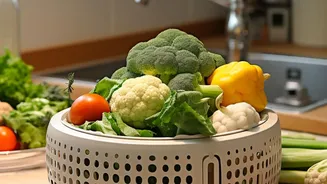
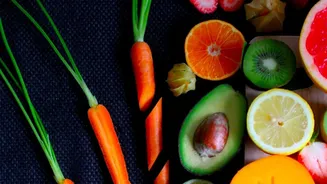
seconds before, during, and after handling food. This is especially critical after touching raw meat, poultry, seafood, or eggs. Surfaces and utensils should be washed with hot, soapy water after each use. For produce, a simple rinse under running water is sufficient to remove dirt and reduce surface microbes. In India, where fresh produce is central to our diets, this simple habit is your first line of defence.
Separate to Avoid Contamination
One of the most common food safety mistakes is cross-contamination, where germs from raw foods spread to cooked or ready-to-eat foods. The most effective way to prevent this is to keep them separate. Use different cutting boards—one for raw meat, poultry, and seafood, and another for fruits, vegetables, and other ready-to-eat items. When storing food in the refrigerator, always place raw meat and fish in sealed containers on the bottom shelf. This prevents their juices, which can carry bacteria, from dripping onto other foods. This simple organisational trick is a powerful safety measure.
Cook to the Right Temperature
Colour is not a reliable indicator of doneness. The only way to ensure that food is cooked safely is to use a food thermometer. Cooking food to the correct internal temperature is crucial for killing harmful bacteria like Salmonella and E. coli. For example, poultry (chicken and turkey) should reach an internal temperature of 74°C (165°F). Ground meats should be cooked to at least 71°C (160°F), while steaks, chops, and fish are generally safe at 63°C (145°F). Leftovers should be reheated to 74°C (165°F) to ensure they are safe to eat again.
Chill and Store Promptly
Proper storage is just as important as proper cooking. Bacteria can multiply rapidly in the 'danger zone' between 4°C and 60°C. To keep food out of this zone, you must refrigerate perishable foods and leftovers within two hours of cooking or purchasing. Your refrigerator should be set to 4°C (40°F) or below to effectively slow bacterial growth. Store cooked leftovers in airtight, shallow containers to help them cool faster. Most cooked foods will last safely in the fridge for 3-4 days. When in doubt about how long something has been stored, the safest choice is to throw it out.
Smart Sourcing and Handling
Food safety begins before you even start cooking. When shopping, always check the 'best before' or 'expiry' dates on packaged goods. For spices, a staple in Indian kitchens, avoid storing them near the stove. The heat can cause them to spoil faster; a cool, dark cupboard is a much better home. When handling milk, especially raw milk, it should be boiled immediately upon receipt and then cooled quickly before refrigeration to prevent it from turning sour, a common issue in warmer climates. These small checks and habits ensure that the ingredients entering your kitchen are safe from the very beginning.