




Why Sunlight Is the Secret Ingredient
Getting sunlight right is one of the most crucial steps for a thriving garden. Plants convert sunlight into energy through photosynthesis, but not all plants have the same needs. Some, like most vegetables and vibrant flowers like marigolds, require at
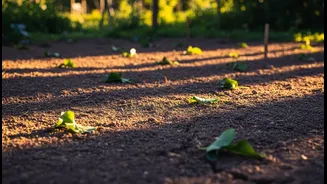
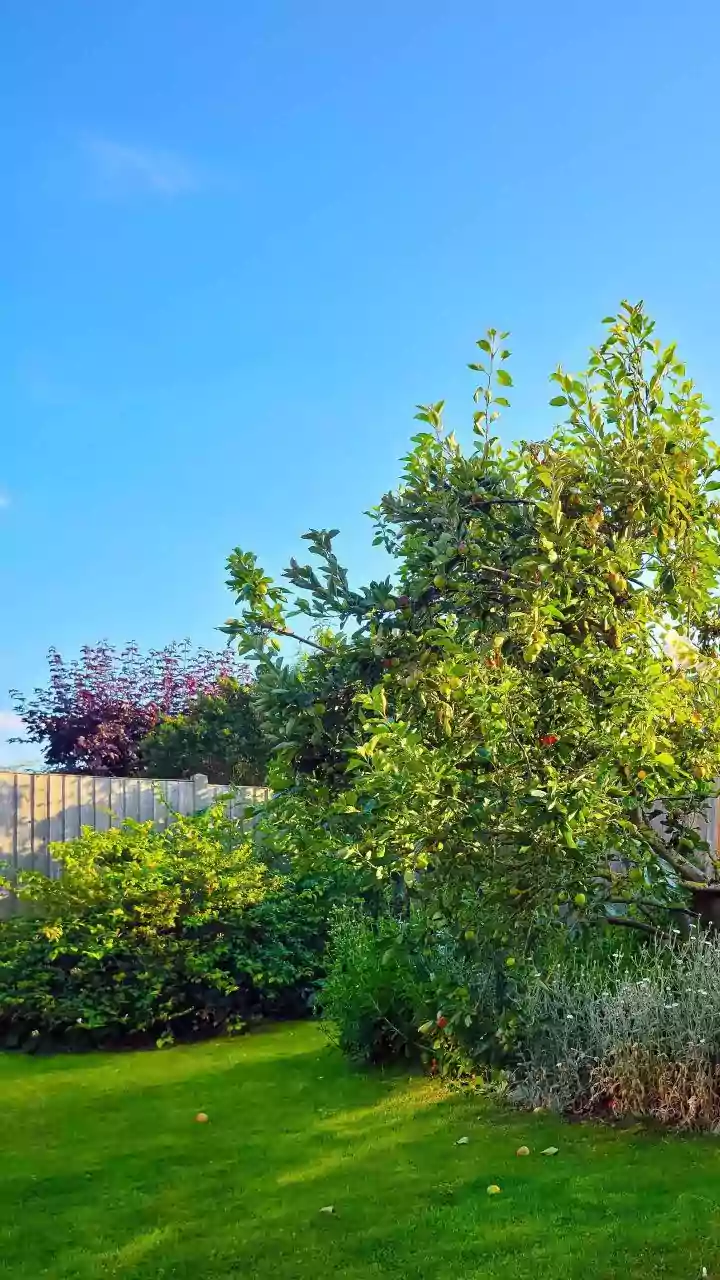
least six hours of direct sun to flourish. Others, such as hostas and ferns, prefer the cool relief of shade and can get scorched by intense afternoon rays. A common and costly mistake is assuming all parts of a yard get the same light. A south-facing garden generally receives the most sun, while a north-facing one gets the least. But this can be misleading. Trees, fences, and even your house cast moving shadows that dramatically alter the growing conditions throughout the day and across seasons. Ignoring these unique light patterns is often why a sun-loving tomato plant fails to fruit or a shade-loving flower wilts.
What Is Sunlight Mapping?
Sunlight mapping is a simple but powerful technique for observing and recording how sunlight and shadows move across your garden. Think of it as creating a personalized blueprint of your yard's light conditions. This process helps you identify zones of full sun (6+ hours of direct light), partial sun or shade (3-6 hours), and full shade (less than 3 hours). By understanding these microclimates, you can stop guessing and start making informed decisions about plant placement. It’s a foundational practice in permaculture design that empowers you to work with your garden's natural environment, rather than against it. The result is healthier plants, better yields, and less money wasted on replacements.
How to Create a Sun Map: The Low-Tech Method
You don’t need any fancy gadgets to create a useful sun map. The most effective method just requires a bit of observation, paper, and a pencil. Start by sketching a rough layout of your property, including your house, large trees, fences, and any other structures that might cast a shadow. On a sunny day, visit your garden at key intervals—for instance, at 9 a.m., 12 p.m., and 4 p.m. At each interval, sketch the shadow patterns onto your map. You can use different colored pencils or shading to denote the time of day. Taking photos from the same spot at each interval can also provide a helpful visual record. After observing for a day, you can create a final, combined map that color-codes your garden into zones of full sun, partial sun, and shade. For the most accurate picture, it's ideal to repeat this process during different seasons, as the sun's angle changes significantly between winter and summer.
Using Technology for a Quicker Read
If you're short on time or prefer a more modern approach, several digital tools can help. Various smartphone apps are designed specifically for sun mapping. These apps use your phone's GPS and compass to track the sun's path and calculate the amount of sunlight any given spot in your yard receives throughout the year. Some allow you to use your camera to get an augmented reality view of the sun’s trajectory. While these tools can offer a quick and convenient analysis, the hands-on observation method often provides a more nuanced understanding of your specific space. Regardless of the method, the goal remains the same: to gain a clear picture of your garden's light conditions before you plant.
Putting Your Sun Map to Work
With your completed sun map in hand, you are now ready to make smart planting choices. That blazing hot spot that gets eight hours of direct sun is perfect for heat-loving vegetables like tomatoes, peppers, and eggplants, or flowers like zinnias and coneflowers. The area that gets gentle morning sun but is shaded from the harsh afternoon heat is ideal for partial-shade lovers like hydrangeas, astilbe, and coral bells. And that corner that stays in the shade of a large tree or your house is where ferns, hostas, and bleeding hearts will thrive. By matching plants to their preferred light conditions, you not only ensure their survival but also help them grow to their full potential, producing more flowers and a more abundant harvest.