
The End of Last-Minute Panic
The biggest challenge of hosting is timing. Juggling dishes that need to be served piping hot from the oven or perfectly chilled from the fridge creates a stressful bottleneck right when your guests are walking in. A room-temperature dish is your secret
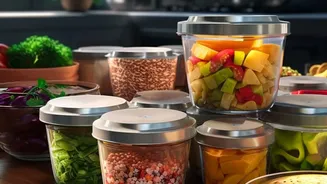
weapon against this chaos. It can be fully prepared hours before the party even begins, freeing up precious hob and oven space for those items that absolutely must be cooked last minute. Instead of sweating over a hot stove, you can be present with your friends and family, actually enjoying the gathering you worked so hard to plan. This make-ahead magic means less frantic energy in the kitchen and more relaxed, happy energy for the host.
A Buffet That Breathes
Unlike dishes that demand constant temperature control—like a curry that must stay hot or a dip that must stay cold—room-temperature offerings are wonderfully forgiving. They are perfect for a buffet-style setup where guests graze over a couple of hours. There’s no need for bulky chafing dishes or a sea of ice bowls that require constant refreshing. This not only makes for a cleaner, more elegant presentation but also gives your guests the flexibility to eat at their own pace without you worrying that a dish has become unappetizing. From hearty grain salads to flavourful mezze platters, these dishes are designed to be delicious just as they are, maintaining their texture and taste throughout the event.
Flavour That Actually Improves
Many dishes don’t just tolerate being at room temperature; they thrive in it. When a dish sits for a while after being prepared, the flavours have a chance to meld and deepen in a way they can't when served immediately hot or cold. Think of a zesty chana chaat, a robust pasta salad, or a marinated vegetable platter. The spices, herbs, and acids mingle, creating a more complex and harmonious taste profile. Some scientific perspectives even suggest that food at extreme temperatures can numb our taste buds or alter flavour compounds, leading to less satisfaction. By serving a dish at a moderate temperature, you are often presenting it at its flavour peak, giving your guests a richer culinary experience.
Ideas for Your Next Menu
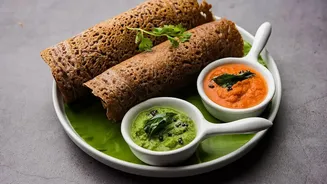
The options for brilliant room-temperature dishes are endless and can easily be tailored to an Indian palate. A vibrant Bhel Puri or Papdi Chaat station, where guests can assemble their own plates, is always a hit. Many appetisers, like samosas or certain kebabs, are just as delicious warm as they are at room temperature. Consider a hearty bean salad, a flavourful couscous or quinoa with roasted vegetables, or a platter of dips like hummus and muhammara with an assortment of breads and vegetable sticks. Even some main courses can be designed this way. A platter of grilled paneer tikka or spiced potato and chickpea salad (Aloo Chana Chaat) can stand beautifully on its own, no heating required.
Serving with Style and Safety
While these dishes are low-maintenance, food safety remains important. The general rule is that perishable food should not be left at room temperature for more than two hours. If your gathering is outdoors or in a particularly warm room (above 32°C or 90°F), this window shrinks to just one hour. To keep things safe and stylish, consider preparing dishes in smaller batches. You can put out a fresh platter halfway through the party to ensure everything stays within the safe time limit and looks its best. This approach keeps the buffet looking abundant and fresh while giving you peace of mind. A simple label for the dish is also a nice touch, especially if it contains common allergens.