







Eat Mindfully, Not Hurriedly
In our fast-paced lives, it's easy to inhale a meal in minutes without a second thought. However, digestion begins in the mouth, not the stomach. Chewing your food thoroughly does more than just break it down into smaller, manageable pieces; it also signals
your salivary glands to release enzymes that start the digestive process. Furthermore, eating slowly gives your brain the 20 minutes it needs to register fullness, preventing overeating which can overwhelm your digestive system. Try putting your fork down between bites or taking a moment to savour the flavours and textures of your food. This simple act of mindfulness can make a world of difference.
Hydration is Non-Negotiable
Water is essential for nearly every bodily function, and digestion is no exception. Proper hydration helps break down food so that your body can absorb the nutrients. It's particularly crucial for fibre intake. Water helps soften stool and combines with soluble fibre to form a gel-like substance, promoting smooth and regular bowel movements and preventing constipation. While you’ve likely heard the “eight glasses a day” rule, individual needs vary. A good rule of thumb is to drink water consistently throughout the day, not just when you feel thirsty. If your urine is a pale, straw-like colour, you're likely well-hydrated.
Make Fibre Your Best Friend
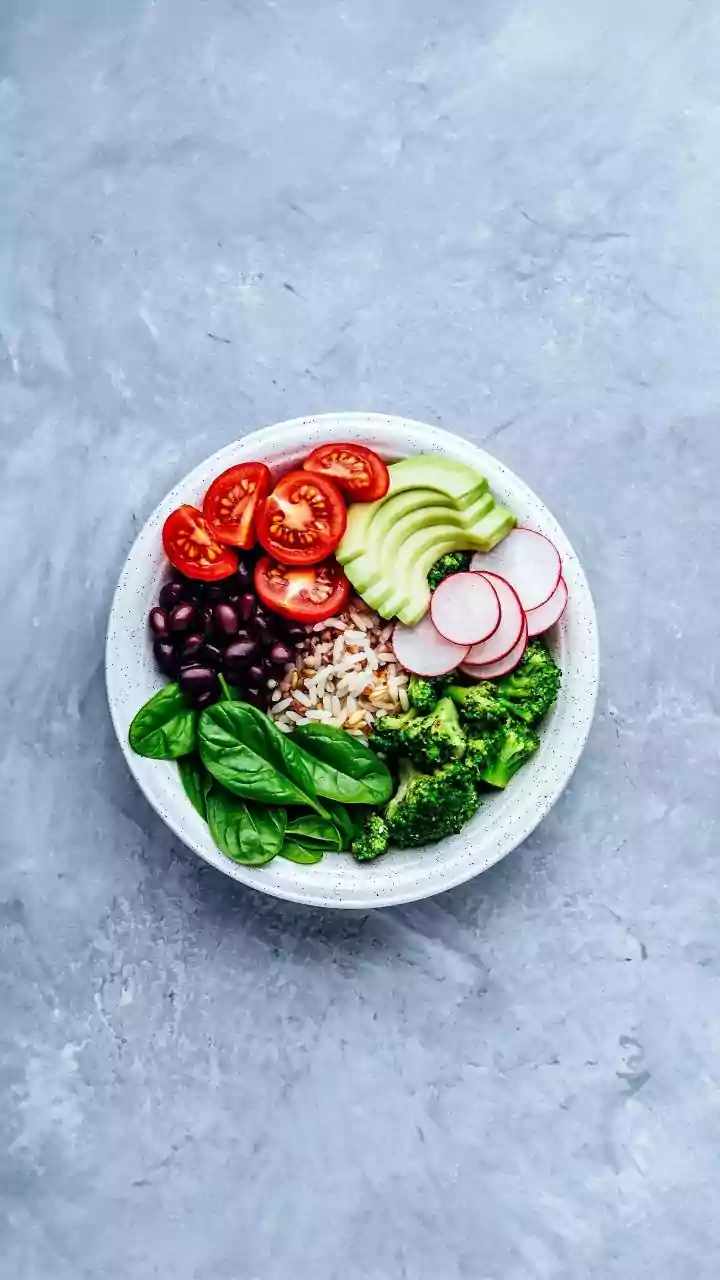
Fibre is the structural part of plant foods that your body cannot digest or absorb. It plays a critical role in maintaining a healthy digestive tract. There are two types: soluble and insoluble. Soluble fibre, found in oats, beans, apples, and carrots, dissolves in water to form a gel, which can help lower cholesterol and blood sugar levels. Insoluble fibre, found in whole grains, nuts, and vegetables like cauliflower and green beans, adds bulk to the stool and helps food pass more quickly through the stomach and intestines. A balanced intake of both is ideal for digestive health. Incorporate a variety of fruits, vegetables, legumes, and whole grains into your diet to ensure you’re getting enough.
Get Moving to Keep Things Moving
Regular physical activity does more than just build muscle and improve cardiovascular health; it's also a powerful aid for digestion. Exercise helps stimulate the natural contraction of intestinal muscles, a process known as peristalsis. This helps move food through your digestive system more efficiently, reducing the risk of constipation and bloating. You don't need to run a marathon to reap the benefits. A simple 20-30 minute walk after a meal can aid digestion, help regulate blood sugar, and contribute to your overall well-being. Find an activity you enjoy, whether it's walking, yoga, or cycling, and make it a regular part of your routine.
Tame Stress for a Calmer Gut
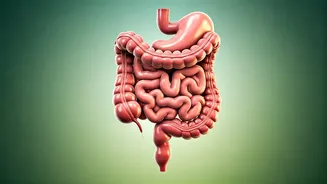
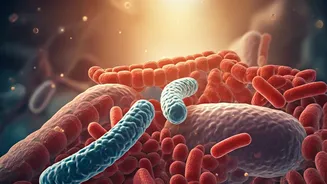
Ever felt 'butterflies' in your stomach when nervous? That's the gut-brain axis in action. Your gastrointestinal tract is highly sensitive to emotion, and stress can wreak havoc on it. When you're stressed, your body diverts blood flow away from the digestive system, slowing it down and potentially causing issues like indigestion, cramping, or diarrhoea. Chronic stress can also disrupt the balance of your gut bacteria. Finding healthy ways to manage stress—such as meditation, deep breathing exercises, spending time in nature, or engaging in a hobby—is not just good for your mind, but essential for a happy, functioning gut.
Prioritise Your Sleep Schedule
Sleep is when your body repairs and restores itself, and that includes your digestive system. A lack of quality sleep can increase stress hormones like cortisol, which, as noted, negatively impacts digestion. Poor sleep is also linked to an increased risk of inflammatory bowel conditions and can alter your gut microbiome. Aiming for 7-9 hours of consistent, quality sleep per night gives your entire body, including your gut, the downtime it needs to function optimally. Establishing a relaxing bedtime routine and maintaining a regular sleep-wake cycle can significantly support your digestive health.