

Essential Monsoon Care Tips
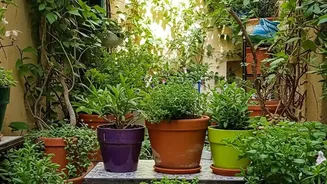
Before we dive into the herbs, remember the golden rule of monsoon gardening: drainage is everything. Heavy rains can quickly lead to waterlogged pots and root rot, the number one enemy of container plants. Ensure every pot has drainage holes. It’s also
wise to elevate your planters on stands or bricks to allow excess water to escape freely. Use a light, well-draining soil mix; you can add sand or coco peat to your regular potting soil to improve aeration. Finally, even though it’s raining, check the soil moisture before watering. Only water when the top inch of soil feels dry.
Mighty Mint (Pudina)
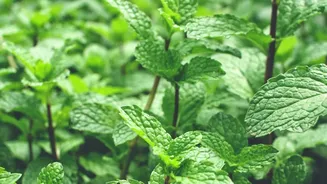
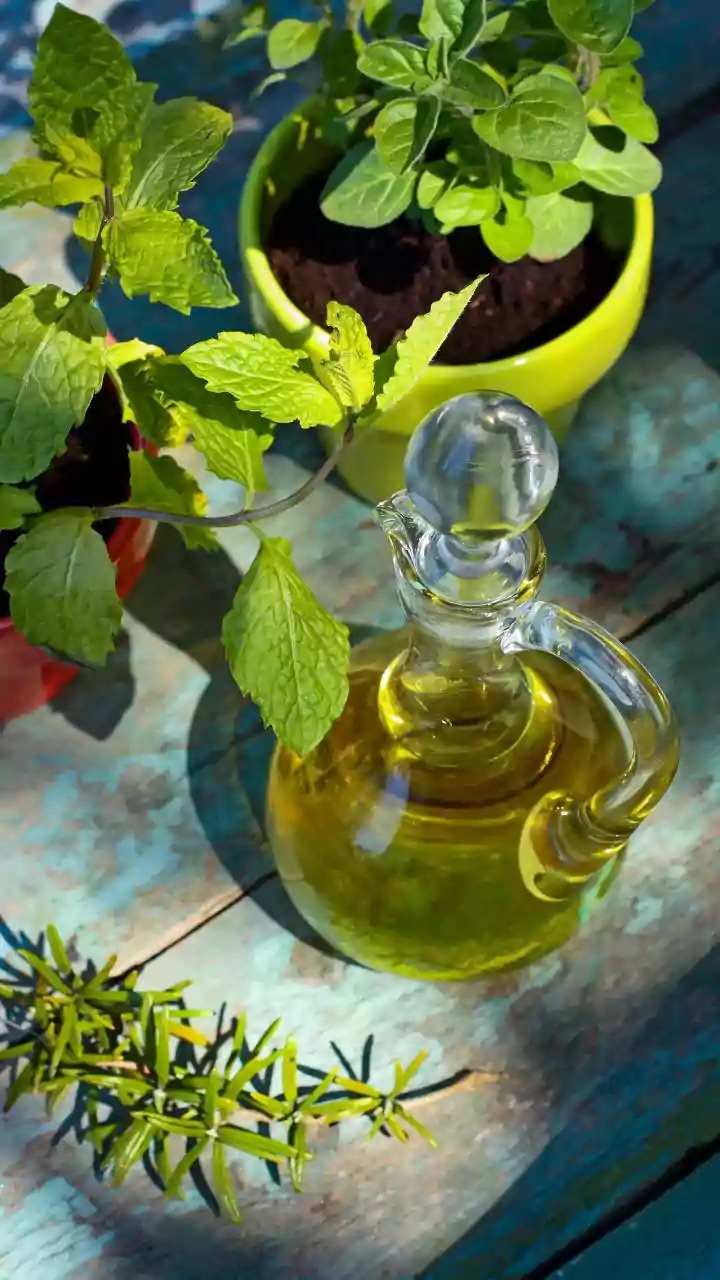
Mint is one of the most rewarding herbs for a beginner gardener. It thrives in the cool, moist conditions of the monsoon and grows vigorously. In fact, it can be a bit too enthusiastic, so it's best to plant it in its own container to prevent it from taking over your other pots. A wide, shallow pot works well as mint spreads through runners. It’s not fussy about sunlight and does well in spots that receive partial sun. Harvest the leaves regularly to encourage bushier growth and enjoy a constant supply for your chutneys, raitas, and refreshing drinks all season long.
Holy Basil (Tulsi)
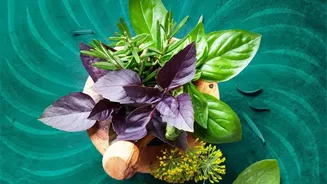
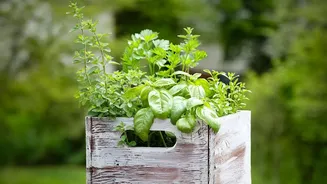
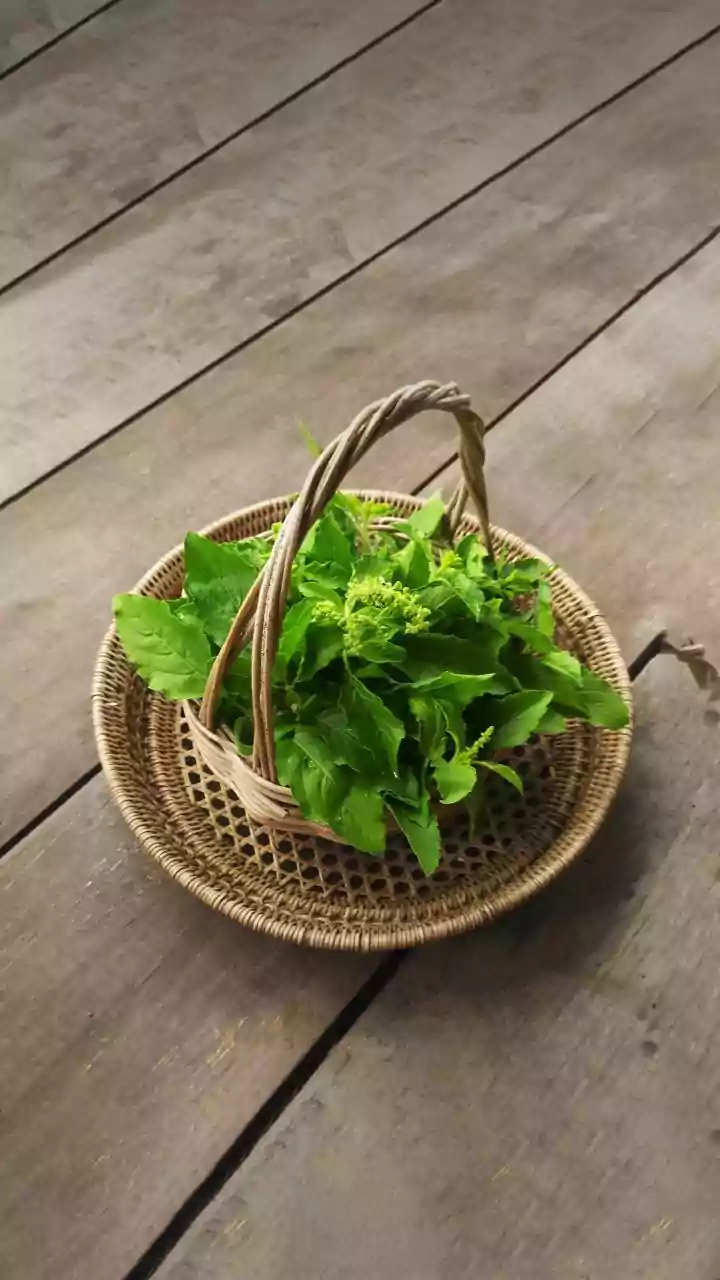
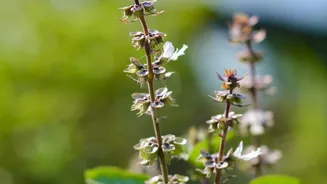
A staple in most Indian households, Tulsi grows exceptionally well during the warm, humid monsoon months. Valued for its medicinal properties, having a fresh Tulsi plant can help combat seasonal colds and coughs. For healthy growth, plant Tulsi in a medium-sized pot with well-draining soil. It needs about four to six hours of sunlight daily, so place it in a bright spot on your balcony. Be careful not to overwater; let the soil surface dry out a bit between waterings. To get a lush, leafy plant, remember to pinch off the flower spikes (manjiri) as they appear.
Lively Lemongrass
The refreshing, citrusy aroma of lemongrass is a wonderful addition to any monsoon garden. This herb loves moisture and warmth, making the rainy season its peak growing period. It’s a low-maintenance plant that develops lush, fragrant stalks with minimal care. Plant it in a large, deep pot to accommodate its root system. Lemongrass enjoys full sun but will tolerate some partial shade. Use it to flavour teas, soups, and curries. The leaves can also be used as a natural air freshener or insect repellent for your home.
Classic Coriander (Dhania)
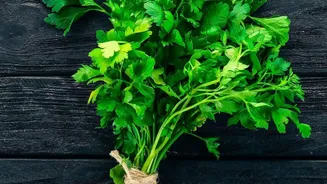
No Indian kitchen is complete without fresh coriander. The cool, moist weather of the monsoon is perfect for growing this essential herb, which can sometimes struggle in the intense summer heat. Coriander grows quickly and you can harvest it multiple times. For better germination, lightly crush the whole coriander seeds before sowing. Use a wide container and sow the seeds evenly. It prefers a spot with morning sun and afternoon shade. Keep the soil consistently moist but not waterlogged. In just a few weeks, you'll be able to snip fresh leaves to garnish your favourite dishes.
Indian Borage (Ajwain)
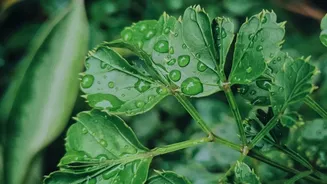
The Ajwain plant, with its distinctively aromatic leaves, is another excellent and hardy choice for a monsoon balcony garden. Often mistaken for the carom seeds they are named after, the leaves of this plant are thick, fleshy, and have a pungent flavour perfect for pakodas or to aid digestion. This herb is quite resilient and grows well in pots. It requires well-drained soil and prefers a spot with full to partial sunlight. Like succulents, its fleshy leaves store water, so be extra cautious about overwatering, especially during continuous rainfall.