




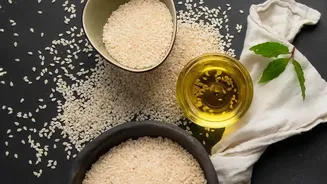

What Are Cold-Pressed Oils?
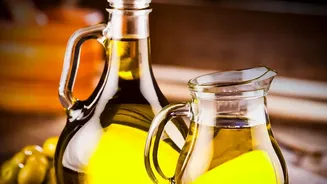
Cold-pressed oils are extracted from seeds or nuts using a mechanical press without high heat or chemical solvents. This gentle process, often done in a traditional wooden press (or 'ghani'), helps the oil retain more of its natural flavour, aroma, and
nutrients compared to refined oils. While refined oils are processed to have a neutral taste and longer shelf life, cold-pressed oils carry the authentic character of their source, be it the pungency of mustard or the nuttiness of groundnut.
Mustard Oil: The Pungent Powerhouse
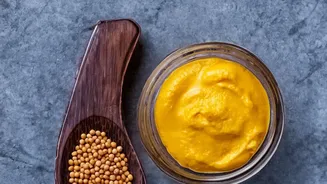
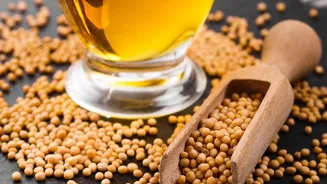
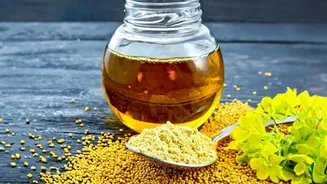
A staple in North and East Indian cooking, cold-pressed mustard oil is known for its sharp, pungent flavour and aroma. It has been a cornerstone of Bengali, Punjabi, and Bihari cuisines for centuries. Traditionally, the oil is often heated until it just begins to smoke to mellow its raw intensity before spices are added. Its high smoke point, around 250°C, makes it excellent for deep-frying snacks like samosas and pakoras, as well as for making pickles, where it also acts as a natural preservative. It is the soul of dishes like Bengali fish curry (macher jhol) and sarson ka saag.
Groundnut Oil: The Versatile All-Rounder
Cold-pressed groundnut oil, also known as peanut oil, is a versatile, everyday cooking medium, especially popular in Western and Southern India. With a mild, nutty flavour, it complements a wide variety of dishes without overpowering them. This makes it a fantastic choice for daily cooking, from preparing sabzis and dals to making poha or upma. It has a relatively high smoke point for a cold-pressed oil (around 160-180°C), making it suitable for most Indian home-frying methods. This balance of flavour and performance is why many consider it the most versatile cold-pressed oil for a typical Indian kitchen.
Coconut Oil: The Coastal Classic
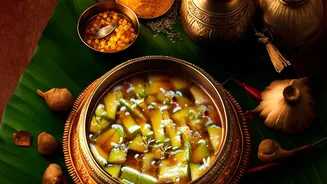
Deeply rooted in the culinary traditions of Kerala and other coastal regions, cold-pressed coconut oil brings a distinct, slightly sweet and nutty flavour to food. It is the foundation for many iconic South Indian dishes, including avial (a mixed vegetable stew), vegetable stir-fries (thoran), and various fish curries. It's also used for tempering spices for dals and chutneys. With a smoke point of around 177°C, it's ideal for sautéing and shallow frying. Beyond savoury dishes, it's also used in sweets like coconut ladoos and the famous Kozhikoden Halwa.
Sesame Oil: The South Indian Staple
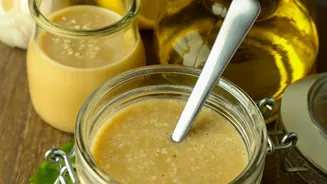
Often called 'gingelly oil', cold-pressed sesame oil is a cherished ingredient in South Indian cuisine, particularly in Tamil Nadu. It has a rich, deep, and slightly nutty flavour that is essential for specific dishes. It is the traditional choice for making tamarind-based gravies like puliyogare and vatha kuzhambu. It is also famously paired with idli milagai podi ('gunpowder'), where the oil is mixed with the spicy powder to create a flavourful dip. With a smoke point similar to coconut oil (around 177°C), it's best for tempering, sautéing, and finishing dishes rather than high-heat deep-frying.
Matching the Oil to the Method
Choosing the right oil isn't just about flavour; it's also about the cooking method. The 'smoke point' is the temperature at which an oil starts to break down and smoke. For high-heat cooking like deep-frying pooris or samosas (which typically happens between 165-180°C), mustard oil and groundnut oil are reliable choices. For tempering (tadka), sautéing vegetables, or preparing curries where the heat is more moderate, coconut and sesame oils work beautifully. Using an oil above its smoke point can create a burnt taste and destroy its beneficial properties. Many Indian households traditionally keep two or three different oils and rotate them based on the recipe, a practice that naturally aligns the oil's character with the dish.