





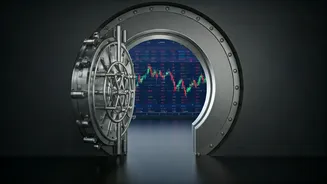



What is a Cash Buffer, Really?
Think of a cash buffer, or an emergency fund, as your personal financial fire extinguisher. It’s not an investment meant to grow; it’s a pool of liquid cash set aside for true, unexpected emergencies. This isn’t money for a vacation or a new phone. It’s for situations
that could otherwise derail your life: a sudden job loss, an urgent medical procedure not covered by insurance, or a critical home or car repair. The standard recommendation is to have enough cash to cover three to six months of your essential living expenses. This money should be kept in a place that is easily accessible, like a separate high-yield savings account—not locked away in stocks or mutual funds where its value can fluctuate and it's harder to withdraw quickly.
Why This Must Come First
Many people are tempted to skip this step, eager to put their money to work in the stock market through Systematic Investment Plans (SIPs) or other instruments. The logic seems sound: why let money sit idle when it could be earning double-digit returns? The answer is risk. Without a cash buffer, you are investing without a safety net. Imagine you lose your job, and at the same time, the stock market takes a downturn. You would be forced to sell your investments at a loss just to pay your bills. You might even have to take on high-interest debt from credit cards or personal loans. An emergency fund acts as an insurance policy for your investment portfolio. It allows you to ride out market volatility and personal crises without having to liquidate your long-term assets at the worst possible time. It’s the foundation upon which all successful and sustainable wealth-building is constructed.
Calculating Your Magic Number
The phrase “six months of expenses” can sound intimidating, but calculating your specific number is straightforward. The key is to focus only on your essential, non-negotiable costs. Go through your bank statements for the last few months and add up what you spend on: - Rent or home loan EMI - Utilities (electricity, water, gas, internet) - Groceries and essential household supplies - Insurance premiums (health, life, vehicle) - Transportation costs (fuel, public transport) - Loan payments or other fixed EMIs - Essential medical expenses or school fees Exclude discretionary spending like eating out, shopping for clothes, entertainment, and vacations. Once you have your total monthly essential expense figure, multiply it by six. That is your target. For example, if your core expenses are ₹50,000 per month, your goal is to build a ₹3,00,000 cash buffer.
A Simple Plan to Build Your Buffer
Building a large cash reserve doesn’t happen overnight. The key is consistency. First, open a separate savings account for this fund, preferably one that offers a slightly higher interest rate. Naming the account “Emergency Fund” can psychologically reinforce its purpose. Next, automate the process. Set up a standing instruction to transfer a fixed amount from your salary account to your emergency fund on the day you get paid. Start with an amount that feels manageable, even if it’s just ₹5,000 or ₹10,000 a month. You can increase it over time. Direct any windfalls—a bonus from work, a tax refund, or a cash gift—directly into this fund until you reach your goal. The habit of saving automatically is more powerful than the amount itself.
Buffer Built. What Happens Now?
Reaching your six-month buffer goal is a massive financial milestone. This is the moment you have truly earned your “license to invest.” With this safety net in place, you can now approach investing with confidence and a long-term perspective. You won't be rattled by short-term market corrections because you know your daily life is secure. You can start or increase your SIPs, explore stocks, or invest in other assets that align with your risk tolerance and financial goals. Your emergency fund has done its job by giving you the most valuable commodity in finance: peace of mind. Check on the fund once a year to ensure it still covers six months of your expenses, adjusting for inflation or lifestyle changes, but otherwise, let it be the silent, strong foundation of your financial future.