



What Exactly Are We Talking About?
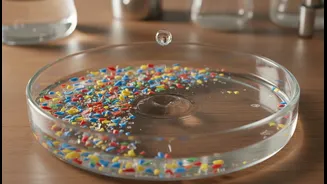
Microplastics are minuscule plastic particles, generally defined as being less than five millimetres long—smaller than a grain of rice. They are the result of larger plastic items like bags, bottles, and containers breaking down over time due to sun,
wind, and water. They also come from synthetic clothing fibres and microbeads once common in personal care products. Because they are so small and durable, they have infiltrated virtually every ecosystem on Earth, from the deepest oceans to the air we breathe and, consequently, the food we eat. Their presence is often invisible, tasteless, and odourless, making them a silent addition to our meals.
The Usual Suspects On Your Shopping List
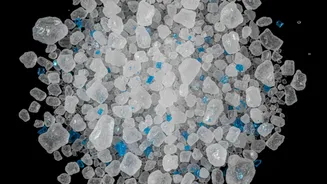
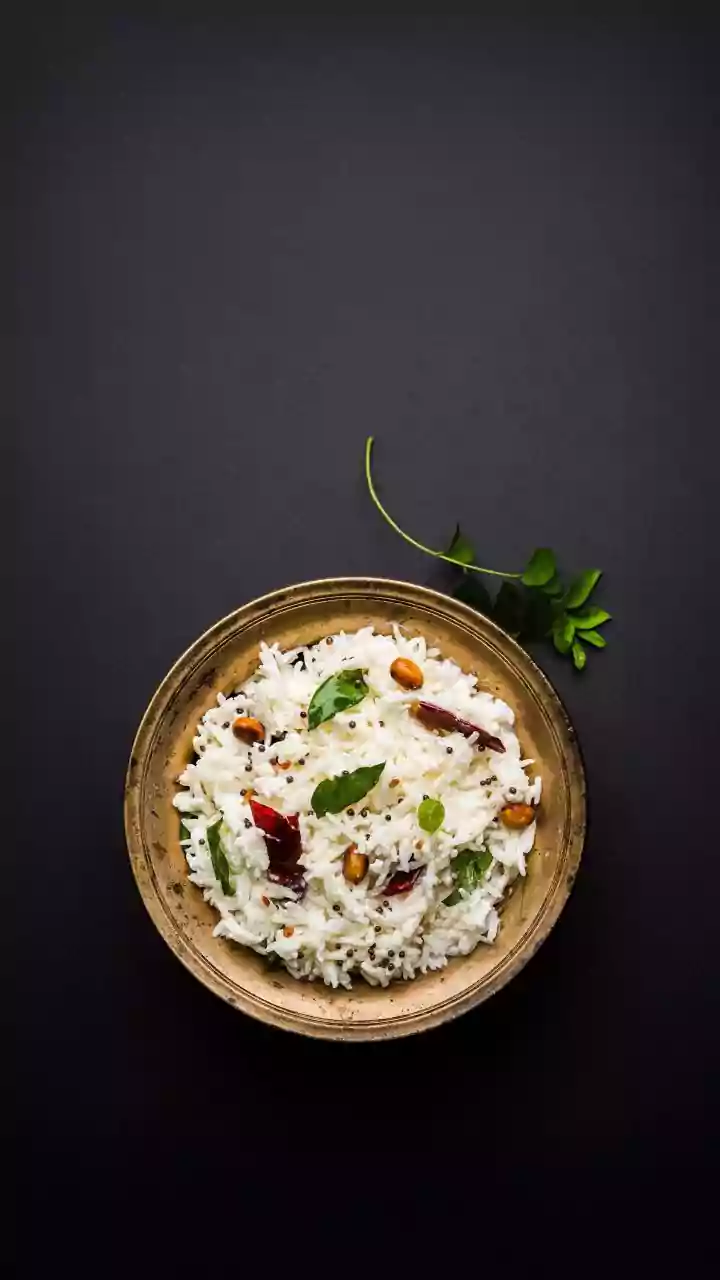
The conversation around microplastics often starts with seafood, but the contamination is far more widespread. Research has found these particles in a surprising number of pantry staples. Salt is a significant one; one major study found microplastics in about 90% of salt brands tested, with sea salt being the most contaminated. Sugar is another culprit, with particles found in both brown and white varieties. A study in India by the environmental group Toxics Link confirmed the presence of microplastics in all tested brands of packaged salt and sugar. Other staples like rice, flour, and honey have also been shown to contain microplastics. Even bottled water is a known source, not just from the water itself but potentially from the plastic packaging and bottling process.
From Plastic Waste to Dinner Plate
How do these particles end up in our food? There are several pathways. Environmental contamination is the primary route. For sea salt, the production process involves evaporating ocean water, which concentrates the plastic debris already present in our polluted seas. For agricultural products like rice and sugar, contamination can occur from plastic used in farming, polluted irrigation water, or even from plastic dust settling from the air. Another significant source is the processing and packaging. Plastic machinery, pipes, and storage containers can shed particles into food during production. While there is debate, some evidence suggests that plastic packaging itself can leach both microplastics and chemical additives into the food and drinks they contain, especially when heated.
The Big Question: What About Our Health?
This is where the 'conversation' part of the headline becomes critical. The science on the direct health impact of ingesting microplastics is still developing, and major bodies like the U.S. FDA state that current evidence doesn't show a risk to human health from the levels found in food. However, concerns are growing. Animal and cell studies suggest potential links to inflammation, oxidative stress, and gut microbiome disruption. A significant concern is that microplastics can act like tiny sponges, absorbing harmful chemicals like pesticides and heavy metals from the environment and delivering them into the body. The plastics themselves also contain chemical additives like BPA and phthalates, which are known endocrine disruptors linked to reproductive issues and other health problems. Microplastics have been found in human blood, lungs, and even placentas, confirming they can travel within the body.
Can We Shop Our Way Out of This?
Unfortunately, completely avoiding microplastics is likely impossible given their prevalence. However, you can take steps to reduce your exposure. Opting for food with minimal or non-plastic packaging, like items stored in glass or metal, is a good start. When it comes to salt, studies suggest that rock salt mined from underground deposits tends to have fewer particles than sea salt. Reducing consumption of ultra-processed foods, which often involve more plastic in their production and packaging, may also help. At home, avoid microwaving food in plastic containers and consider switching from plastic cutting boards and utensils to wood, bamboo, or metal, as these can shed particles. Filtering your tap water can also capture microplastics. While individual actions are helpful, the broader solution lies in tackling the root cause: global plastic pollution. Supporting initiatives for better waste management and reduced plastic production is key to cleaning up our food chain for good.