



The Two Faces of Iron
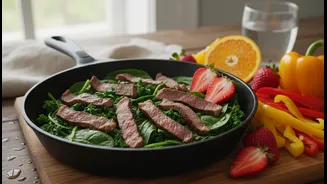
When we talk about dietary iron, we’re actually talking about two distinct types: heme and non-heme iron. Heme iron, found in animal products like meat, poultry, and fish, is readily absorbed by the body. Think of it as having a VIP pass into your system.
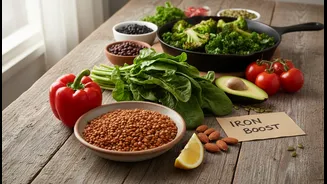
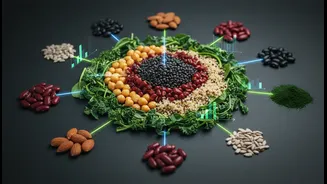
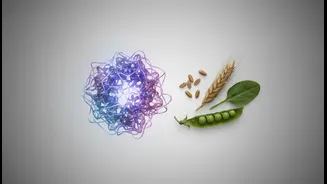
On the other hand, non-heme iron is found in plant-based foods such as lentils (dal), spinach (palak), beans, seeds, and whole grains. While abundant in vegetarian and vegan diets, non-heme iron is significantly harder for our bodies to absorb. This is the central challenge for those who rely on plants for this vital mineral.
The Plant Iron Problem: Meet the Inhibitors
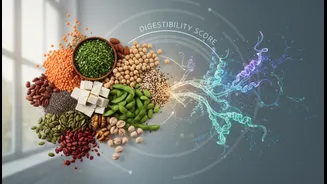
So, why is non-heme iron so tricky to absorb? The answer lies in compounds called inhibitors, which are naturally present in many plant foods. The primary culprits are phytates (found in whole grains, legumes, and nuts) and polyphenols, including tannins (found in tea and coffee). These compounds can bind to iron in the gut, forming insoluble complexes that prevent the iron from being absorbed into the bloodstream. This means that even if you eat an iron-rich plant-based meal, you might not be getting the full benefit, as these inhibitors are essentially locking the iron away.
Vitamin C to the Rescue: A Chemical Key
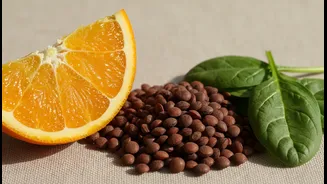
This is where vitamin C, or ascorbic acid, plays a heroic role. Decades of research have confirmed that vitamin C is the most potent natural enhancer of non-heme iron absorption. Its power comes from a simple but crucial chemical reaction. Most plant iron is in a form called ferric iron (Fe3+), which our gut struggles to process. Vitamin C acts as a reducing agent, converting this ferric iron into the much more soluble and absorbable ferrous iron (Fe2+) state. Essentially, vitamin C unlocks the iron, making it bioavailable for your body to use. It also helps counteract the negative effects of inhibitors like phytates and tannins.
Putting It on Your Plate: Smart Indian Pairings
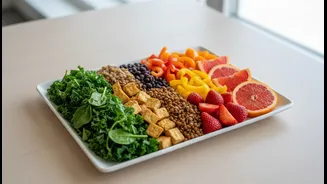
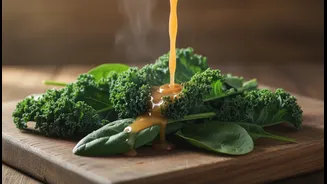
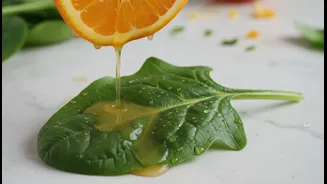
The science translates into simple, powerful habits in the kitchen. The key is to consume vitamin C-rich foods and iron-rich plant foods in the same meal. For Indian diets, this is incredibly intuitive. Consider squeezing a generous amount of lemon (nimbu) over your bowl of dal or spinach sabzi. Adding tomatoes, which are a good source of vitamin C, to chickpea curry (chana masala) or lentil dishes also boosts iron uptake. Pairing iron-rich greens like moringa leaves or fenugreek (methi) with a side of amla (Indian gooseberry) or guava can make a significant difference. Even something as simple as having a glass of fresh orange juice with your poha or whole-wheat roti can enhance absorption.
Timing Matters: What to Avoid with Iron-Rich Meals
Just as important as what you add to your meal is what you keep separate. Because compounds in tea and coffee are powerful iron inhibitors, it’s wise to avoid drinking them with or immediately after an iron-rich meal. Studies have shown a cup of tea or coffee can reduce iron absorption significantly. Similarly, calcium can also interfere with the absorption of both heme and non-heme iron. While essential, it’s best to separate calcium-rich foods and supplements from your main iron-focused meals by a couple of hours to maximize what your body can absorb.