



Understanding the Orionids
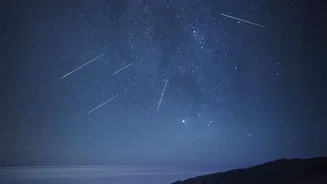
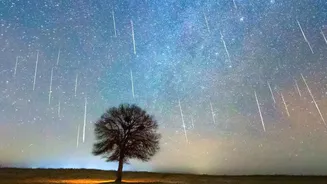
The Orionid meteor shower is an annual celestial event that occurs when Earth travels through the debris field left behind by the famous Comet 1P/Halley. These tiny fragments, often no bigger than a grain of sand, burn up upon entering our atmosphere
at incredible speeds—about 66 kilometres per second—creating the bright, fast streaks of light we call meteors or 'shooting stars'. They are named 'Orionids' because their radiant—the point in the sky from which they appear to originate—is located in the constellation of Orion.
Peak Dates and Times for India
For viewers in India, the Orionid meteor shower is predicted to peak on the night of October 21-22, 2026. While the shower is active from early October to early November, your best chance to see the highest frequency of meteors will be during these peak nights. Under ideal, moonless conditions, you might see 10 to 20 meteors per hour. However, the 2026 shower faces a challenge: a bright, waxing gibbous moon will be in the sky for much of the night, washing out fainter meteors. The best viewing window will be in the dark hours before dawn, after the moon sets. For most of India, this will be roughly between 3:30 AM and 5:15 AM IST.
Finding the Perfect Viewing Spot
The single most important factor for a good viewing experience is getting away from city lights. Light pollution from urban areas drastically reduces the number of visible meteors. Look for a location with a clear, unobstructed view of the sky, far from streetlights and buildings. Ideal spots include remote rural areas, the outskirts of towns, or designated dark-sky locations. In India, places like the Rann of Kutch, parts of Ladakh, Spiti Valley, and remote areas in the Western Ghats offer pristine dark skies. Even a local park or a quiet spot 30-40 kilometres outside a major city can make a significant difference.
What to Pack for the Night
You don't need any special astronomical gear; in fact, your naked eyes are the best tool for the job since they provide the widest field of view. Instead, focus on comfort. The pre-dawn hours in October can be chilly, so dress in warm layers. Bring a reclining chair, a blanket, or a mat to lie on—this will save you from neck strain. Packing a flask with a warm beverage and some snacks can make the wait more enjoyable. Also, bring a red-light torch instead of a regular white flashlight; red light helps preserve your night vision.
How to Watch and What to Look For
Once you've settled into your dark spot, give your eyes at least 20-30 minutes to fully adapt to the darkness. This means no looking at your phone screen. The meteors will appear to come from the direction of the Orion constellation, which rises in the east after 10 PM. A good way to find it is to look for the three prominent stars forming Orion's belt. However, you don't need to stare directly at the radiant. The best approach is to lie back and take in as much of the sky as possible, as meteors can appear anywhere. Patience is key; meteors often come in sporadic bursts, not a steady stream.