






The Golden Age of the All-You-Can-Stream Buffet
It wasn't that long ago that cutting the cord felt like a simple, elegant solution. For a single monthly fee, a service like Netflix offered a seemingly endless library of movies and beloved TV shows. It was the promise of an all-in-one entertainment
hub, free from the complexities and high costs of cable. For a while, this model worked beautifully. Content owners and studios were happy to license their back catalogues, earning revenue on titles that were otherwise sitting on shelves. This created a golden age of aggregation, where one platform could genuinely feel like it covered most of your viewing needs. Consumers flocked to the model, drawn by the convenience and value. But the very success of this system planted the seeds of its own demise.
Everyone Wants Their Own Slice of the Pie
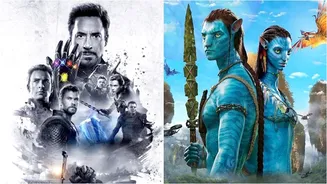
As streaming platforms grew into global giants, the content owners—the Disneys, Warner Bros., and NBCUniversals of the world—had a realization. They were providing the fuel for another company's rocket ship. Why license their most valuable assets when they could build their own direct-to-consumer services and keep all the monthly subscription fees for themselves? This triggered the “streaming wars” and the great fragmentation of the market. Studios began systematically pulling their content from other platforms to create exclusive walled gardens. Suddenly, if you wanted to watch a Marvel movie, you needed Disney+. For 'Friends', it was Max. This strategy, known as content fragmentation, became the primary business model. Exclusivity was no longer a perk; it became the entire reason to subscribe.
The Return of the Cable Bill
The original promise of streaming was affordability. However, the shift to a fragmented market came with a steep cost for consumers. To access the same breadth of content they once enjoyed, viewers now need to subscribe to multiple services. Individually, each subscription might seem reasonable, but combined, the monthly cost can easily meet or exceed what a premium cable package used to cost. Recent data highlights this trend, with services like Disney+ and Apple TV+ seeing price increases of over 200% since their launch. The average household with a handful of subscriptions can now expect to pay well over $100 a month, and that's before factoring in the necessary broadband internet connection. This phenomenon of rising costs has been dubbed “streamflation,” and it has pushed many to question the value proposition of cord-cutting.
Subscription Fatigue and Decision Paralysis
Beyond the financial strain, the fragmented landscape has created a new kind of viewer exhaustion. This “subscription fatigue” is the feeling of being overwhelmed by the need to manage multiple accounts, passwords, and billing cycles. It has also led to decision paralysis; with content scattered across so many different apps, simply finding where a specific show or movie is available can be a chore. Surveys have shown that consumers spend a significant amount of time just deciding what to watch, a direct result of the overwhelming number of choices. In response, viewers are becoming more strategic, subscribing to a service for a specific show and then cancelling immediately after—a pattern that has forced platforms to focus as much on retaining customers as acquiring them.