
The Sustainable and Stylish Choice
In a world leaning towards conscious consumption, upcycling is more than a trend; it's a thoughtful approach to design. Repurposing textiles reduces waste and gives cherished items a new lease on life. Old sarees, often stored away for sentimental reasons,
are perfect candidates for this transformation. Each one carries memories and unique craftsmanship, making them far more personal than mass-produced curtains. Whether it's a grandmother's silk or a favourite printed cotton, turning it into a drape preserves its story while adding unparalleled character to your interiors. This practice is not only eco-friendly but also offers a way to create a home that is truly one-of-a-kind.
The Magic of the Zari Border
What makes saree drapes particularly striking is often their most iconic feature: the Zari border. Zari is a traditional thread made of or coated in fine gold or silver, woven into fabric to create intricate patterns. When a saree is hung as a curtain, this decorative edge acts as a natural, built-in frame. The metallic sheen catches the light beautifully, drawing the eye and creating a defined, elegant silhouette. This border can be bold and dramatic or subtle and delicate, serving as the architectural element that turns a simple panel of fabric into a statement piece. It transforms the window into a focal point, much like a piece of framed art.
Choosing the Perfect Saree
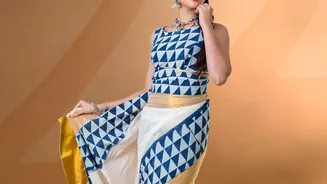
Not all sarees are created equal when it comes to curtains. The fabric is a crucial consideration. For a light, airy feel that allows natural light to filter through, opt for lightweight materials like cotton, chiffon, or georgette. These are ideal for creating a chic, modern, or bohemian look. For a more opulent and formal setting, silk sarees like Banarasi or Kanjeevaram provide a luxurious feel and richer colour depth. Keep your room's existing decor in mind. Geometric or single-tone prints work well in modern households, while small florals can suit a vintage aesthetic. If you have a saree with a particularly stunning pallu (the decorative end-piece), you can design the curtain to showcase it.
From Saree to Curtain: A Simple Guide
The transformation from saree to curtain can be a straightforward DIY project. The simplest method involves creating a channel at the top of the saree for a curtain rod to pass through. You can fold over and stitch the fabric to create this loop. For a no-sew option, curtain ring clips can be used. For heavier fabrics like silk, it's wise to add a cotton lining. This not only protects the delicate fabric from sun damage but also adds body and improves the way the curtain hangs. A single saree is often wide enough for one panel, so you might need two matching or complementary sarees for a standard window. Alternatively, you can have a local tailor handle the conversion for a professional finish.
Styling in a Modern Space
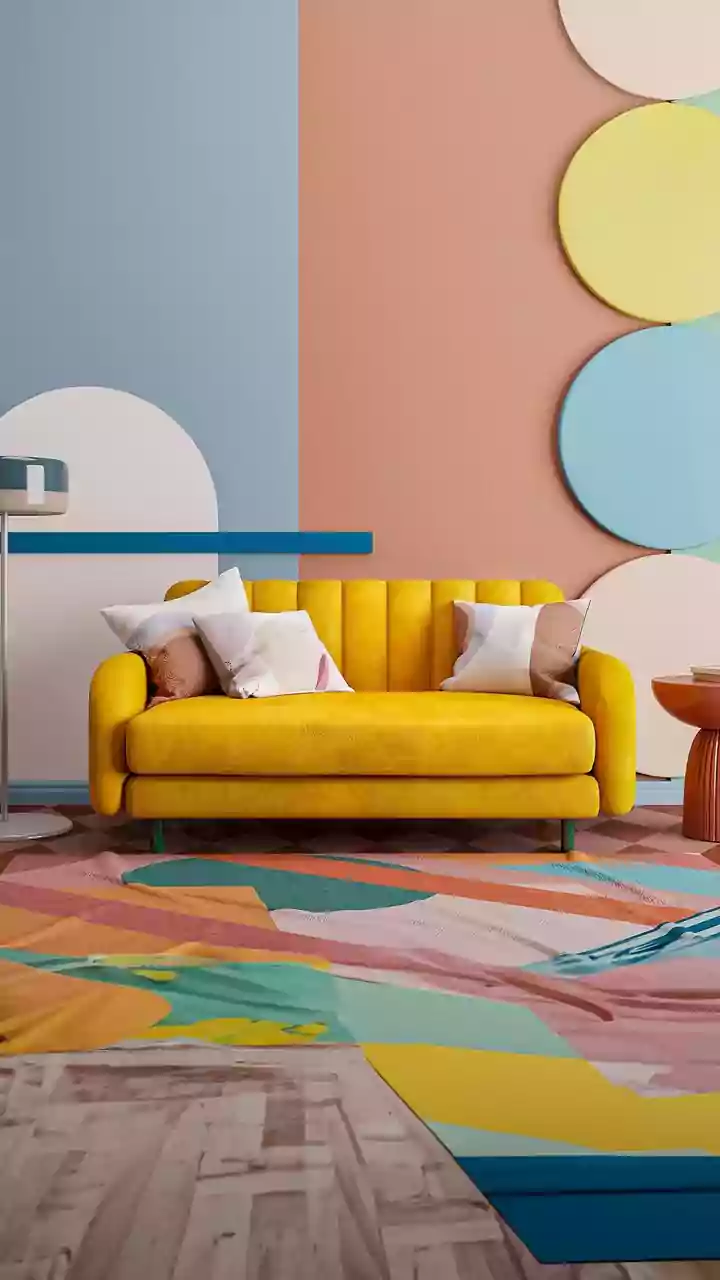
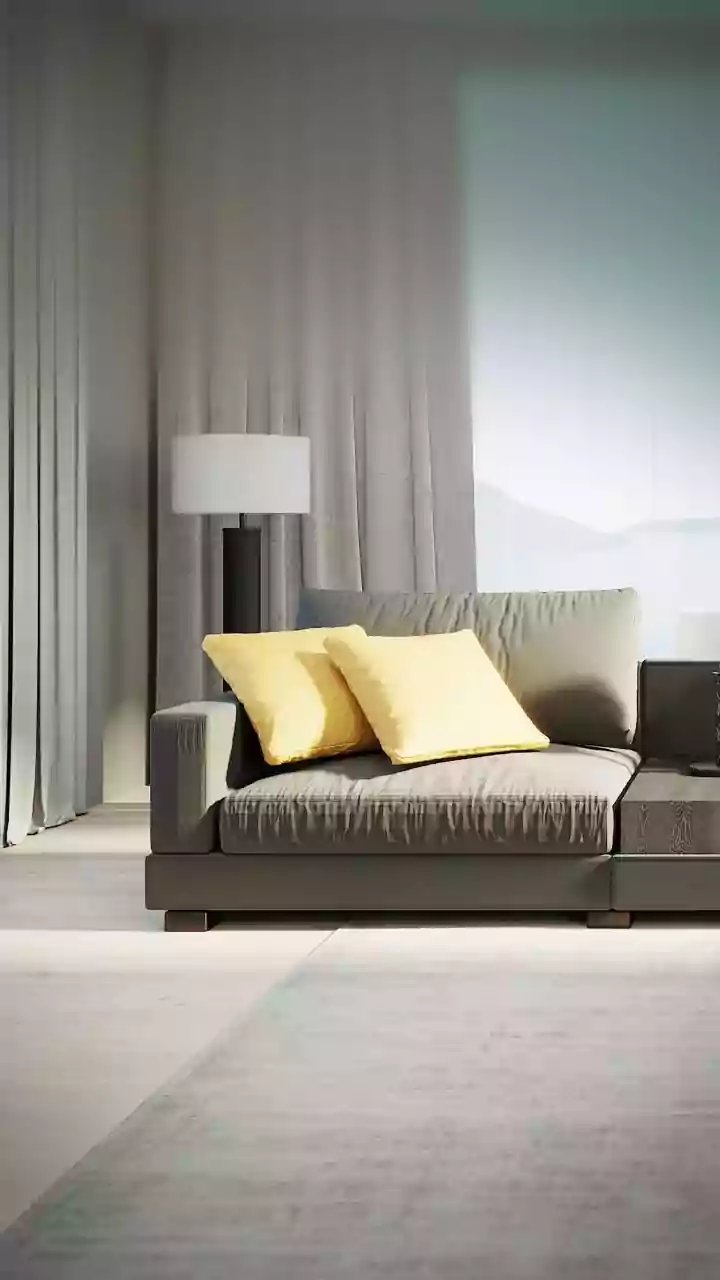
Integrating such a traditional element into a modern room is all about balance. To avoid a look that feels cluttered or dated, pair the vibrant saree drapes with neutral walls and minimalist furniture. This allows the curtains to be the undisputed star of the room. Use hardware that complements your modern aesthetic, such as a sleek metal curtain rod in black, brass, or chrome. You can tie the look together by picking up a colour from the saree and using it in smaller accents around the room, such as cushion covers or a vase. The contrast between the rich, traditional textile and the clean lines of a contemporary setting is what creates a dynamic and sophisticated interior.