





Master the Art of Layering
The single most important strategy for multi-climate travel is layering. This system allows you to adapt to fluctuating temperatures by adding or removing clothes as needed. Think of it as a three-part system. First is your base layer, which sits against
your skin and should be made of moisture-wicking material. Next comes the mid-layer, which is your primary insulator; this could be a fleece jacket or a lightweight down vest. Finally, the outer layer, or shell, protects you from wind and rain. With these three components, you can combine them to face freezing rain or wear each piece individually in milder weather, giving you incredible flexibility from a few core items.
Choose Your Fabrics Wisely
The materials your clothes are made of will make or break your comfort. For a multi-climate trip, prioritize performance fabrics over casual ones like cotton. Cotton absorbs moisture and takes a long time to dry, which can leave you feeling damp in humid weather or dangerously cold in cooler temperatures. Instead, look to merino wool, a travel superstar that regulates body temperature, wicks away sweat, and naturally resists odors, meaning you can wear it more and wash it less. Synthetic fabrics like polyester and nylon are also excellent choices, especially for base layers and activewear, as they are durable and dry exceptionally quickly.
Embrace Multi-Purpose Gear
To pack light, every item has to earn its place in your bag. Focus on pieces that can serve multiple functions. A large, lightweight scarf or pashmina can be used for warmth on a plane, as a stylish accessory in the city, a head covering for sun protection, or even a makeshift beach sarong. Convertible trousers that zip off into shorts offer two pieces of legwear in one. A well-chosen, neutral-coloured dress can be worn casually with sandals during the day or dressed up with a scarf and a jacket for a nice dinner. Thinking this way dramatically reduces the number of individual items you need to pack.
Invest in a Packable Outerwear System
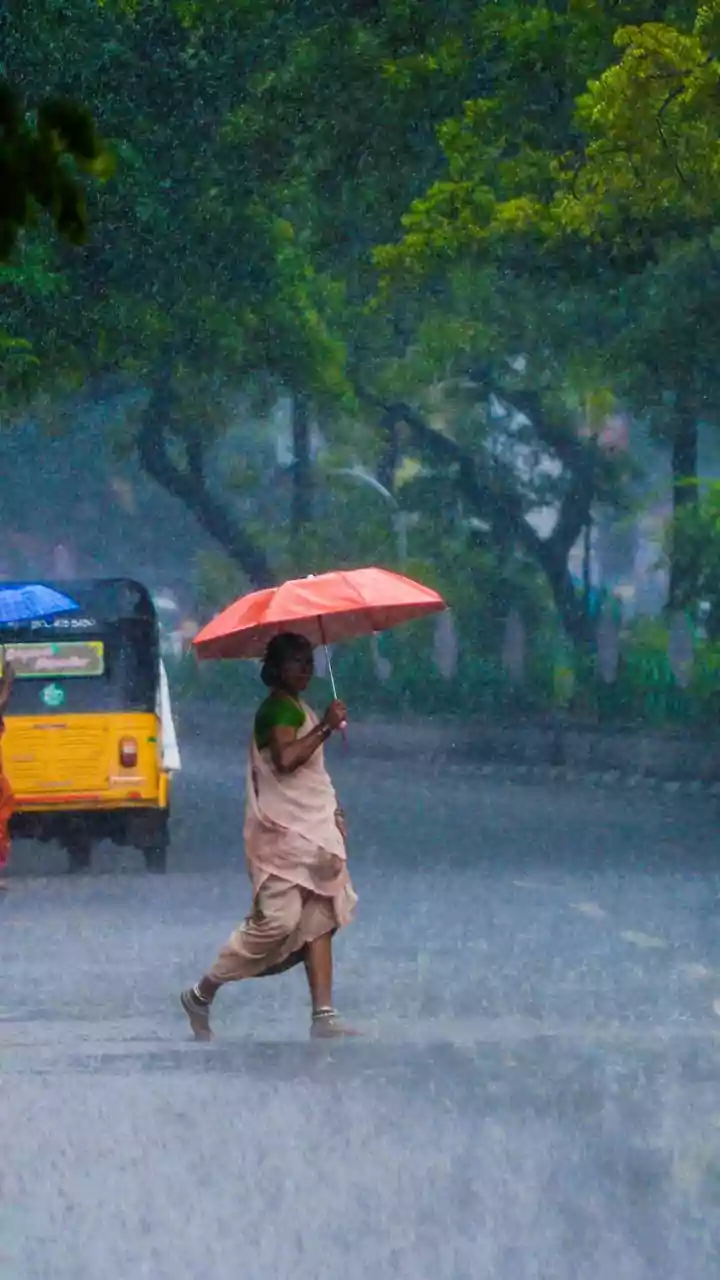
Your outerwear is your primary defense against the elements, but it doesn't have to be bulky. The ideal combination is a two-part system: a packable insulated jacket and a separate waterproof shell. The insulated jacket, often filled with down or a synthetic equivalent, provides significant warmth while compressing down to a very small size. The shell jacket should be lightweight, breathable, and fully waterproof. Worn on its own, it’s perfect for tropical downpours or windy afternoons. When you layer the shell over your insulated jacket, you have a warm, weatherproof combination ready for serious cold and wet conditions.
Develop a Smart Footwear Strategy
Shoes are often the heaviest and most awkward items to pack, so be ruthless. You rarely need more than three pairs. The first should be your workhorse: a comfortable pair of broken-in walking shoes or trail runners that can handle miles of city pavement and light hiking. The second pair should be for your warm-weather destination, such as sandals or flip-flops. If your trip involves serious trekking or snow, your third pair might be hiking boots, but consider wearing these on the plane to save a significant amount of space and weight in your luggage. Always prioritize comfort and versatility.
Organize with Packing Cubes
A well-organized bag is a lighter bag. Packing cubes are essential for managing a multi-climate wardrobe. They not only compress your clothes, saving valuable space, but they also allow you to compartmentalize your gear. You can designate one cube for warm-weather items (shorts, t-shirts, swimwear) and another for your cold-weather layers (thermal underwear, fleece, wool socks). This system prevents you from having to dig through your entire suitcase to find one specific item and makes transitioning between a humid beach and a cold mountain pass as simple as opening a different zipper.