



The Post-Carb Conundrum
Enjoying a hearty meal of pasta, rice, or bread is one of life’s simple pleasures. But for many, the aftermath involves a noticeable energy slump. This isn't just in your head; it’s a physiological response. When you consume carbohydrates, particularly
refined ones, they are quickly broken down into glucose (sugar) and enter your bloodstream. This causes a rapid rise in blood sugar. Your pancreas responds by producing insulin, a hormone that helps your cells absorb this glucose for energy. However, a sharp glucose spike triggers a large insulin surge, which can cause your blood sugar to drop too quickly, leading to feelings of fatigue, brain fog, and even hunger soon after eating.
A Simple Solution: Food Sequencing
What if you could enjoy your favourite carbohydrates without the dramatic energy rollercoaster? The answer may lie in a strategy called “food sequencing” or “meal sequencing.” The concept is straightforward: eat the different components of your meal in a specific order. Numerous studies have shown that eating non-starchy vegetables and protein before you eat carbohydrates can significantly blunt the post-meal glucose spike. One landmark study from Weill Cornell Medical College found that when participants ate protein and vegetables 15 minutes before carbohydrates, their post-meal glucose levels were nearly 37% lower after an hour compared to when the order was reversed. Insulin levels were also significantly lower. This simple change doesn't require you to give up carbs, just to save them for last.
The Science of a Salad Starter
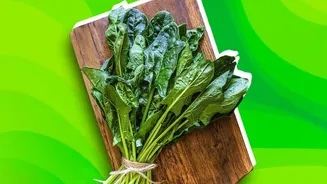
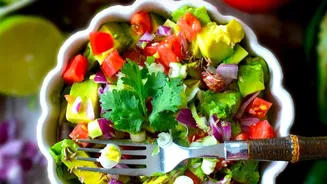
The magic behind this method lies in the fiber content of vegetables. When you eat a salad or other non-starchy vegetables first, the fiber gets a head start in your digestive system. Soluble fiber, in particular, dissolves in water to form a gel-like substance in your stomach. This has two major effects. First, it slows down “gastric emptying,” meaning the food in your stomach moves into your small intestine at a more controlled pace. Second, this viscous gel physically slows the diffusion and absorption of the glucose from the carbohydrates that you eat later in the meal. Instead of a flood of sugar hitting your bloodstream all at once, you get a slower, more gradual release. This gentler curve prevents the need for a large insulin surge, keeping your energy levels stable.
How to Put It Into Practice
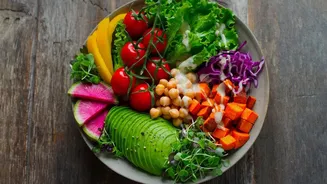
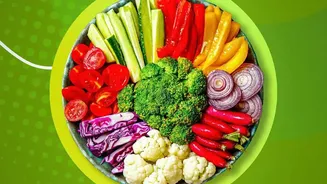
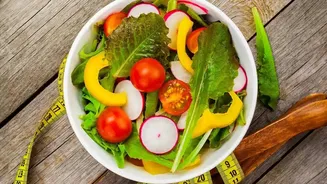
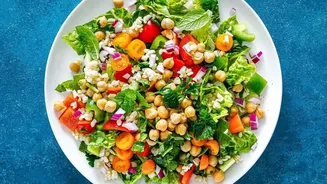
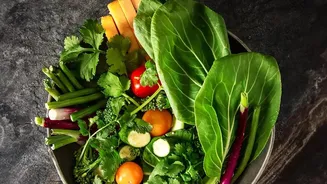
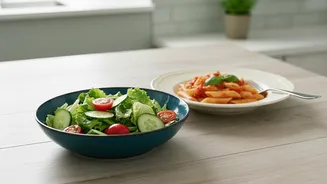
Implementing this strategy is easier than it sounds and doesn't just apply to salads. The key is to start any meal containing significant carbohydrates with a serving of non-starchy vegetables. This could be a simple green salad with a vinaigrette, a side of steamed broccoli, grilled asparagus, or a bowl of vegetable soup. Try to finish your vegetables and any protein on your plate before you move on to the rice, pasta, or bread. Even a 10-minute gap can make a difference. This approach is beneficial for everyone, not just those with diabetes or prediabetes. It’s a simple, effective tool for anyone looking to improve their metabolic health and maintain steady energy throughout the day. It even works when foods are mixed, as long as you prioritize eating the vegetable and protein components first.
Beyond Blood Sugar Benefits
The advantages of eating your vegetables first extend beyond just insulin regulation. Starting your meal with fiber-rich foods can increase feelings of fullness, or satiety. This can help with weight management by potentially reducing the total amount of food you eat during the meal. You might find you're satisfied with a smaller portion of pasta after filling up on vegetables and protein first. Furthermore, front-loading your vegetables ensures you consume these nutrient-dense foods instead of potentially neglecting them if you fill up on carbohydrates first. It's a simple habit that supports better nutrient intake, improved digestion, and a lower risk of chronic diseases associated with frequent blood sugar spikes.