



First, What Are Prebiotics?
Before we dive into the foods, let's clarify what prebiotics are. Think of them as the 'food' or 'fertilizer' for the good bacteria already living in your gut. Unlike probiotics, which are live bacteria found in foods like dahi, prebiotics are specific
types of dietary fibre that your body can't digest. They travel to your large intestine, where they nourish beneficial microbes. This process helps the good bacteria thrive, which in turn supports everything from digestion and immunity to even regulating your mood and appetite. The key takeaway is that you need both prebiotics and probiotics for a balanced gut ecosystem.
The Foundation: Onions and Garlic
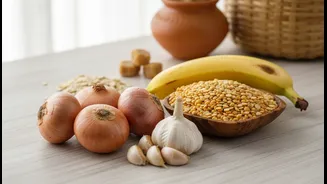
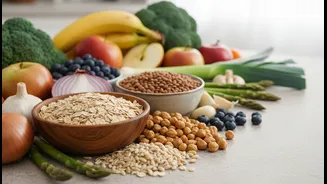
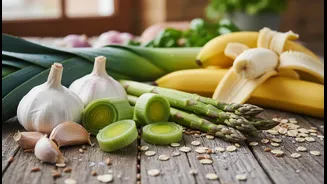
Nearly every Indian savoury dish starts with the sizzle of onions and garlic, and for good reason. Beyond their flavour, these humble ingredients are prebiotic powerhouses, rich in a type of fibre called inulin and fructooligosaccharides (FOS). These compounds selectively feed beneficial gut bacteria like Bifidobacteria. While cooking can slightly reduce the prebiotic content, they still provide a significant benefit. For an extra boost, try incorporating raw onion into salads, raitas, or kachumber. These everyday staples are one of the easiest and most consistent ways to support your gut health without even thinking about it.
The Unsung Hero: Raw Bananas
While ripe bananas are a great source of energy, their slightly unripe counterparts are champions of gut health. Unripe or green bananas are high in something called resistant starch. As the name suggests, this starch 'resists' digestion in the small intestine and functions as a prebiotic fibre in the large intestine. As a banana ripens, this resistant starch converts into simple sugars, so for maximum prebiotic benefit, greener is better. In many parts of India, raw banana is already used in sabzis, stir-fries, and chips, making it a familiar and effective choice.
The Daily Dal: Lentils and Legumes
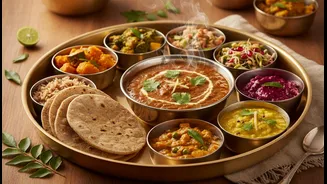
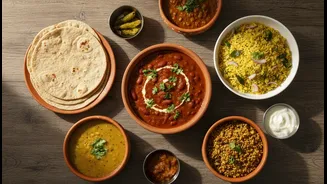
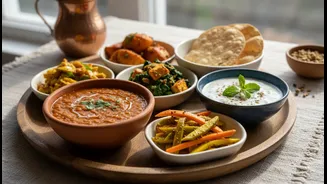
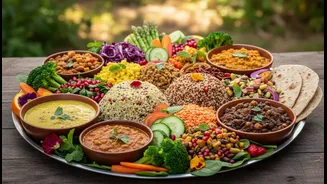
Dal is the cornerstone of Indian comfort food, and it’s also a fantastic source of prebiotics. Lentils, chickpeas (chana), kidney beans (rajma), and other legumes are packed with fibres known as galactooligosaccharides (GOS). These fibres provide essential fuel for your gut microbes, helping to improve digestion and maintain a diverse internal ecosystem. Given that dal, chana masala, or rajma chawal are staples in many households, you are likely already getting a good dose of these beneficial fibres regularly. This is a perfect example of how traditional Indian meals are naturally designed for good gut health.
Go with Whole Grains
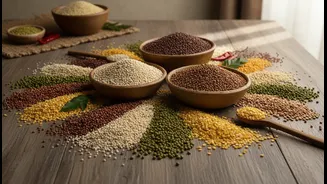
It's time to give traditional whole grains the respect they deserve. While refined flour (maida) has become common, whole grains like wheat (atta), barley (jau), and millets like jowar and ragi are far superior for gut health. These grains, especially oats and barley, are rich in a prebiotic fibre called beta-glucan. They provide a slow release of energy and feed a wide range of beneficial gut bacteria. Simply swapping refined flour rotis for whole wheat or millet-based ones, or starting your day with a bowl of oatmeal, can make a significant difference to your daily prebiotic intake.
How to Get Started
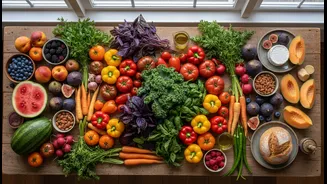
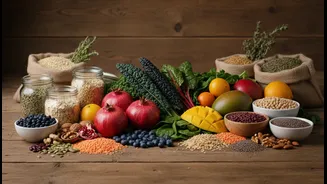
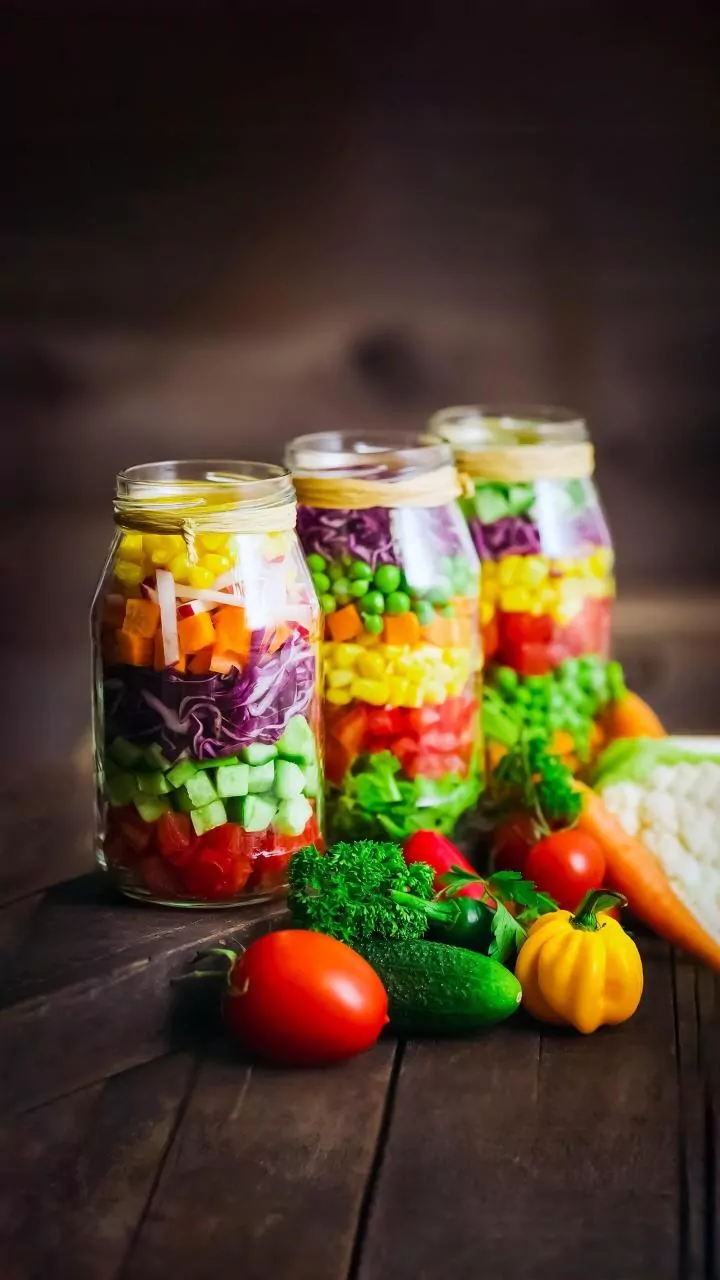
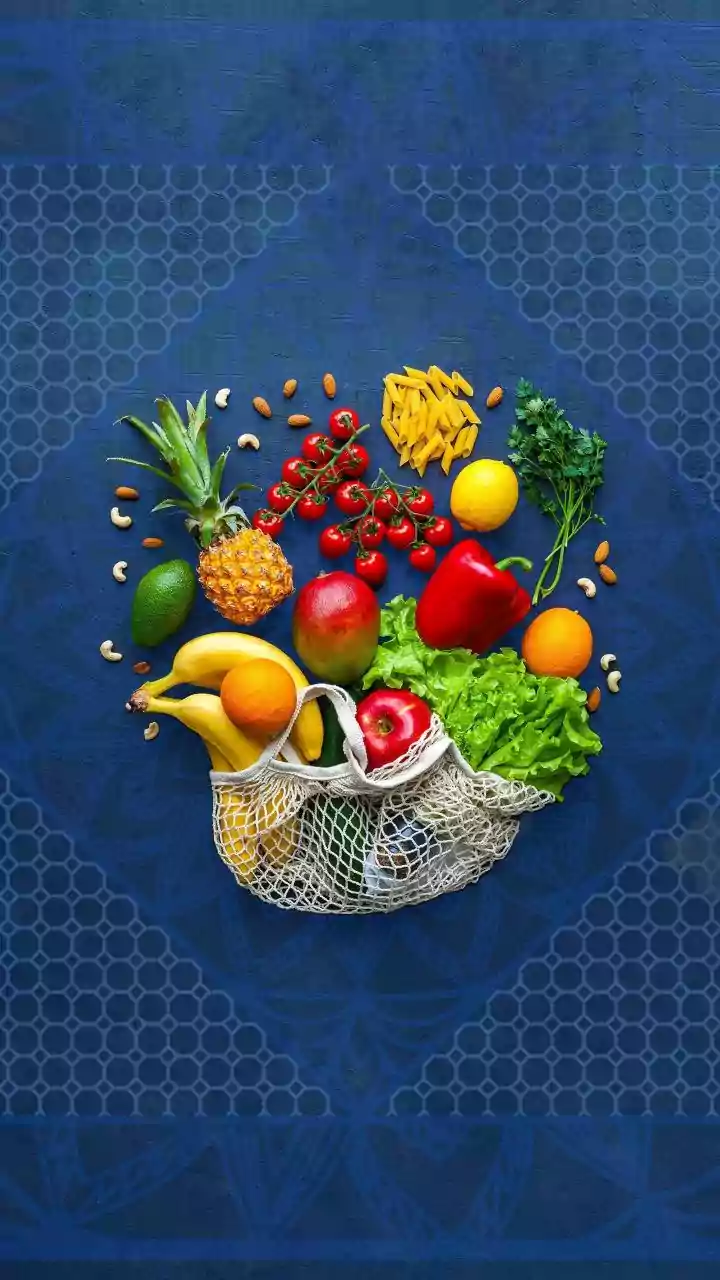
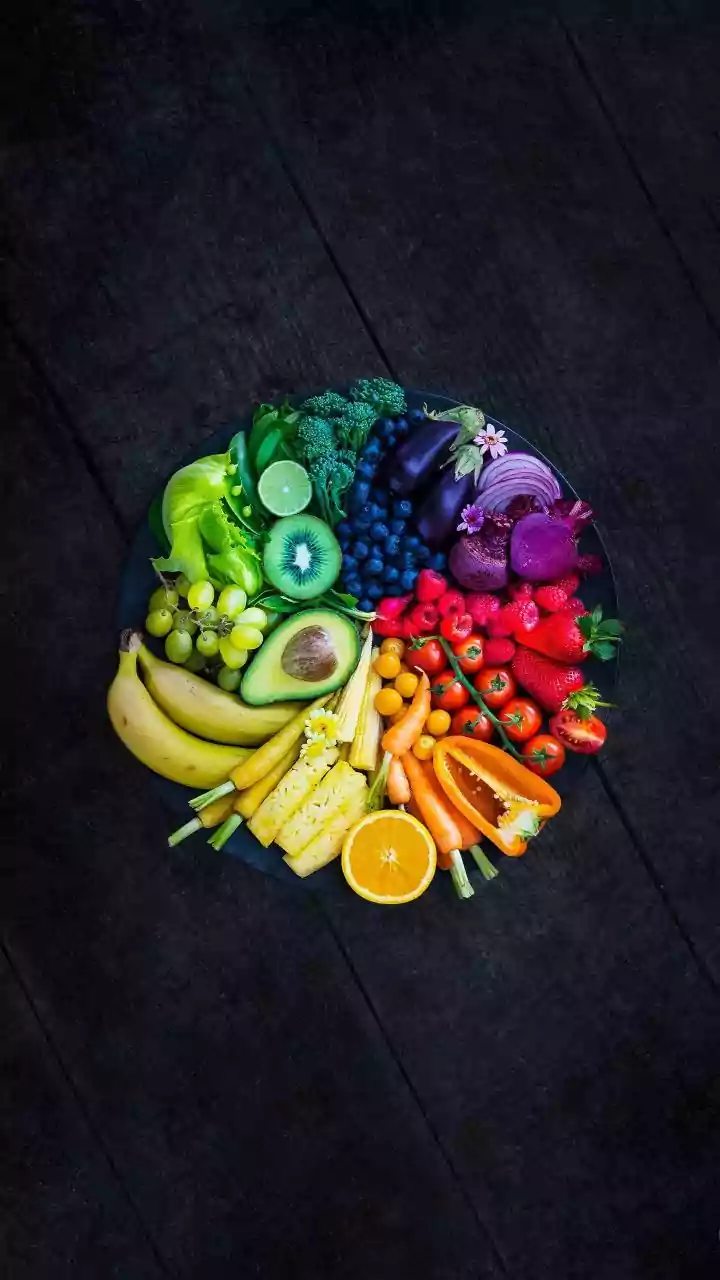
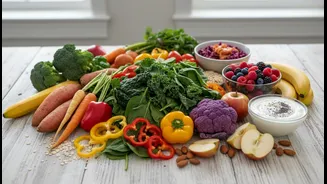
The best approach to boosting your prebiotic intake is to focus on variety. Different prebiotic fibres feed different types of good bacteria, so eating a wide range of plant-based foods is more effective than relying on one source. If you're not used to a high-fibre diet, it's wise to increase your intake gradually to allow your digestive system to adjust and avoid potential gas or bloating. Also, remember to drink plenty of water, as fibre needs water to move smoothly through your system. The goal isn't perfection, but a consistent habit of including these colourful and diverse foods in your daily meals.