




Plan Your Pandal Hopping by Zone
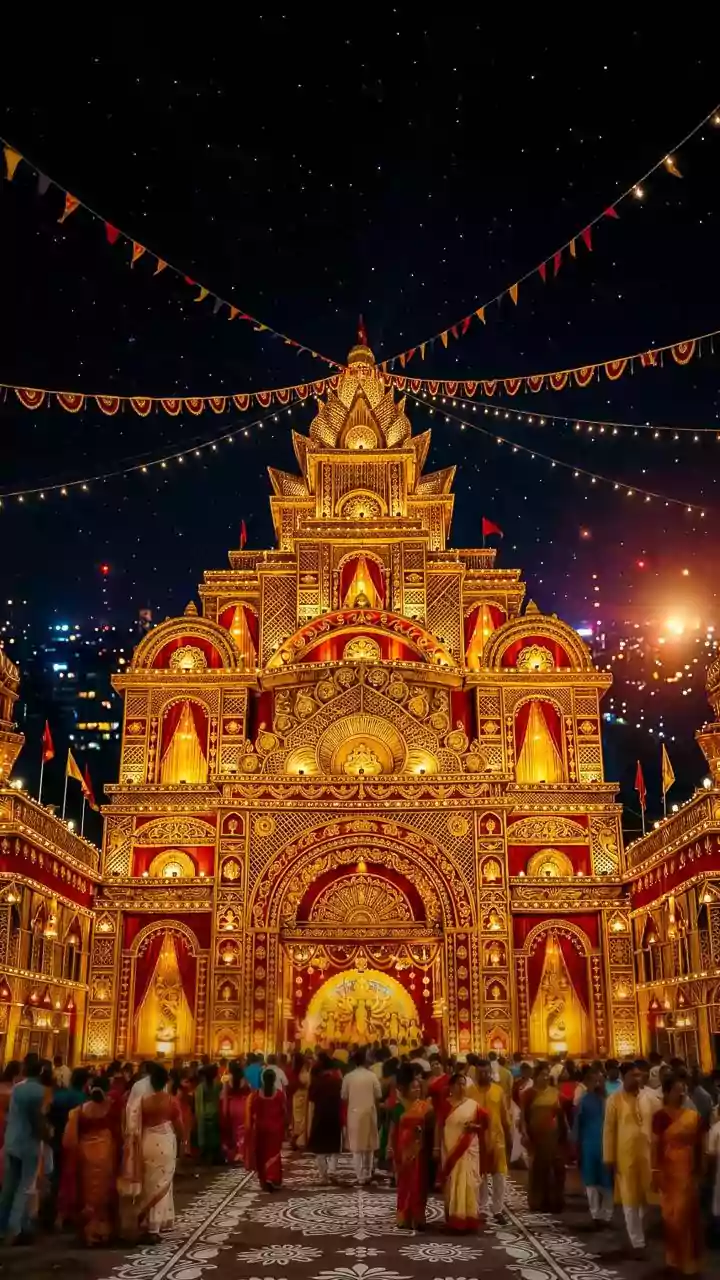
With thousands of pandals across the city, trying to see everything is impossible. The smartest strategy is to divide and conquer. Dedicate separate evenings to different zones to avoid spending hours in traffic. The city is broadly split into North,
Central, and South Kolkata, each offering a distinct flavour. Most major pandals open to the public a few days before the main festival begins on October 17, 2026, offering a chance to see the art with smaller crowds.
North Kolkata: A Walk Through Tradition
For a journey into the festival's heritage, North Kolkata is your destination. This area is famed for its traditional 'Bonedi Bari' pujas, held in the historic mansions of old aristocratic families like the Sovabazar Rajbari. These pujas are more intimate and focus on age-old rituals. Nearby, you'll find some of the city's oldest and most respected community pandals, such as Bagbazar Sarbojanin, which is celebrated for its classic idol and atmosphere. A visit to Kumartuli, the potters' quarter where the idols are sculpted, offers a fascinating glimpse into the craftsmanship that underpins the entire festival.
South Kolkata: The Spectacle of Theme Pandals
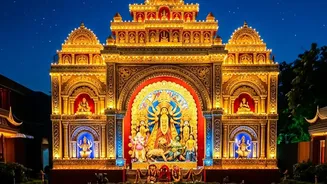
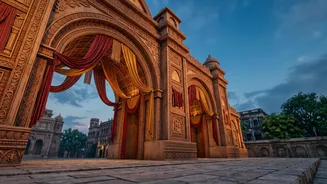
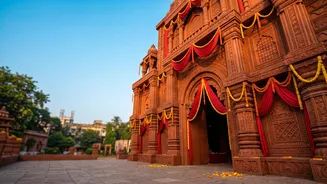
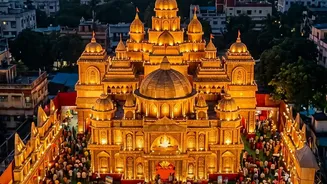
South Kolkata is the epicenter of contemporary, theme-based pandals. These are massive, elaborate installations created by clubs and communities, often drawing inspiration from global architecture, social issues, or mythology. Pandals like Ekdalia Evergreen, Tridhara Sammilani, and Suruchi Sangha are known for their breathtaking creativity and artistic ambition, transforming entire neighbourhoods into immersive experiences. While these draw huge crowds, especially in the evenings, their scale and innovation are a must-see part of the modern Durga Puja experience.
A Feast for the Senses: What to Eat
Durga Puja is as much a culinary festival as it is a religious one. The streets come alive with food stalls selling an incredible variety of snacks and meals. Don't leave without trying iconic street foods like phuchka (a local version of pani puri), kathi rolls, and ghugni (a spicy pea curry). For something more substantial, look for fish fry, particularly the Bhetki fish fry, or a plate of Kolkata-style biryani. And no Puja experience is complete without indulging in Bengali sweets ('mishti'), such as sandesh and mishti doi (sweet yogurt).
Beyond the Pandals: Cultural Immersion
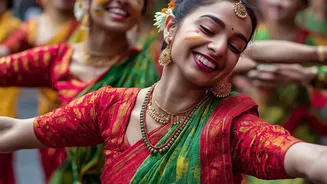
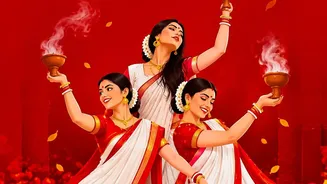
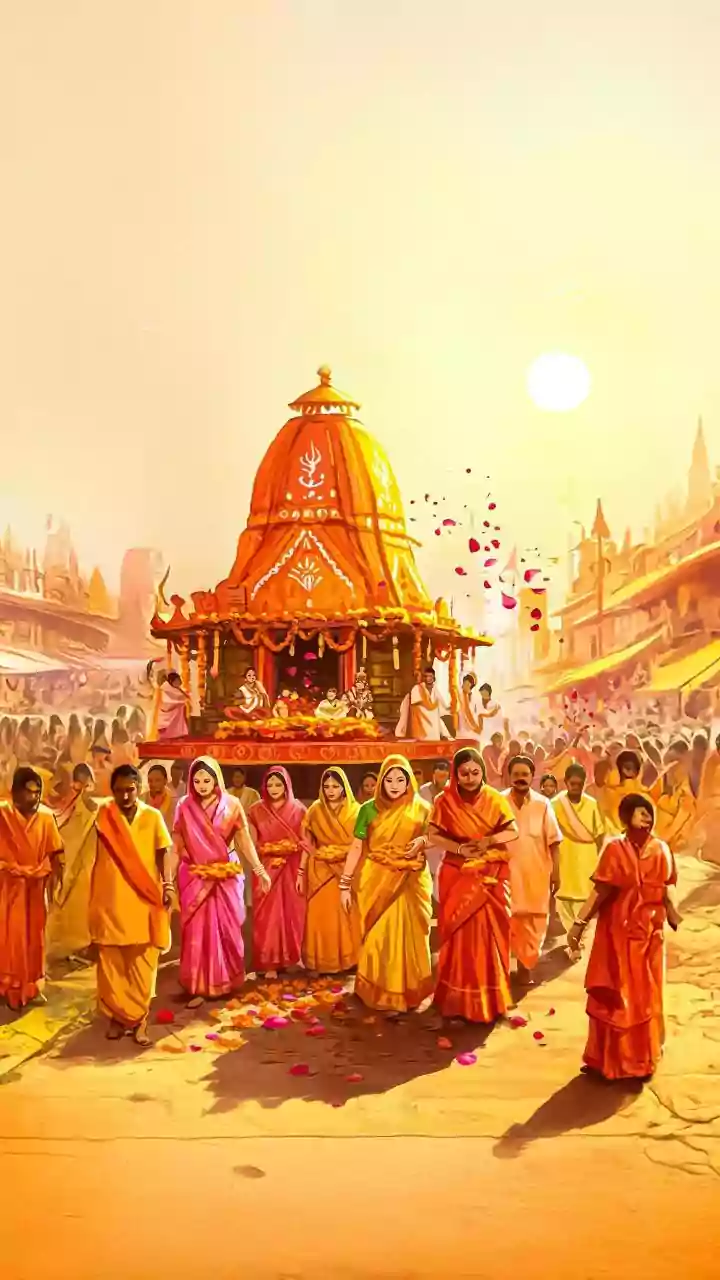
The spirit of Puja extends beyond the pandals themselves. Listen for the sound of the 'dhaak', the traditional drums that form the festival's heartbeat. Many pandals host cultural programs with music and dance. Witnessing the evening 'aarti' (prayer ceremony) or the 'dhunuchi naach' (a ritual dance with smoking incense burners) can be a powerful experience. The festival culminates with Vijaya Dashami on October 21, 2026, when the idols are taken in grand processions for immersion in the Hooghly River. This emotional farewell, known as 'Bhasan', is a spectacle of dance, music, and community spirit.
Pro Tips for Navigating the City
Navigating Kolkata during Puja requires patience and planning. The Metro is your best friend; it runs late into the night and is the most efficient way to travel between zones as many roads are closed or heavily congested. For shorter distances within a neighbourhood, walking is often fastest. Wear comfortable shoes, as you'll be on your feet for hours. It's also wise to visit popular pandals very early in the morning (around 8 AM) or late at night (after midnight) to avoid the peak rush. Carry cash, a power bank for your phone, and a water bottle.