



A Symphony of Autumnal Colour
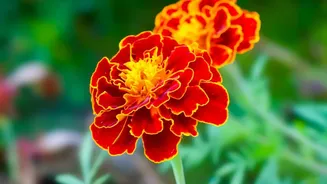
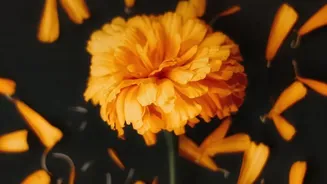
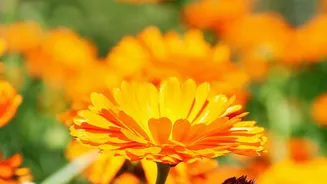
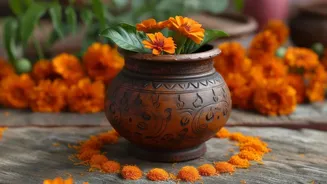
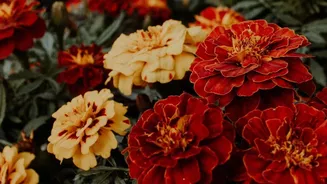
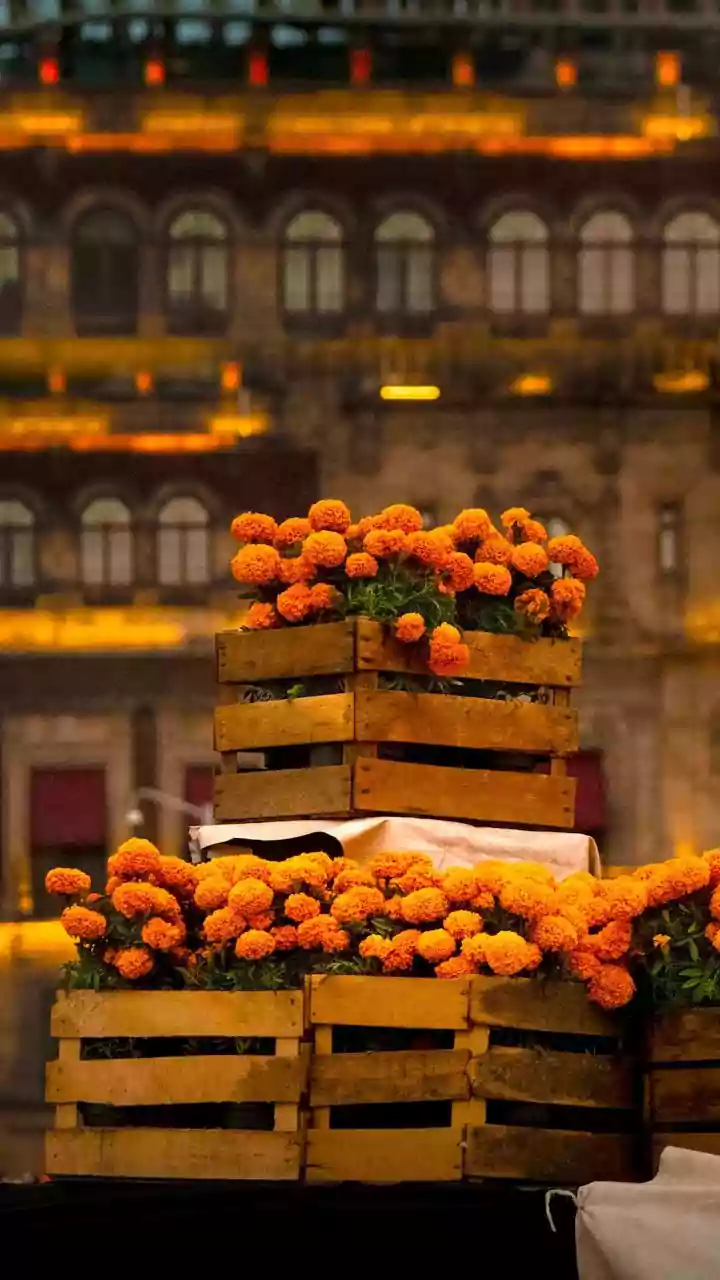
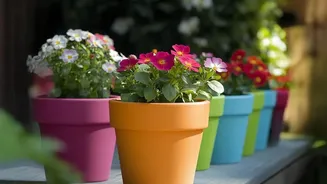
There's a reason these flowers dominate the autumn landscape. Marigolds, with their brilliant shades of sunshine yellow, fiery orange, and deep red, are like little bursts of bottled sunlight. They bring an unmatched vibrancy to balconies, pots, and garden
beds. Chrysanthemums, affectionately known as 'Guldaudi,' offer a more diverse and sophisticated palette. Available in nearly every colour imaginable—from pure whites and soft pinks to rich burgundies and regal purples—they provide endless possibilities for creating stunning visual displays that capture the warm, golden light of Indian autumn.
The Fragrance of Festivity
The scent of autumn in many parts of India is defined by the sharp, earthy fragrance of marigolds. It’s a smell that is deeply intertwined with the festive season, evoking memories of Dussehra and Diwali preparations. Garlands of marigolds are not just decorative; their distinct aroma is believed to purify the air and create a spiritually uplifting atmosphere. While many chrysanthemum varieties are not as pungent, some offer a subtle, clean scent that complements the marigold’s more robust fragrance, adding another layer to the sensory experience of a fall garden.
Perfect Timing for a Perfect Bloom
October is the horticultural sweet spot for planting these flowers in most parts of India. The soil, having been quenched by the monsoon, is moist and receptive to new seedlings. The harsh summer heat has subsided, and the cool, mild temperatures of the coming months are ideal for both marigolds and chrysanthemums to establish strong root systems and flourish. Planting in October ensures that the plants are ready to burst into full bloom right in time for the peak festive season, from late October through the winter months.
A Gardener’s Best Friend
Beyond their beauty, these flowers are hardworking garden allies. Marigolds are famous for being natural pest repellents. Their roots release compounds that can deter harmful nematodes in the soil, protecting not only themselves but also neighbouring vegetable plants like tomatoes and cucumbers. The strong scent of their leaves and flowers is also known to discourage pests like aphids and mosquitoes. This makes them a fantastic choice for organic gardeners looking to create a healthier, more balanced ecosystem without relying on chemical pesticides.
More Than Just Pretty Flowers
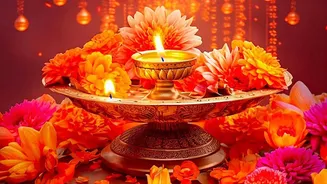
In India, marigolds and chrysanthemums are steeped in cultural and spiritual significance. Marigolds, or 'genda phool', are indispensable in religious ceremonies and festivals. They are offered to deities, woven into garlands to welcome guests, and used in wedding rituals, symbolising prosperity, happiness, and devotion. Chrysanthemums are also widely used in decorations, particularly during Diwali, where their abundant blooms are used to create beautiful 'torans' and decorate altars. Planting them is not just an act of gardening; it's a way of participating in a rich cultural tradition.
Getting Started: Simple Steps to Success
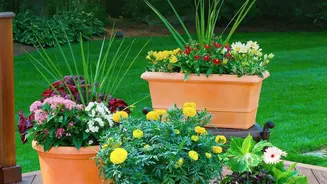
Both flowers are wonderfully low-maintenance, making them perfect for beginner gardeners. For best results, choose a spot that receives at least five to six hours of direct sunlight. Use well-drained soil, enriched with some compost. You can either sow seeds directly or, for a head start, purchase small saplings from a local nursery. Water them regularly, but be careful not to let the soil become waterlogged. A simple trick to get bushier plants with more flowers is to pinch off the top tips of young plants once they are a few inches tall. This encourages them to grow more branches, leading to a more abundant floral display.