




More Than Just a Sweet Exchange
During Diwali, the exchange of mithai is more than a custom; it's a gesture of goodwill, prosperity, and a prayer for auspicious beginnings. These sweets are first offered to deities like Goddess Lakshmi and Lord Ganesha as 'naivedya' or 'prasad' before
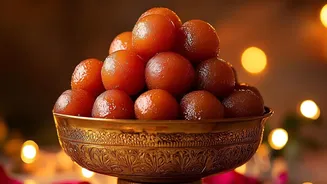
being shared among family and friends, strengthening community bonds. This tradition transforms every box of sweets into a symbol of shared joy and cultural legacy. While popular sweets like Kaju Katli and Gulab Jamun are ubiquitous, the festival also creates a crucial space for hyper-local, traditional sweets that tell the story of a region's unique culinary heritage.
A Culinary Map of Diwali
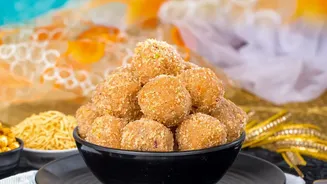
Diwali sweets are a delicious reflection of India's diversity. In Maharashtra, the festive platter, or 'faral', features treats like Anarsa, a delicate, crisp pastry made from fermented rice flour and jaggery that takes days to prepare. This slow, patient process is a tradition in itself, bringing families together. Travel north to Uttar Pradesh and Bihar, and you'll find Gujiya, a crescent-shaped fried pastry filled with sweetened khoya, nuts, and coconut. Though popular during Holi, Gujiya is also a Diwali staple, with families gathering for the ritual of rolling, stuffing, and crimping the edges. Down south, in Tamil Nadu, homes are filled with the aroma of Ukkarai, a traditional sweet made from lentils (dal) and jaggery. This crumbly, flavourful dessert is a cherished part of Diwali 'bakshanam' (sweets and snacks) and is a testament to the region's distinct palate.
The Artisans Behind the Flavours
The soaring demand for sweets during Diwali provides a vital economic lifeline for countless local sweet makers, or 'halwais'. For these small businesses and family-run shops, the festive season can account for a significant portion of their annual income. Many of these artisans are custodians of heirloom recipes passed down through generations, making sweets that require a level of skill and patience that mass-production cannot replicate. The process of making sweets like Anarsa, for example, involves soaking rice for days, a testament to the dedication involved. By choosing to buy from local vendors, consumers are not just purchasing a product; they are investing in the preservation of craftsmanship and supporting a parallel economy that sustains communities.
Tradition in a Modern World
In an era of mass-produced chocolates and modern confections, many regional sweets face the risk of being forgotten. Sweets that require complex, time-consuming preparation are made less frequently, and some are now considered rare. However, the Diwali season acts as a powerful counterforce. The festive demand incentivises sweet makers to continue producing these traditional delicacies. Furthermore, a renewed interest in regional heritage and healthier eating has prompted innovation. Many sweet makers are now offering versions with jaggery instead of sugar, using millets, or creating vegan options to appeal to modern consumers, ensuring that these traditions adapt and thrive. This blend of old and new helps keep the story of India's regional sweets alive for the next generation to savour.