



Your Phone is a Pocket Planetarium
At their core, stargazing apps transform your smartphone into a powerful and portable guide to the heavens. They achieve this by cleverly combining several pieces of technology already built into your device. Most apps use your phone's GPS to determine
your exact location on Earth. This allows them to generate a precise map of the sky as it appears right above you. Simultaneously, the internal compass and gyroscope track the exact direction and angle you're holding your phone. When you point your device towards a bright dot in the sky, the app calculates what should be in that specific spot from your vantage point, instantly identifying it for you.
Augmented Reality Brings the Stars Down to Earth
The real magic happens with a feature called augmented reality, or AR. Many leading apps use your phone's camera to show you the real-world view and then overlay a digital star map on top of it. This means you see the sky through your screen, but with helpful additions. Constellation lines are drawn to connect the dots, stars and planets are labeled with their names, and satellites like the International Space Station are tracked as they glide by. This AR overlay removes the guesswork, making it incredibly intuitive to learn the patterns in the sky, even if you’ve never been able to spot the Big Dipper before.
Cutting Through the Urban Glow
City lights, or light pollution, are the biggest challenge for urban astronomers. While an app can't make the sky physically darker, it can help you focus on what is visible. Some apps include features to adjust for light pollution by filtering out fainter stars from the on-screen display. By increasing the 'magnitude' setting, the app declutters the map to show only the brightest objects, which are the ones you have a realistic chance of seeing from a built-up area. This helps you avoid the frustration of searching for a faint constellation that is completely washed out by city glow, and instead guides your eyes directly to the celestial objects that can punch through the light pollution.
What You Can Actually Spot From a City
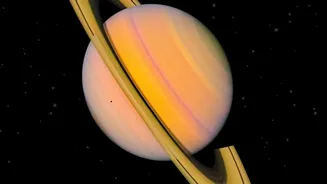
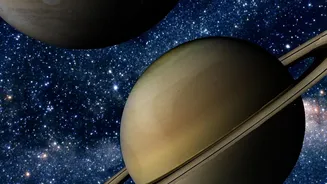
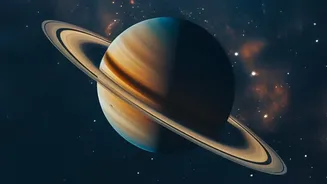
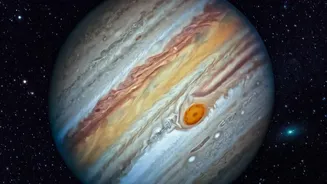
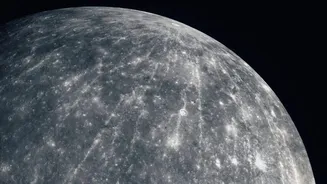
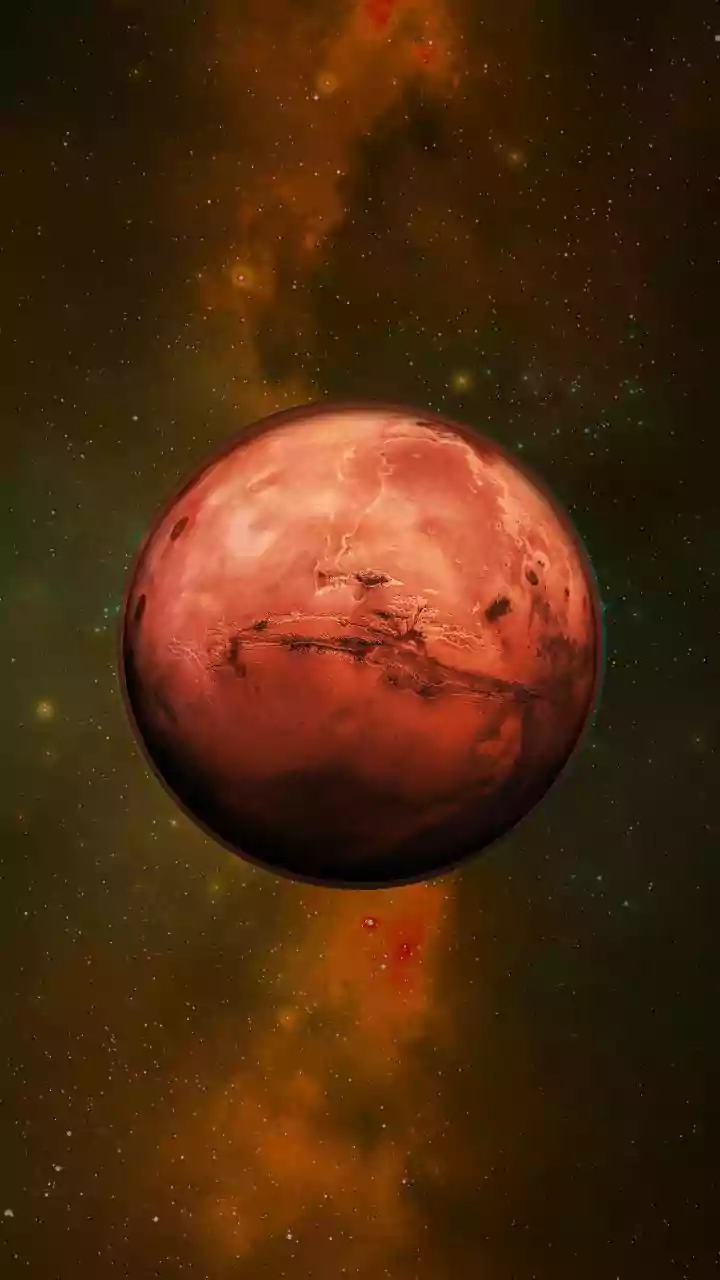
You don't need a professional telescope, or even a fancy pair of binoculars, to begin your astronomical journey. Five planets—Mercury, Venus, Mars, Jupiter, and Saturn—are often bright enough to be seen with the naked eye, even from within a city. These planets don't twinkle as intensely as stars, often appearing as steady, bright points of light. Venus is typically the most brilliant, often called the 'Evening Star' or 'Morning Star' because of its visibility around sunset or sunrise. Jupiter and Saturn are also common sights. During September 2026, for example, Saturn is easily visible for most of the night, while Mars and Jupiter can be spotted before sunrise. An app can tell you exactly which direction to look and at what time, distinguishing them from the countless other stars.
Popular Apps to Get You Started
The good news is that many of the best apps are either free or very affordable. Star Walk 2 is often recommended for beginners due to its beautiful visuals and user-friendly interface. SkyView is another popular choice, praised for its simple point-and-identify functionality and ability to work without a Wi-Fi or GPS signal, making it great for any location. For those who want more realistic and detailed sky maps, Stellarium Mobile is a powerful planetarium simulation that's highly regarded by both amateurs and experienced observers. Most offer free versions, allowing you to try them out before deciding if you want to unlock more advanced features.