

The Golden Glow: Turmeric (Haldi)
A staple in every Indian spice box, turmeric (haldi) is prized for its anti-inflammatory and antioxidant properties, thanks to its active compound, curcumin. In skincare, this translates to an ingredient that can help calm redness, reduce the appearance
of acne scars, and impart a natural brightness to the skin. For a simple face pack, mix a pinch of turmeric with a tablespoon of yogurt or honey to form a paste. Apply it to your face, leave it on for about 10-15 minutes, and rinse thoroughly. Be mindful, however, as turmeric can temporarily stain the skin and clothes a light yellow.
The Gentle Cleanser: Gram Flour (Besan)
For generations, gram flour (besan) has been the cornerstone of the traditional ubtan, a paste used for cleansing and exfoliating. Its finely milled texture allows it to gently slough away dead skin cells and absorb excess oil without the harshness of some commercial scrubs. This makes it effective for managing oily skin and helping to keep pores clean, which can reduce blackheads and breakouts. To use, mix besan with rose water or milk to create a smooth paste. Apply it evenly, and either wash it off once it’s semi-dry or gently scrub it off in circular motions. Those with very dry skin should use it cautiously.
Nature’s Moisturiser: Honey
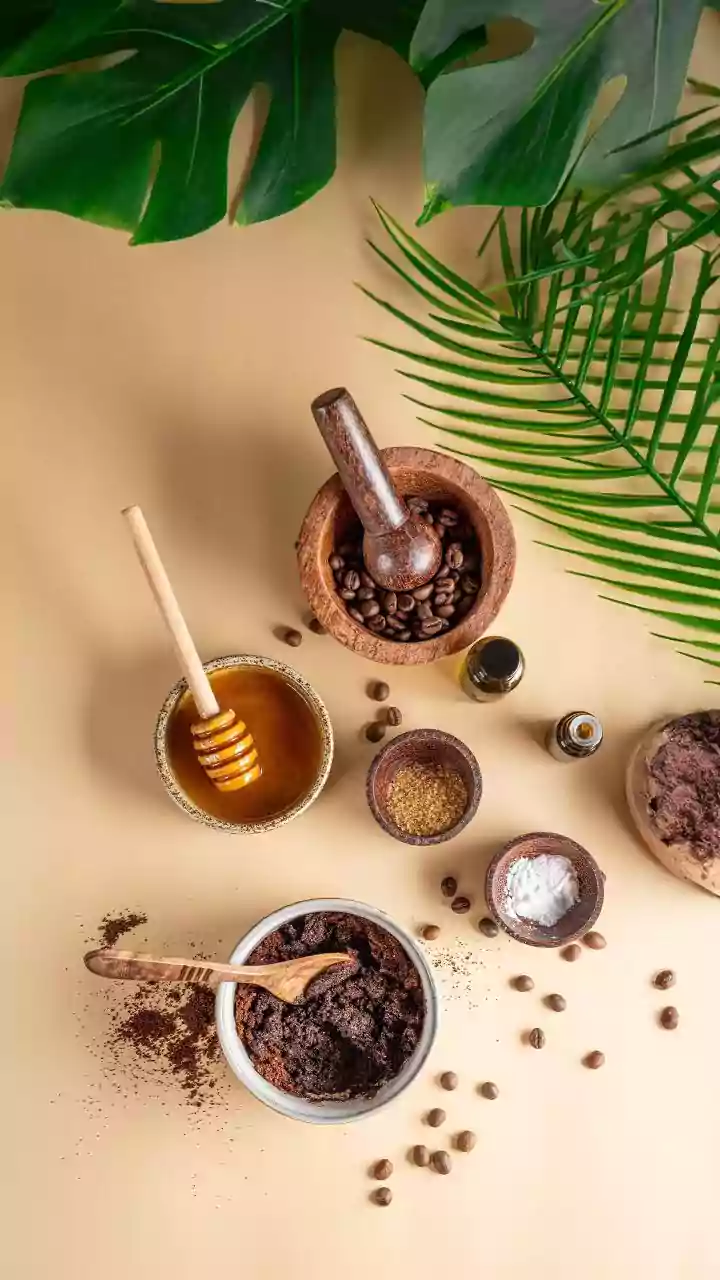
Valued for centuries in traditional medicine, honey is a natural humectant, meaning it draws moisture into the skin and helps retain it. This makes it an excellent ingredient for hydrating dry skin. Additionally, raw honey possesses natural antibacterial and anti-inflammatory properties, which can be beneficial for calming irritated skin and managing acne-prone complexions. It can be applied as a spot treatment on blemishes or used as a soothing face mask on its own or mixed with other ingredients like turmeric. When purchasing, look for raw, unprocessed honey to get the most benefits.
The Soothing Saviour: Oats
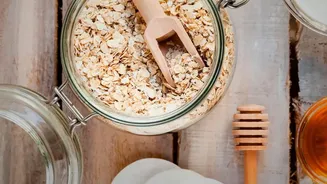
More than just a healthy breakfast, oats are a powerhouse for soothing irritated and sensitive skin. Colloidal oatmeal, which is finely ground oats suspended in liquid, is known to have anti-inflammatory and protective qualities that can help relieve itching and redness associated with conditions like eczema and dry skin. Oats contain compounds like avenanthramides that help reduce inflammation, while starches and beta-glucans create a barrier that locks in moisture. For a calming treatment, grind regular oats into a fine powder, mix with warm water to form a paste, and apply to the skin for 10-15 minutes.
The Lactic Acid Polish: Yogurt (Dahi)
Plain yogurt, or dahi, is another kitchen staple that offers significant skincare benefits. It is a natural source of lactic acid, a gentle alpha-hydroxy acid (AHA) that helps exfoliate the skin by dissolving dead skin cells. This process reveals a brighter, more even-toned complexion underneath. The probiotics in yogurt can also help balance the skin's microbiome, while its protein and fat content provide moisture and nourishment. Applying a thin layer of plain yogurt as a quick face mask 2-3 times a week can help improve skin texture and hydration. Its cooling effect also makes it incredibly soothing.
A Word of Caution Before You Begin
While using natural ingredients is appealing, it's not without risks. What works for one person might cause irritation for another. Some ingredients, like lemon juice, are highly acidic and can cause photosensitivity or even chemical burns. It is crucial to always perform a patch test on a small area of your skin before applying any new ingredient or mixture to your entire face to check for allergic reactions or sensitivity. Remember that DIY remedies are for general skincare and not a cure for persistent medical conditions like severe acne or eczema, which require a dermatologist's care.