




Why You Should Compost
Composting is nature's recycling program, and it's one of the most effective ways to live more sustainably. When food scraps are sent to landfills, they decompose without oxygen and release methane, a potent greenhouse gas. By composting them at home,
you not only reduce your household's carbon footprint but also create a free, nutrient-dense soil amendment. This homemade 'black gold' improves your soil's structure, helps it retain water, and provides a slow release of essential nutrients to your plants, eliminating the need for chemical fertilisers. Your potted plants will develop stronger roots, show richer leaf colour, and become more resilient to stress.
Gathering Your Ingredients: Greens and Browns
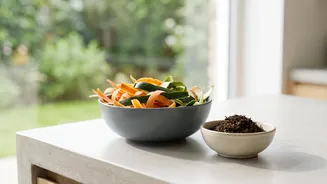
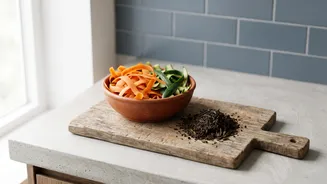
A healthy compost pile requires a balance of two types of materials: 'greens' and 'browns'. 'Greens' are nitrogen-rich materials that provide protein for the tiny microbes doing all the decomposition work. This category includes your kitchen vegetable peels, fruit scraps, coffee grounds, and, of course, used tea leaves. 'Browns' are carbon-rich materials that provide energy for the microbes and add bulk to your pile, preventing it from becoming slimy and smelly. Common 'browns' include dried leaves, shredded newspaper, non-glossy cardboard, and cocopeat. A good rule of thumb is to aim for a ratio of roughly one part 'greens' to two or three parts 'browns'.
What to Compost (and What to Avoid)
While vegetable peels and tea leaves are excellent for your compost, not all kitchen waste is suitable. Stick to plant-based scraps for the best results. What to add: All fruit and vegetable peels, cores, and ends. Crushed eggshells add valuable calcium. Used tea leaves and coffee grounds are fantastic nitrogen sources. Just be sure to remove any staples or synthetic mesh from tea bags. What to avoid: Do not add meat, fish, bones, dairy products, or oily and greasy foods. These items can create foul odours and attract unwanted pests like rodents and flies. Also, keep out pet waste and any diseased plants from your garden.
Choosing a Simple Home for Your Compost
You don't need a large backyard to start composting. For an apartment or small home, a simple DIY bin is perfect. Take a medium-sized plastic storage bin or even a sturdy bucket with a lid. Drill several holes around the upper sides and on the lid to allow for air circulation, which is critical for the decomposition process to happen without bad smells. Place the bin on a tray to catch any moisture that might leak out. Find a convenient, shady spot for it on your balcony or in a utility area. This simple setup is all you need to start converting your kitchen waste into valuable compost.
Step-by-Step: Building Your Compost Pile
Once your bin is ready, it's time to build your pile in layers. Start with a base layer of 'browns' like shredded newspaper or cocopeat to absorb excess moisture. Next, add a layer of your 'greens'—the vegetable peels, tea leaves, and other kitchen scraps. Top this with another layer of 'browns'. Continue alternating these layers until your bin is about three-quarters full. Lightly sprinkle the pile with water; it should be as damp as a wrung-out sponge, not soaking wet. Too little water will slow things down, while too much can make it smelly. Finally, you can add a thin layer of soil or finished compost on top to introduce the beneficial microbes that will kickstart the process.
Maintaining Your Bin and Harvesting the Compost
Composting requires a little patience and minimal maintenance. Every week or so, use a small rake or trowel to turn and mix the contents of the bin. This aerates the pile, providing the oxygen microbes need and preventing odours. Continue adding your kitchen scraps by burying them in the centre of the pile and covering them with 'browns'. In two to three months, you'll notice the materials have transformed into a dark, crumbly substance that smells earthy, like a forest floor. This is your finished compost, ready to be used. If some larger pieces remain, you can simply sift them out and return them to the bin for the next batch.
How to Use Your Homemade 'Black Gold'
Your finished compost is a versatile powerhouse for all your home plants. You can use it as a top dressing by spreading a thin layer (about 1 cm) on the soil surface of your potted plants. When repotting, you can create a supercharged potting mix by blending your compost with soil. A ratio of one part compost to four parts potting soil is a great starting point for most houseplants. The compost will continue to release nutrients slowly, improve water retention in the pot, and promote a healthy root system, leading to visibly happier and more vibrant plants.