



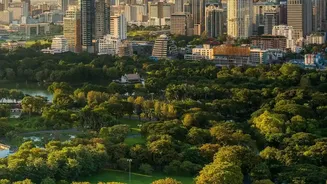
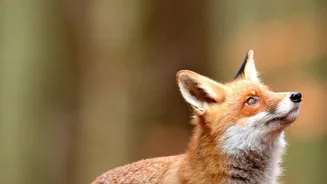
When we think of wildlife, we often picture remote forests and sprawling national parks. But look closer. Our bustling cities are teeming with animals who have adapted to the concrete jungle, offering a new perspective on what it means to be wild.
The New Concrete Jungle
The
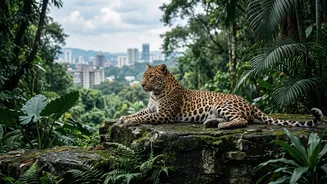
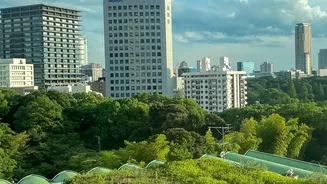
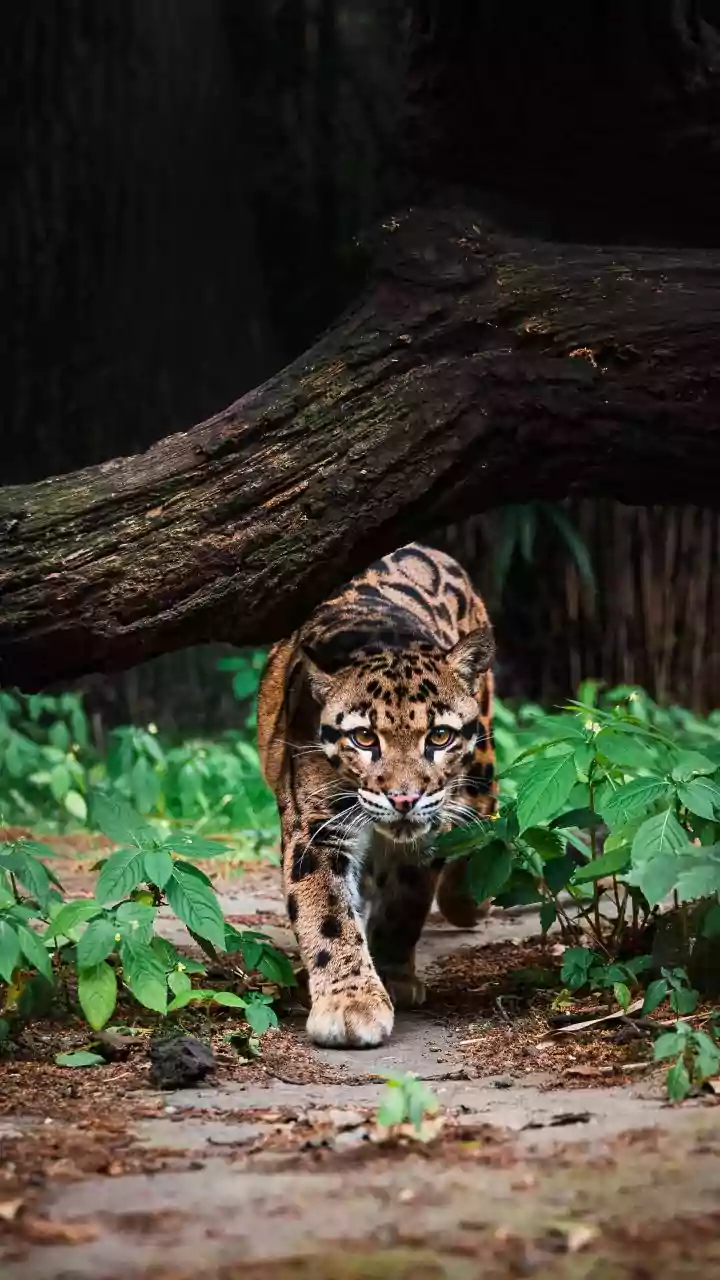
idea of a city as an ecosystem might seem strange, but it is a reality. Beyond the familiar sights of pigeons and crows, a surprising diversity of wild animals has made our urban centres their home. This isn't just about a few stray animals; it’s about stable, breeding populations. In Mumbai, the Sanjay Gandhi National Park, a vast forest located within city limits, is home to one of the world's densest leopard populations. A 2024 survey identified at least 54 leopards living and thriving in this urban landscape. Similarly, Delhi's green patches, like the Asola Bhatti Wildlife Sanctuary, provide refuge for the Nilgai, Asia's largest antelope and the city's state animal. Rhesus macaques are a common sight in the capital, while palm civets and even Bengal foxes have been known to navigate the bylanes of Kolkata. This phenomenon, where wild species live alongside humans in man-made environments, is forcing us to rethink where nature truly begins and ends.
Survival of the Most Adaptable
Thriving in a city is no easy feat for an animal. It requires a remarkable ability to adapt to a world of noise, artificial lights, and constant human presence. Many successful urban species are generalists, capable of adjusting their behaviour to exploit new opportunities. Some animals, like leopards, shift their activity to become more nocturnal to avoid human traffic. Their diet also changes; studies in Mumbai show that stray dogs form a significant part of the urban leopard's diet. Birds in noisy urban areas have been observed changing the frequency and timing of their songs to be heard over the city's din. Animals also learn to navigate man-made structures, using railway lines, drainage pipes, and abandoned lots as corridors to move unseen. This behavioural flexibility is key to their survival, allowing them to find food in garbage bins, seek shelter in old buildings, and learn which humans to avoid.
A Tightrope Walk of Coexistence
The relationship between humans and urban wildlife is a complex mix of conflict and coexistence. As cities expand into natural habitats, encounters become more frequent, and not always for the better. Crop-raiding by monkeys and nilgai, or leopard attacks on livestock and even people, highlight the friction that can arise when resources and space are shared. These conflicts are often a direct result of habitat fragmentation and the loss of natural corridors that animals traditionally use. However, there are also significant benefits. The presence of wildlife in cities provides a crucial connection to nature for urban residents, which studies show can reduce stress and improve overall wellbeing. Predators like leopards can even provide an unexpected service by controlling populations of stray dogs, which can be a source of rabies. Finding a balance where both humans and animals can live together safely is one of the biggest challenges for urban planners and conservationists today.
Rethinking the 'Wild'
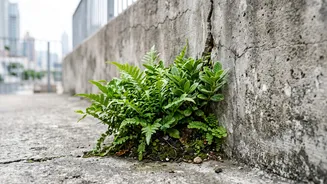
The presence of these animals challenges our traditional definition of 'wildlife' as something separate from human society. The wild is not just in faraway, untouched landscapes; it is right here, in our backyards and on our streets. Urban animals blur the line between domesticated and wild. They are not pets, but they are no longer entirely separate from the human world either. Their ability to adapt and survive proves that nature is resilient and can find a foothold even in the most altered environments. This perspective encourages a shift in conservation thinking, from focusing solely on preserving pristine wilderness to also managing and nurturing the biodiversity that exists within our cities. Recognising cities as legitimate ecosystems is the first step towards creating urban environments that are more hospitable for all their inhabitants, human and non-human alike.
The Future of Urban Ecosystems
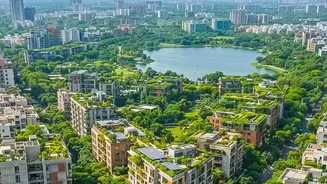
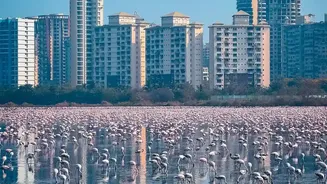
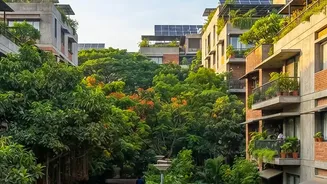
As India's cities continue to grow, fostering a peaceful coexistence with wildlife becomes increasingly critical. The solution lies in smart, compassionate urban planning. This includes creating and maintaining green corridors—networks of parks, green roofs, and even something as simple as a line of street trees—that allow animals to move safely between larger green patches. Protecting existing urban forests and wetlands is equally crucial, as they provide vital habitats and ecological services like air purification and flood control. Improving waste management can reduce a key attractant for many animals, thereby lowering the chances of negative interactions. Ultimately, building sustainable cities requires us to see them not just as places for people, but as shared spaces where nature has a role to play. By advocating for green infrastructure and learning to appreciate our wild neighbours, we can ensure our cities remain vibrant and biodiverse for generations to come.