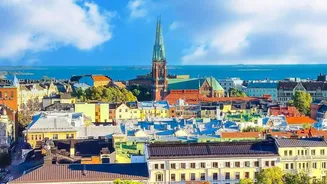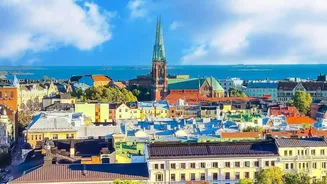





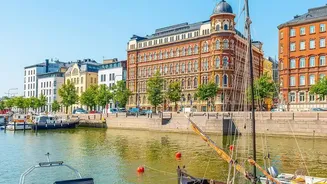

Helsinki has a reputation for being pricey, but it's also a masterclass in smart, accessible urban design. This guide uses the Finnish capital to show how a simple, repeatable strategy can unlock any expensive city on a friendly budget.
The Foundation: Walk, Ride, and Save
The secret to budget
travel in Helsinki lies in its two greatest assets: a compact, walkable city core and a world-class public transport system (HSL). Most of the main sights are clustered in the southern part of the city, easily connected on foot. For anything further, the network of trams, buses, and the metro is your best friend. Instead of paying for individual journeys, a day ticket is exceptional value. An AB zone day ticket covers the entire central city, including the ferry to the Suomenlinna sea fortress, for unlimited travel. As of late 2026, a one-day AB ticket costs significantly less than two or three single fares, making it a clear first step in any budget plan. You can purchase these from the HSL app or from kiosks and machines around the city. This combination of walking and a single daily transport pass forms the backbone of an affordable and flexible itinerary.
Anchor Your Days with Free Attractions
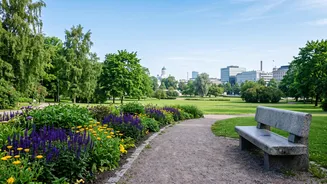
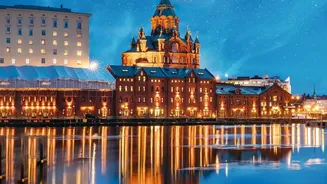
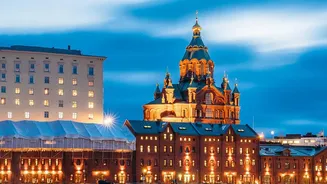
Helsinki is rich with architectural and cultural highlights that cost nothing to experience. You can build a full, rewarding day entirely around these free sights. Start at the iconic Senate Square to see the magnificent Helsinki Cathedral. From there, it's a short walk to the waterfront Market Square (Kauppatori) and the beautiful red-brick Uspenski Cathedral. Stroll through the elegant Esplanadi park, known as the green heart of the city. For a dose of modern design, visit the stunning Oodi Central Library, a public 'living room' with amazing architecture, free entry, and great views from its top-floor balcony. The Kamppi Chapel of Silence offers a unique moment of calm in the city centre. These free attractions aren't just fillers; they are central to the Helsinki experience and should form the core of your plan.
Choose Your 'Splurge' Wisely
A budget plan doesn't mean you have to miss out on paid attractions, but it does require being selective. Rather than buying an expensive city card that pressures you to rush between museums, a better strategy is to pick one or two places that genuinely interest you and pay for them separately. A prime example is the Suomenlinna sea fortress, a UNESCO World Heritage site. While the island itself is free to enter, the museums on it have admission fees. The ferry ride, however, is included in your HSL day ticket, making the journey part of your budget transport plan. Other potential splurges could be the Temppeliaukio Church (the 'Rock Church'), which has a modest entrance fee, or one of the major art museums like Kiasma or Ateneum, which can cost around €20-€22 for admission. By limiting your paid activities, you save money and have more time to truly enjoy the one or two you choose.
Eat Smart, Not Just Cheaply
Eating out in Helsinki can be expensive, but you don't have to survive on supermarket sandwiches. The key is to eat like a local. For lunch, look for 'lounas' deals—weekday lunch buffets or set menus offered between 11 a.m. and 2 p.m. at a fraction of evening prices. The city's market halls, like the Old Market Hall (Vanha Kauppahalli) and Hakaniemi Market Hall, are treasure troves of affordable and delicious food. Here, you can try local specialities like creamy salmon soup ('lohikeitto') or fried vendace ('paistetut muikut') from food stalls for around €10–€15. Grabbing a coffee and a famous Finnish cinnamon roll ('korvapuusti') is another authentic and budget–friendly treat. These options offer a real taste of Finland without the hefty restaurant bill.
Your Universal Budget Blueprint
The Helsinki method provides a simple blueprint for exploring almost any city affordably. First, master the transport system by identifying the best value day–pass or multi–day ticket and combining it with walking. Second, research and build your itinerary around the city's best free attractions—parks, public squares, architectural landmarks, and free–entry museums. Third, be selective with paid attractions. Pick one must–see 'splurge' per day rather than trying to do everything. Finally, avoid tourist–trap restaurants by seeking out market halls, lunch specials, and local bakeries. By following this framework, you prioritize experience over expense, ensuring a richer, more authentic trip that is also kind to your wallet.