


The Hidden Dangers of a Damp Coat
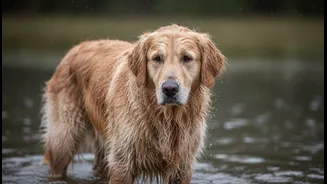
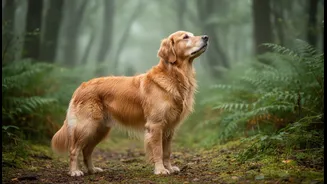
Especially during the monsoon season, a dog drenched in rain is a common sight. While it may seem harmless, that lingering dampness, particularly in dogs with dense, double coats, creates the perfect warm, humid environment for fungi to thrive. Fungal
dermatitis, often caused by an overgrowth of yeast like Malassezia, can lead to significant discomfort for your pet. This condition isn't just a minor inconvenience; it causes intense itching, inflammation, and can lead to secondary bacterial infections if left untreated. The very nature of a thick coat is to trap air for insulation, but when wet, it traps moisture against the skin, kickstarting a cycle of irritation and infection.
Why Your Towel Isn't Winning the Fight
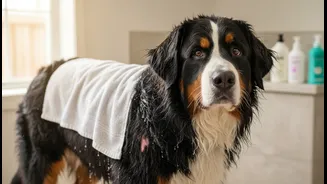
While a vigorous towel rub-down seems like the logical first step, it's often not enough for dogs with substantial fur. Towels are great at removing surface water, but they struggle to penetrate the dense undercoat where the real danger lies. For breeds like Golden Retrievers, German Shepherds, and Huskies, the outer fur might feel dry to the touch, but the undercoat can remain damp for hours. In fact, aggressive rubbing with a towel can sometimes do more harm than good by creating tangles and mats, which further trap moisture and reduce air circulation to the skin. Think of the undercoat as a sponge; a towel can only blot the surface, leaving the core saturated.
Breeds That Need Extra Attention
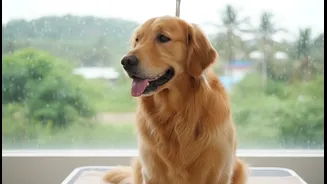
While any dog can develop a skin issue, some breeds are genetically more susceptible, especially in humid climates. Breeds with thick double coats are at the top of the list. This includes favourites in India like Golden Retrievers, Labradors, German Shepherds, St. Bernards, and the Indian Spitz. Their luxurious fur is designed for colder, drier climates and becomes a liability in persistent dampness. Additionally, breeds with numerous skin folds, such as Pugs and Bulldogs, are also at high risk because moisture can easily become trapped in those folds, leading to irritation and infection.
The Right Way to Dry Your Dog
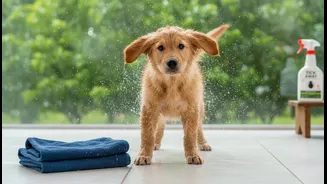
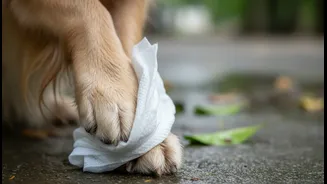
Proper drying is not just a grooming step; it's preventative healthcare. Start with a highly absorbent microfiber towel. Instead of rubbing, which can cause matting, use a firm patting and squeezing motion to remove as much excess water as possible. For truly effective drying on thick coats, a high-velocity pet dryer is a game-changer. Unlike human hairdryers, these devices use powerful airflow, not high heat, to safely blow water out of the undercoat. Introduce the dryer slowly, keeping it on a cool setting and always moving to prevent concentrating air in one spot. Work in sections and brush the coat as you dry to separate the fur and allow air to penetrate deeply. The goal is to dry the skin, not just the hair on top.
Spotting the Early Warning Signs
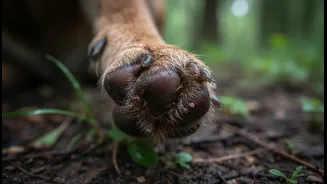
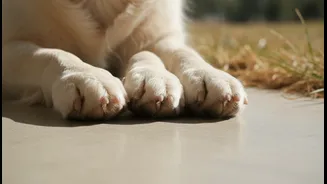
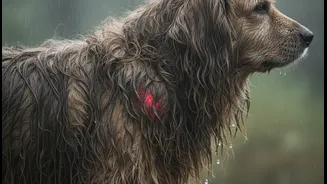
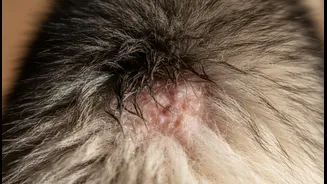
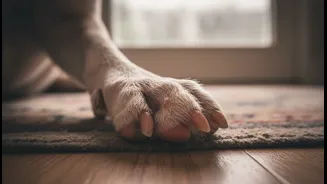
Vigilance is key. If a fungal infection is starting, you may notice your dog obsessively scratching, licking, or chewing at a specific area. Look for signs like redness, flaky or crusty skin, and sometimes a distinct, musty odour. Affected areas might include the paws, armpits, groin, and around the ears—places where moisture tends to collect. You may also see hair loss or the skin appearing thickened, a condition sometimes referred to as 'elephant skin'. Catching these signs early can prevent a minor irritation from becoming a major veterinary issue.