






Decoding Zone 2: The 'Forever Pace'
Forget the 'no pain, no gain' mentality. Zone 2 training is about exercising at a low-to-moderate intensity, specifically at 60% to 70% of your maximum heart rate. It's often called the 'conversational pace' because you should be able to hold a full conversation without
gasping for breath. Think of it as an effort you could maintain for a very long time. This approach shifts the focus from gruelling, high-intensity intervals to building a solid aerobic foundation, which is crucial for long-term health, endurance, and resilience. It’s the sweet spot where your body becomes incredibly efficient at its job.
Finding Your Zone Without the Gadgets
You don't need a fancy heart rate monitor to find your Zone 2, although they can provide helpful data. The simplest method is the 'talk test'. If you can speak in complete sentences comfortably while exercising, you're likely in the right zone. If you're singing, you're probably in Zone 1. If you can only manage a few words at a time, you've pushed into Zone 3 or higher. For those who prefer numbers, a common formula to estimate your maximum heart rate is 220 minus your age. You would then calculate 60-70% of that number to find your target heart rate range for Zone 2. For a 35-year-old, this would be a heart rate between 111 and 130 beats per minute.
The Surprising Benefits of Going Slow
The magic of Zone 2 lies in its cellular-level benefits. At this intensity, your body becomes a master at using fat for fuel instead of relying on more limited carbohydrate stores. This process improves your metabolic health and helps with weight management. This type of training also increases the number and efficiency of your mitochondria—the tiny powerhouses inside your cells responsible for generating energy. Stronger mitochondria mean more energy for everything you do, reducing daily fatigue. Furthermore, because it's a lower-impact activity, Zone 2 training is kinder to your joints and carries a much lower risk of injury, making it a sustainable practice for people of all fitness levels.
Making It Work: Low-Intensity Cycling
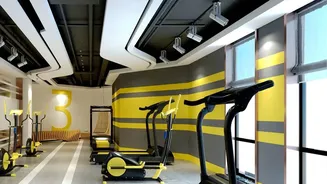
Cycling is a fantastic way to hit your Zone 2 target. On a stationary bike, you can set a moderate resistance and pedal at a consistent pace of around 70-90 RPM. This is a perfect option for avoiding traffic, pollution, or extreme weather. You can listen to a podcast or even take a work call. If you prefer cycling outdoors, focus on maintaining a steady speed on flat terrain rather than tackling steep hills. The goal isn't to race, but to keep your heart rate in that gentle, conversational zone. Start with sessions of 20-30 minutes a few times a week and gradually increase the duration as you feel more comfortable.
The Power of a Purposeful Walk
Walking is perhaps the most accessible form of Zone 2 exercise. However, a leisurely stroll won't quite cut it. To elevate your walk into a workout, you need to increase the pace. Aim for a brisk walk, covering a kilometre in about 10-12 minutes. Your arms should be swinging, and you should feel your heart rate gently rise. To add intensity without breaking into a run, find a route with a slight incline or use the incline feature on a treadmill. This simple adjustment can push your heart rate into the target zone while remaining a low-impact activity. Just like with cycling, consistency is key.
Integrating Fitness into the 9-to-5
For desk workers, the biggest hurdle is time. The beauty of Zone 2 is its flexibility. A brisk 30-minute walk during your lunch break can be a perfect session. Or, try a 45-minute stationary bike ride before you start your workday. You can also break it up: a 15-minute walk in the morning, another at lunch, and a final one after work. The cumulative effect is what matters. Schedule these sessions into your calendar just like any other meeting. By making it a non-negotiable part of your routine, you transform exercise from a chore into an essential, energising part of your day.