




A Flash of Blue Amidst the Grey
The Indian monsoon is a season of contrasts. It brings life-giving water and a welcome drop in temperature, but also traffic snarls, waterlogging, and dampness. Yet, amidst the seasonal churn, a softer, more beautiful surprise has become increasingly
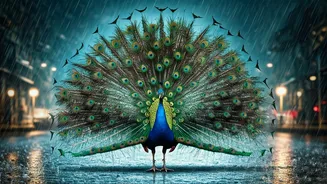
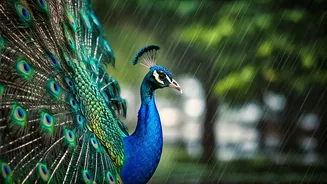
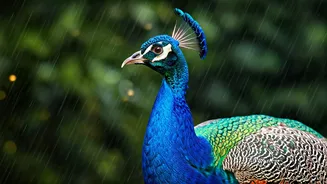
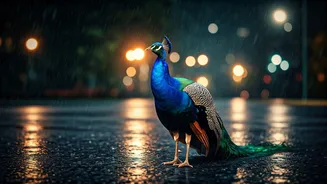
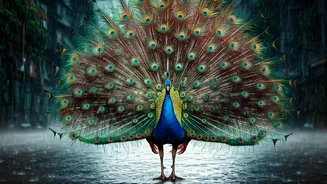
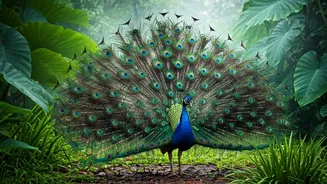
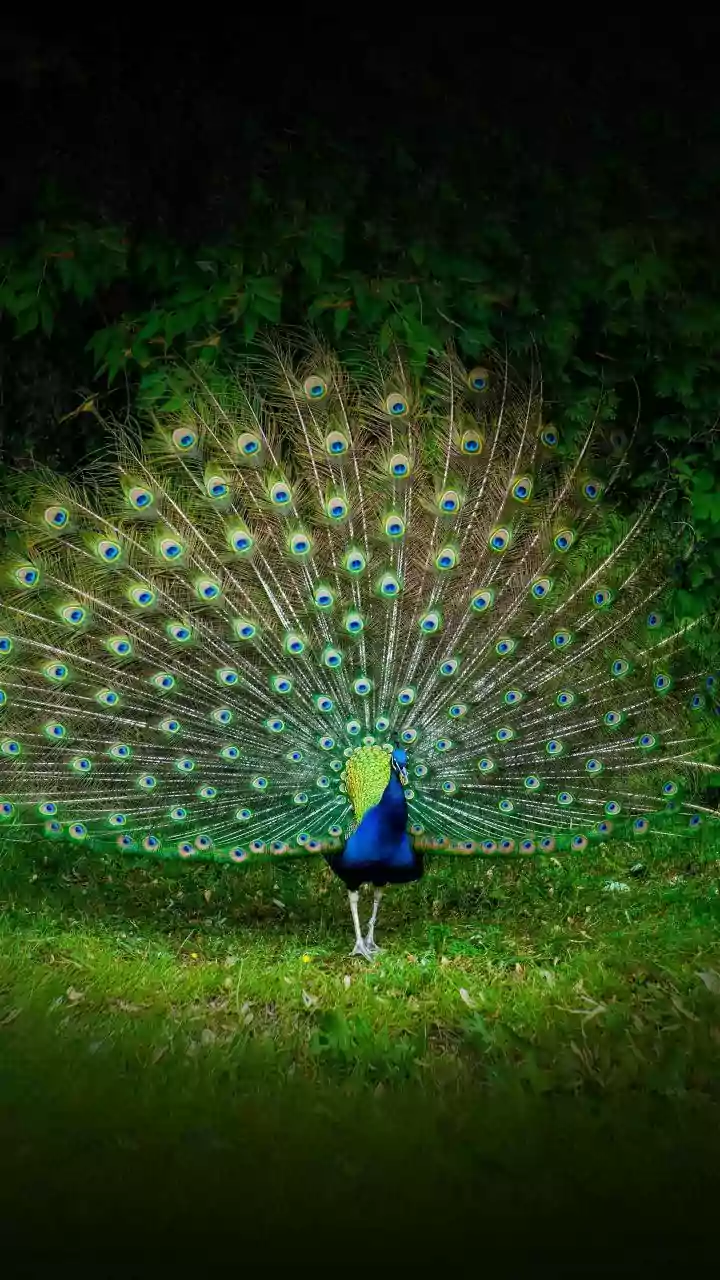
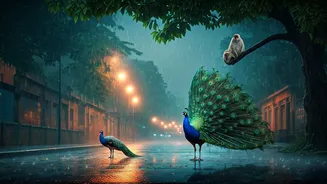
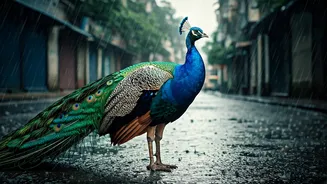
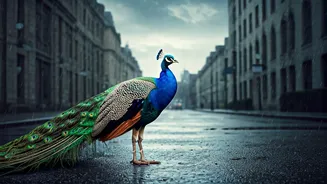
common: the sight of the Indian peafowl. Reports and social media are flush with images of these magnificent birds, their iridescent blue necks and dazzling trains a stark, beautiful contrast to the overcast skies. Recent videos of peacocks strolling calmly down busy roads in South Mumbai just after the first rains captured the nation's attention, a reminder of the wildlife that shares our spaces. This phenomenon offers a moment of shared wonder, a collective pause to appreciate a flash of natural beauty in unexpected places.
Why the Rains Bring Them Out
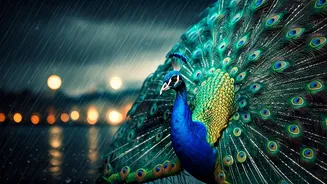
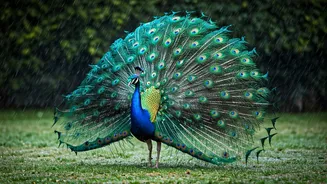
The connection between peacocks and the monsoon is more than just folklore; it is rooted in biology. The monsoon season, typically from June to September in most of India, coincides directly with the peafowl's breeding season. The popular belief that peacocks dance to welcome the rain is a romantic interpretation of their courtship rituals. The famous fanning of the male's tail is a display to attract a mate, and the overcast, cooler weather of the monsoon means they can remain active for longer during the day without overheating. Their loud, distinctive calls, often mistaken as a forecast for rain, are actually part of this seasonal courtship behaviour, echoing more frequently as males compete for the attention of peahens. The increased humidity and abundance of food, like insects and fresh shoots, create the perfect conditions for raising chicks, ensuring the next generation's survival.
An Enduring Symbol of the Rains
Long before it was declared the national bird in 1963, the peacock was deeply woven into India's cultural and mythological fabric, especially in connection with the rains. In Hindu mythology, the bird is associated with several deities. It is the chosen vehicle of Kartikeya, the god of war, and its feathers adorn the crown of Lord Krishna. Ancient texts and poetry, such as Kalidasa's works, have immortalised the image of the peacock dancing at the sight of dark rain clouds, a symbol of joy and renewal. This deep-seated cultural reverence has offered the species a layer of protection, allowing it to thrive across the subcontinent. The sight of a peacock, therefore, is not just a visual treat; it's an echo of centuries of art, faith, and storytelling.
From Forests to Rooftops
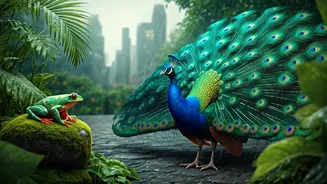
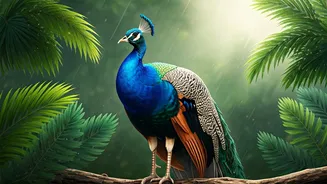
While traditionally residents of forests and scrublands, peacocks are proving to be remarkably adaptable. Sightings are no longer confined to rural areas or national parks. They have become a common sight in India’s metropolitan centres, navigating rooftops, university campuses, and residential colonies with ease. In cities like Delhi and Mumbai, populations have found refuge in large green spaces like parks and community-maintained gardens. This urban adaptation is a testament to the bird’s resilience. While the Indian Peafowl is listed as a species of 'Least Concern' globally, its protected status in India under the Wildlife Protection Act of 1972 has been crucial. The birds face threats from habitat loss and poaching for their feathers and meat, but their ability to coexist with humans in urbanising landscapes is a hopeful sign.