




The Kitchen Secret Your Plants Will Love
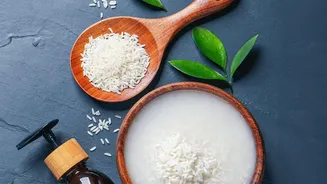
The practice of using rice water, the milky liquid left after washing or boiling rice, is a tradition that has been passed down through generations in many cultures. Recently, it has gained widespread popularity among urban gardeners as a sustainable
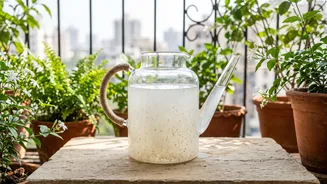
and zero-cost alternative to commercial plant foods. Instead of letting this nutrient-filled water go to waste, gardeners are using it to nourish everything from potted herbs on a balcony to flowering shrubs in a garden. The appeal is simple: it repurposes a common kitchen scrap, saves money, and offers a gentle, organic way to support plant health.
What’s Actually in Rice Water?
That cloudy appearance is a sign of its valuable contents. Rice water contains starches, which are carbohydrates that provide energy to beneficial soil microbes like lactobacilli and mycorrhizae. These microorganisms help improve soil structure and make nutrients more available to plant roots. The water also holds small, diluted amounts of the 'big three' nutrients for plants: nitrogen (N), phosphorus (P), and potassium (K). Beyond that, it contains trace minerals and B vitamins, such as thiamine and niacin, which can promote root development and overall plant vitality.
Fresh vs. Fermented: Which Is Better?
You can use rice water in two ways: fresh or fermented. Fresh rice water, collected right after rinsing rice, is the quickest and easiest to use. It offers a mild dose of nutrients and is safe for most plants. Fermented rice water, however, is considered more potent. By letting the rice water sit for a few days, you encourage the growth of beneficial bacteria. These microbes can help fix nitrogen in the soil and unlock more nutrients, essentially creating a richer, more bioavailable tonic for your plants. Research has shown that fermenting the water for about three days can significantly increase its nutrient content and beneficial microbial population.
How to Prepare and Use It Safely
Preparing rice water is straightforward. For fresh water, simply collect the cloudy liquid from the first or second rinse of uncooked rice. It can be used immediately and undiluted. For a fermented version, pour the rinse water into a jar, cover it loosely with a cloth, and let it sit at room temperature for two to three days until it develops a slightly sour smell. It is crucial to dilute fermented rice water before use—a ratio of one part rice water to five or ten parts plain water is a safe starting point. Apply the liquid directly to the soil at the base of your plants, not on the leaves, about once a week or every two weeks. Never use water from boiling rice if you have added salt, as salt is harmful to plants.
Potential Risks and Common Mistakes
While beneficial, rice water is not a perfect solution and should not completely replace a balanced fertilizer. Its nutrient levels are mild compared to commercial products. Overuse can also lead to problems. The starch can build up on the soil surface, creating a crust that prevents air from reaching the roots. This starchy, damp environment can also attract pests like fungus gnats or lead to mould growth. It's best to avoid using it on succulents and cacti, which prefer dry conditions. Some studies also note that rice can absorb naturally occurring arsenic from the soil, so very frequent use on edible plants may not be ideal. Moderation is key; treat it as a supplement to your regular care routine.