





The Thorny Problem of Spoilage
Bengaluru is a major hub for India’s floriculture industry, but its farmers face a persistent challenge: an unreliable power grid. Flowers, especially roses, are highly perishable and begin to wilt rapidly in the heat. Without consistent refrigeration,
their quality deteriorates, and their vase life shortens dramatically. This leads to significant post-harvest losses, with some estimates suggesting that 30-40% of flowers in India are lost before they even reach a consumer, primarily due to gaps in the cold chain. For farmers, this means lost income and the pressure to sell their harvest immediately at whatever price the market offers, often to their disadvantage.
How Solar Warehouses Provide a Solution
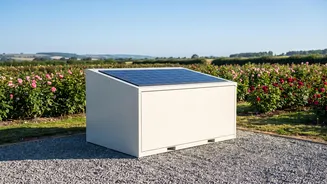
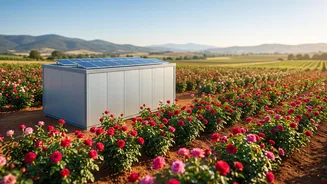
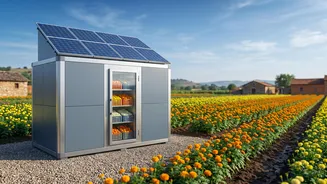
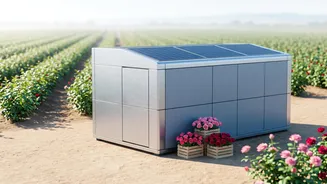
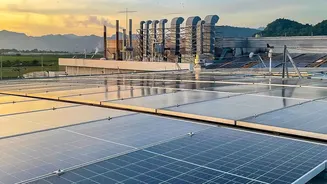
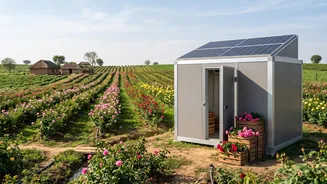
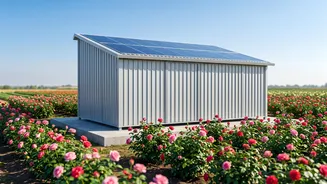
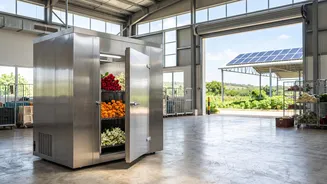
Off-grid solar cold storage warehouses offer a direct solution to this problem. These units are self-contained, refrigerated rooms powered by photovoltaic panels. Many modern systems store energy thermally, often by making ice, rather than relying on expensive battery banks, providing consistent cooling through the night and on cloudy days. This technology effectively creates a farm-level cold chain, independent of the often-unreliable local electricity supply. By pre-cooling roses within hours of being cut, farmers can halt the ageing process, preserving the flowers' freshness, colour, and value for an extended period.
The Economic Bloom for Farmers
While the initial investment for a solar warehouse can be significant, the economic benefits are compelling. Government schemes and subsidies can help offset a substantial portion of the setup cost, making the technology more accessible to small and marginal farmers. The long-term savings are twofold: first, the elimination of high electricity bills or the cost of running diesel generators, and second, a dramatic reduction in crop spoilage. With the ability to safely store their produce, farmers are no longer forced into distress sales. They can wait for market prices to become more favorable, effectively giving them control over their own business and significantly increasing their earning potential.
Wider Market Access and Empowerment
Reliable cold storage does more than just prevent loss; it opens up entirely new markets. Farmers who were once limited to selling locally can now aggregate their produce and access more distant and lucrative urban centers, and even international export markets. This shift is often facilitated by Farmer Producer Organisations (FPOs), which help manage shared cold storage facilities and connect growers with larger buyers. This newfound market power transforms a farmer's role from a price-taker to a strategic business owner. By controlling when and where they sell, they can secure better returns and build a more resilient livelihood.