







Malaysia: The DE Rantau Nomad Pass
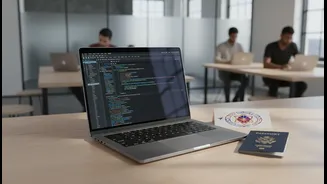
Malaysia is actively courting digital talent with its DE Rantau Nomad Pass, a Professional Visit Pass designed for remote workers. It allows a stay of up to 12 months, with the possibility of renewing for another year. This visa is particularly attractive
for IT and digital professionals, such as software developers, cybersecurity experts, and digital marketers. The income requirement for this category is a minimum of USD 24,000 annually. For non-tech professionals, the threshold is higher at USD 60,000 per year. The application process is handled entirely online through the Malaysia Digital Economy Corporation (MDEC) portal, making it convenient to apply from India. Applicants need to provide proof of income, remote work contracts, and a clean criminal record, among other documents. The pass also allows you to bring dependents, making it a viable option for families.
Thailand: The Destination Thailand Visa (DTV)
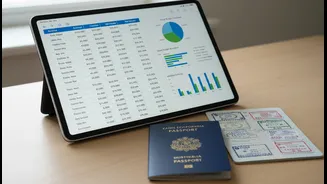
Thailand recently introduced the Destination Thailand Visa (DTV), a fantastic new option for freelancers and remote workers seeking a long-term stay. This multiple-entry visa is valid for up to five years, though each entry permits a stay of 180 days, which can be extended. It's designed for a wide range of individuals, including remote workers, freelancers, and those participating in cultural or training activities. To qualify, Indian applicants need to show proof of funds to support their stay. The visa fee is approximately ₹25,000 to ₹30,000. This visa formalizes the ability for digital nomads to reside in Thailand while working for clients or companies outside the country, moving beyond the limitations of standard tourist visas. The application can be made through the Thai e-Visa system or at a Royal Thai Consulate.
Indonesia: Navigating Visas for Bali and Beyond
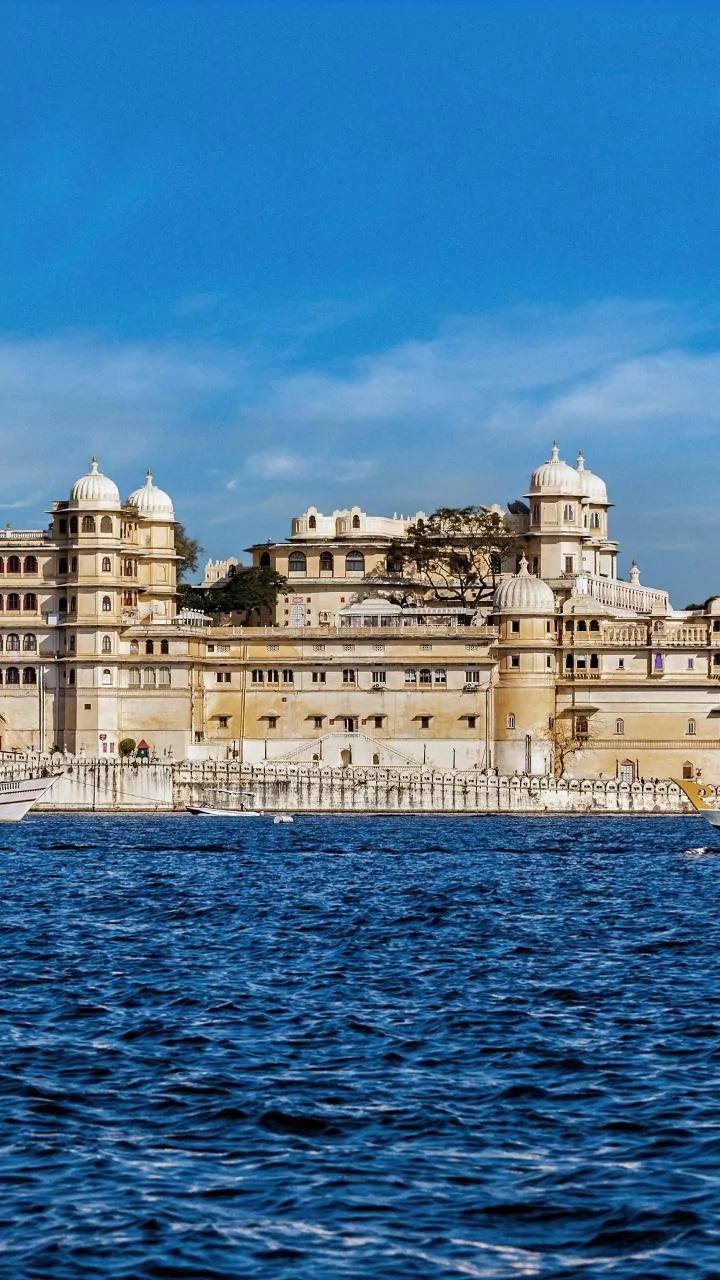
While Indonesia has been discussing a dedicated five-year digital nomad visa, the primary options currently available are the B211A Social-Cultural Visa and the newer E33G Remote Worker Visa. The B211A is a popular choice, allowing a stay of up to 180 days (60 days initially, with two possible extensions). It’s a single-entry visa, meaning you cannot leave and re-enter on the same visa. Applicants typically need to show proof of sufficient funds (around USD 2,000) and an onward ticket. The E33G Remote Worker Visa, introduced in 2024, is for remote employees with foreign contracts and offers a one-year stay. However, some sources note that freelancers may not be eligible for the E33G, making the B211A the more flexible choice for independent contractors. It is crucial for nomads to ensure their income is sourced from outside Indonesia.
Key Considerations for Indian Professionals
Before you pack your bags, there are several crucial factors to consider. First, understand the tax implications. While many of these visas offer tax exemptions on foreign-earned income, the rules depend on how long you stay. Spending more than 183 days in a country can often make you a tax resident, potentially subjecting your worldwide income to local taxes. India has Double Taxation Avoidance Agreements (DTAAs) with many countries, which can prevent you from being taxed twice on the same income. Second, ensure you have comprehensive health insurance valid in your destination country, as this is a mandatory requirement for most nomad visas. Finally, gather all your documents meticulously. This includes bank statements to prove income, letters from clients or employment contracts, and a CV.