






The Tyranny of the Clock
For many young Indians entering the workforce, the morning is a frantic race against time. Long commutes, early start times, and the pressure to be constantly connected leave little room for a leisurely meal. The traditional picture of a family gathered
for parathas or poha is being replaced by a grab-and-go reality. Research indicates that Gen Z, in particular, is skipping breakfast more frequently than any other generation, often opting for a few extra minutes of sleep or staying in bed to scroll through their phones. This isn't necessarily a sign of laziness; it's a calculated trade-off. When every minute is accounted for, the meal that feels most movable is often the first to go. For many, breakfast is no longer a fixed event but a fluid concept, something to be consumed at a desk, on a train, or whenever hunger finally strikes.
The Rise of the Performance Meal
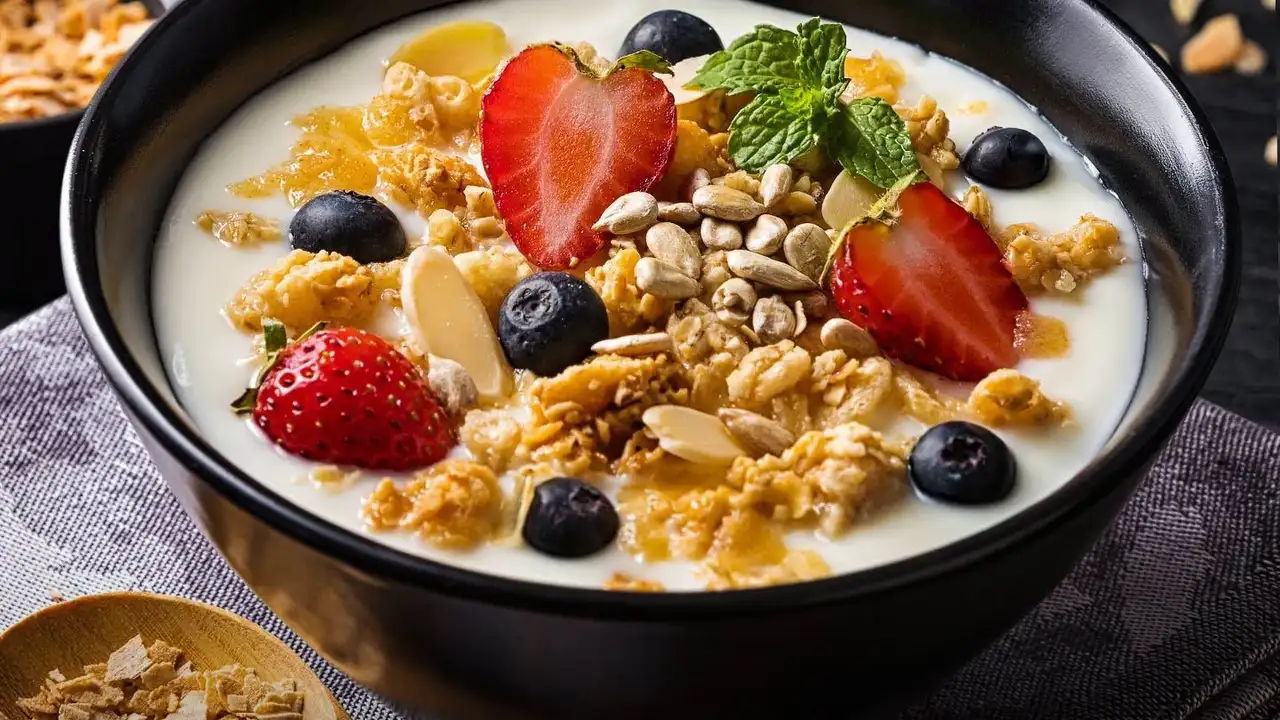
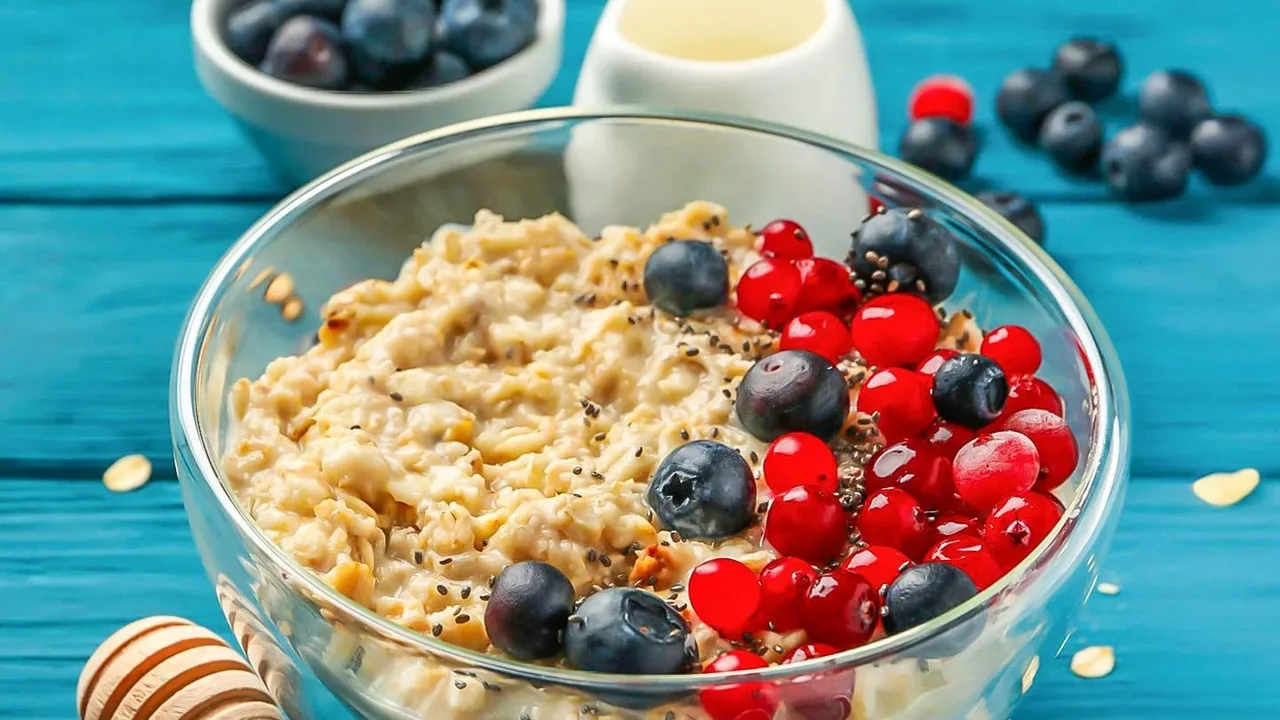
While some are skipping the meal entirely, many others are simply redefining it. The focus has shifted from tradition to function. In urban India, breakfast has transformed into a 'performance meal' designed to fuel a demanding lifestyle. Young consumers are increasingly swapping sugary cereals and heavy, fried options for lighter, nutrient-dense alternatives. High-protein cereals made from millets or sprouted grains, smoothies, yogurt, and fruit are gaining popularity. This shift is driven by a broader wellness wave, where fitness wearables and nutrition apps make every calorie countable and every ingredient intentional. It’s about optimizing energy levels and avoiding the mid-morning crash, a function that a quick, clean source of protein often serves better than a carb-heavy traditional meal.
The 'Snackification' of Breakfast
The line between a meal and a snack is blurring, a trend dubbed the 'snackification' of meals. Gen Z is leading this charge, often replacing or supplementing breakfast with snacks. This could mean a protein bar, a handful of nuts, or a ready-to-eat bowl that offers convenience without compromising too much on health. This trend caters to a generation that values portability and efficiency. Brands have been quick to adapt, offering a range of products that deliver satiety and energy in a convenient format. While the intention is often to snack healthily, emotional triggers and boredom can also lead to more indulgent choices, highlighting a gap between health goals and actual behavior.
It's an Economic Decision, Too
The rising cost of living is another significant factor shaping morning routines. For young professionals in the early stages of their careers, budgets are tight, and rising food prices have a major impact. A daily cafe breakfast or even the ingredients for a complex home-cooked meal can represent a significant expense. Skipping breakfast or opting for a simple, low-cost alternative is a pragmatic financial decision. Some studies show that young adults are particularly sensitive to inflation, which affects their ability to afford essentials like food. This financial pressure forces a re-evaluation of spending, and breakfast is often an area where savings can be made.
A New Morning Ritual
Ultimately, the rethinking of breakfast is not about an attack on the meal itself, but an adaptation to modern life. The flexibility offered by remote or hybrid work models also plays a role, allowing for a later, more relaxed first meal that might blend into lunch. For some, it has even become a form of self-care—a quiet ten minutes with a smoothie bowl or a mindful cup of coffee before the day's chaos begins. Young professionals are no longer bound by the rigid rule that breakfast must be eaten shortly after waking. They are creating new rituals that align with their personal schedules, health goals, and financial realities. The first meal of the day is becoming more personal, functional, and flexible than ever before.