







The Hidden Costs of Convenience
Energy bars and protein bars have become a default snack for many of us, promising a quick fix for hunger and a boost of vitality. Marketed as healthy fuel for an on-the-go lifestyle, they seem like the perfect solution. However, a closer look at the ingredients
list often reveals a different story. Many commercially produced bars are highly processed, packed with refined sugars, high-fructose corn syrup, artificial sweeteners, and a long list of preservatives and additives whose names are hard to pronounce. While they might provide a temporary spike in energy, it’s often followed by a crash. They can be low in the very things that keep you full and nourished—namely, quality fibre and complex carbohydrates—leaving you feeling hungry again sooner than you’d like.
Rediscovering Sattu: A Traditional Powerhouse
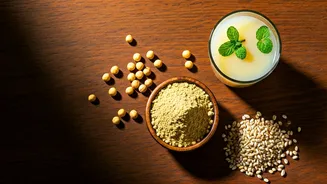
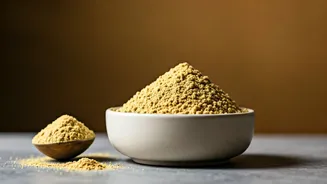
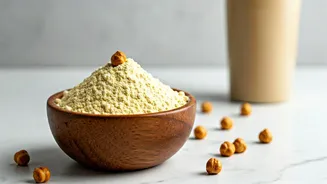
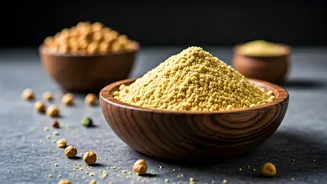
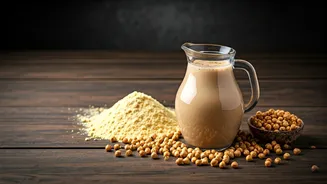
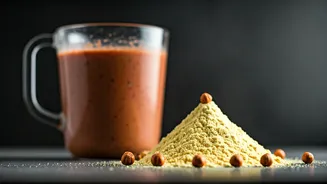
Enter roasted chickpea powder, known across India as sattu. This humble ingredient, a staple in states like Bihar, Jharkhand, and Uttar Pradesh, is a nutritional powerhouse that has sustained generations. Made by dry-roasting and then grinding Bengal gram (kala chana), sattu is the definition of a whole food. It’s inexpensive, widely available, and incredibly versatile. For centuries, it has been used as a cooling summer drink, a fortifying travel food, and a key ingredient in both sweet and savoury dishes. Its resurgence in modern wellness circles isn’t just a trend; it’s a return to an ingredient that is naturally designed for sustained energy and nourishment.
A Superior Nutritional Profile
When you compare sattu to a typical processed bar, the difference is stark. Sattu is naturally rich in high-quality plant-based protein, which is essential for muscle repair and satiety. It’s also loaded with insoluble fibre, which aids digestion, promotes gut health, and helps keep you feeling full for longer, preventing mindless snacking. Being a low-glycemic index food, it releases energy slowly and steadily, preventing the sharp blood sugar spikes and crashes associated with sugary snacks. Furthermore, it's a great source of essential minerals like iron, magnesium, and manganese. Its traditional reputation as a 'cooling' food also has a scientific basis, as it helps in hydrating the body and maintaining electrolyte balance, making it perfect for India’s hot climate.
Jaggery: Nature’s Sweetener
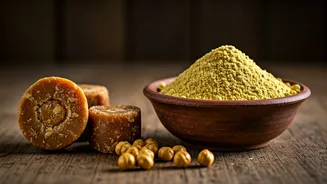
The other half of this power couple is jaggery, or ‘gur’. While processed bars rely on refined sugar or artificial sweeteners, jaggery offers a more wholesome alternative. As an unrefined sugar made from sugarcane juice or date palm sap, it retains many of the nutrients lost during the refining process, including iron, potassium, and magnesium. Unlike white sugar, which provides empty calories, jaggery is a complex carbohydrate that is metabolised more slowly. This means it provides a more gradual release of energy. When paired with the protein and fibre from sattu, it creates a balanced and deeply satisfying snack that fuels your body without overwhelming it.
Easy Ways to Make the Switch
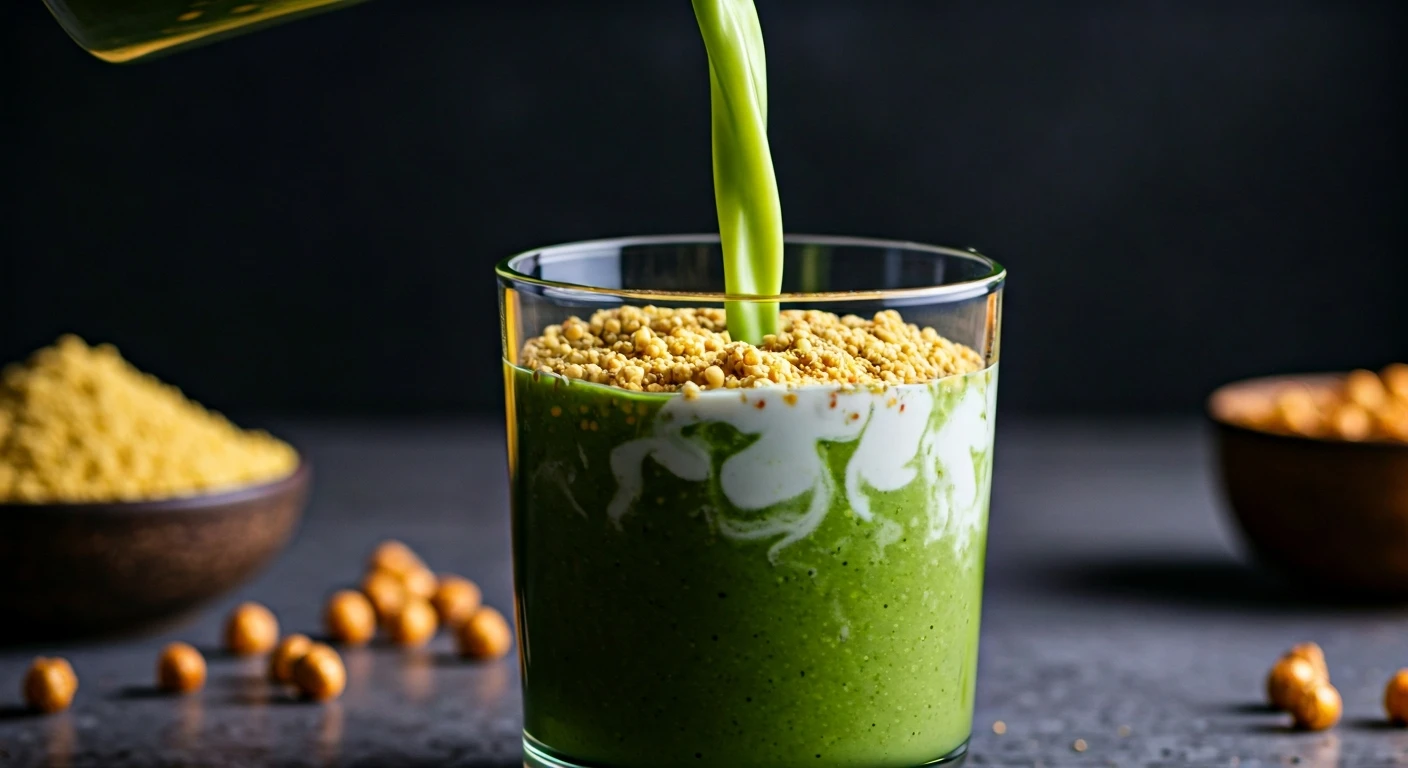
Incorporating this combination into your diet is incredibly simple. The most classic preparation is a sattu sharbat. Just mix two to three tablespoons of sattu powder in a glass of cold water, add a spoonful of powdered jaggery to taste, a pinch of black salt, and a squeeze of lime juice. It’s a refreshing and instantly energising drink. For a snack, you can mix sattu and powdered jaggery with a little bit of ghee to form simple, delicious ladoos. You can even add sattu to your regular roti or paratha dough for an extra protein boost. Ditching the processed bar doesn't mean sacrificing convenience; it means embracing a smarter, more effective kind of simplicity.