






The Case for Planning Ahead
Deciding on your produce early isn't about rigid meal-prepping; it's about aligning your kitchen with nature's clock. When fruits and vegetables are harvested at their natural peak, they offer superior taste and nutritional value. Out-of-season produce often
travels long distances, is harvested prematurely, and may be artificially ripened, leading to a loss of vital nutrients like Vitamin C. By planning with a seasonal calendar, you tap into several key benefits. First, costs are lower because seasonal produce is abundant and supply is high. Second, you support local farmers and reduce the carbon footprint associated with long-haul transportation. Finally, it introduces a natural variety into your diet throughout the year, which can improve gut health by feeding diverse bacterial populations.
How to Start Your Calendar
Creating a produce calendar is simpler than it sounds. It begins with observation. The first step is to identify your region's specific growing seasons. India's climate is too diverse for a single, unified calendar; what’s in season in the North during winter is vastly different from the South. Generally, the year can be divided into three main produce seasons: Summer (March-July), Monsoon (July-November), and Winter (November-March). Start by visiting local farmers' markets and speaking with vendors. Ask where the produce comes from. This simple question helps you identify what is truly local and at its freshest. You can then create a simple chart or a note on your phone, listing the most common items you see each month.
A Glimpse of India's Winter Bounty (Nov-Mar)
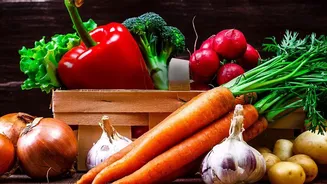
Winter is a particularly rich season for produce across India. In the northern plains, markets are flooded with leafy greens like spinach (palak), fenugreek (methi), and mustard greens (sarson). This is also the peak season for root vegetables such as carrots, radishes, and beetroots. The cooler weather is ideal for cruciferous vegetables like cauliflower and cabbage. Winter is also the prime time for citrus fruits. Oranges, especially from Nagpur, sweet limes (mosambi), and kinnow are at their juiciest and most flavourful. Strawberries also make their appearance during these cooler months.
Savouring the Summer Harvest (Mar-Jul)
As temperatures rise, a new array of produce becomes available. Summer is synonymous with mangoes, the undisputed king of Indian fruits, with different varieties like Alphonso and Kesar ripening from April to July. It is also the season for hydrating fruits like watermelon and muskmelon, which are perfect for beating the heat. When it comes to vegetables, summer brings a variety of gourds, including bottle gourd (lauki), bitter gourd (karela), and ridge gourd. Cucumbers are also crisp and abundant, ideal for cooling salads and raitas.
Embracing the Monsoon Produce (Jul-Nov)
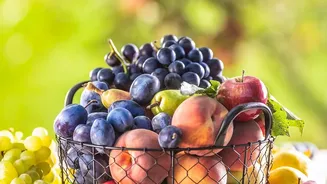
The monsoon season brings relief from the summer heat and its own unique harvest. This is the time for fruits like jamun, pears, and plums. Hill station varieties of peaches also become available. For vegetables, the rainy season is perfect for lady's finger (bhindi), taro root (arbi), and corn. Traditional diets often incorporate bitter vegetables during the monsoon, as they are believed to support liver function and immunity when infections are more common. Pomegranates also begin to appear in markets towards the end of this season.