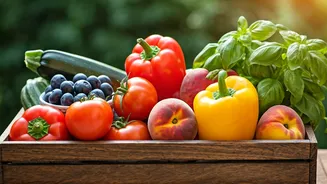









Peak Flavour and Freshness
There is an undeniable difference in taste between a fruit picked at its peak and one that has travelled thousands of kilometres. Seasonal produce is harvested when it's perfectly ripe, allowing its natural sugars and flavours to fully develop. A summer
mango from a local orchard, dripping with juice, is a world apart from an off-season one that was picked green and artificially ripened. This is because seasonal food doesn’t need to endure long storage or transportation periods. It travels from a nearby farm to your market and then to your kitchen, often within days. This short supply chain means you get to experience vegetables and fruits as they are meant to be: vibrant, aromatic, and bursting with flavour.
Maximum Nutritional Value
Just as flavour diminishes over time, so does nutritional content. Fruits and vegetables begin to lose vitamins and antioxidants from the moment they are harvested. Light, heat, and oxygen all contribute to this decline. When you eat seasonally, you are consuming produce at its nutritional peak. Summer foods are often rich in water content and specific nutrients our bodies crave in the heat. For instance, watermelons and cucumbers are incredibly hydrating, while the beta-carotene in mangoes and papayas helps protect our skin from sun damage. By aligning your diet with the seasons, you are naturally providing your body with the specific nutrients it needs to thrive in the current climate.
Kinder to Your Wallet
The basic principles of supply and demand work in your favour when you buy seasonal produce. When a fruit or vegetable is in season, it's abundant. Farmers have a large harvest, and this surplus drives prices down. Trying to buy strawberries in the monsoon or cauliflower in the peak of summer will inevitably cost you more. These items either have to be grown in controlled, energy-intensive environments or imported from other regions, with the cost of logistics passed on to you. By contrast, filling your shopping bag at a local farmers' market with what's plentiful—like bottle gourd (lauki), okra (bhindi), and juicy lychees in the summer—is one of the easiest ways to reduce your grocery bill without sacrificing quality.
A More Sustainable Choice
Eating seasonally often means eating locally, which has significant environmental benefits. Out-of-season produce requires a tremendous amount of energy. It might be grown in a heated greenhouse, refrigerated for months, or flown halfway across the world, all of which contributes to a massive carbon footprint. Supporting local, seasonal agriculture reduces these “food miles” and the associated pollution. It also supports your local farming community, strengthening the regional economy. When you choose the seasonal tomato over the imported one, you are making a small but meaningful vote for a more sustainable and resilient food system.
Encourages Culinary Creativity
Following the seasons in your kitchen is a wonderful way to break out of a cooking rut. Instead of relying on the same handful of vegetables year-round, you are encouraged to explore a wider variety of ingredients. The arrival of new produce at the market can inspire new recipes and flavour combinations. Summer’s bounty of crisp greens, sweet corn, and tangy tomatoes might lead you to experiment with vibrant salads, light stir-fries, and refreshing coolers. This rhythm of eating introduces a natural variety into your diet, ensuring a broader range of nutrients and keeping your meals exciting and delicious.