






1. Turmeric (Haldi): The Golden Standard
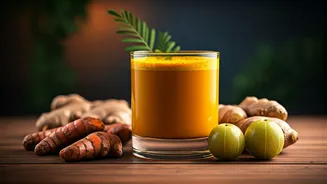
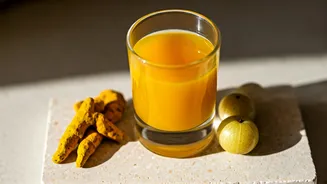
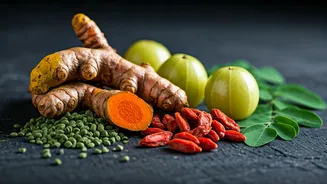
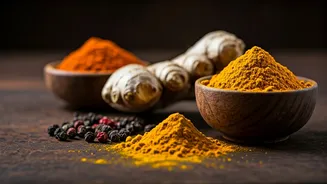
It’s no surprise that turmeric leads the charge. This vibrant yellow spice, a cornerstone of Indian cooking, owes its fame to its active compound, curcumin. Curcumin is a potent anti-inflammatory agent and a powerful antioxidant. Inflammation is a natural
bodily response, but chronic inflammation can weaken your immune system over time. By helping to manage this, curcumin supports overall health. Studies suggest its antioxidant properties help neutralise free radicals, unstable molecules that can damage cells. For best results, remember the golden rule: combine turmeric with a pinch of black pepper. The piperine in pepper is known to enhance the absorption of curcumin by up to 2,000%, making your daily dal or golden milk far more effective.
2. Ginger (Adrak): The Zesty Protector
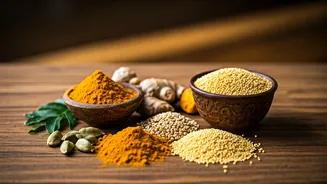
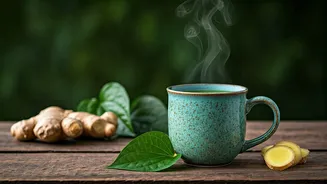
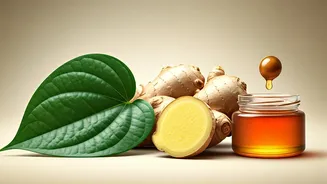
The sharp, warming kick of ginger is a familiar comfort in a cup of chai, especially on a rainy day. But its benefits go far beyond flavour. Ginger contains gingerol, a compound with powerful medicinal properties. It has been traditionally used for centuries to soothe sore throats, fight colds, and settle upset stomachs. Modern science backs this up, showing that gingerol has strong anti-inflammatory and antioxidant effects. Some research indicates it can inhibit the growth of various types of bacteria and may be effective against viruses that cause respiratory infections. Whether you add it to your tea, grate it into a curry, or chew on a raw sliver, ginger is a versatile and potent ally for your well-being.
3. Cinnamon (Dalchini): The Sweet Shield
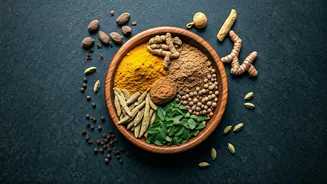
More than just a fragrant addition to biryanis and desserts, cinnamon is packed with beneficial compounds. Its distinct smell and flavour come from cinnamaldehyde, which is also responsible for many of its health benefits. Cinnamon is loaded with antioxidants, outranking many other 'superfoods' like garlic and oregano. It also has anti-inflammatory properties that can help your body fight infections and repair tissue damage. Furthermore, some studies have shown cinnamon to have antimicrobial properties, potentially helping to ward off bacterial and fungal infections. Sprinkling it on your morning oats, adding a stick to your tea, or using it in savoury dishes is an easy way to incorporate this sweet and powerful spice into your diet.
4. Cloves (Laung): The Aromatic Guard
These tiny, dried flower buds pack an enormous punch. Cloves have been used in Ayurvedic medicine for their antiseptic and pain-relieving properties for ages—think of the classic remedy of placing a clove on an aching tooth. Their impressive health profile is due to eugenol, a compound that acts as a natural antioxidant. Cloves are incredibly rich in antioxidants, which can help reduce oxidative stress and support a robust immune system. They also contain compounds that have been shown to have antimicrobial properties, meaning they may help stop the growth of microorganisms like bacteria. While its flavour is strong, a single clove added to rice, tea, or a curry is enough to start reaping its benefits.
5. Black Pepper (Kali Mirch): The Bioavailability Booster
Black pepper is often the unsung hero of the spice world. While it has its own modest health benefits, including antioxidant and anti-inflammatory properties thanks to its active compound, piperine, its true superpower is its ability to enhance the effects of other spices. As mentioned with turmeric, piperine dramatically increases the bioavailability of curcumin. This means it helps your body absorb and use the beneficial compounds from other foods and spices more effectively. So, while you may not reach for black pepper on its own as an 'immunity booster', its role as a team player is crucial. Seasoning your food generously with freshly ground black pepper ensures you get the maximum benefit from all the other healthy ingredients on your plate.