








First, What Is Biological Age?
Before diving into the trial, it’s essential to understand the concept of 'biological age'. While your chronological age is simply the number of years you've been alive, your biological age reflects how quickly your body is aging on a cellular and molecular
level. Factors like genetics, lifestyle, and environment can cause your biological age to be higher or lower than your actual age. Scientists often measure this using 'epigenetic clocks', which analyse chemical modifications to your DNA called methylation. One advanced tool, known as DunedinPACE, doesn't just estimate your body's age but measures the current pace of aging—like a speedometer for how fast your body is accumulating wear and tear. This was the key measurement used in the yoghurt and walking study.
The Trial's Three Pillars
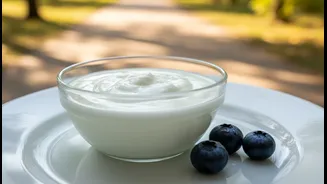
A recent 12-week study, published in the scientific journal Aging, combined three simple lifestyle elements to see if they could affect the pace of biological aging. The first was a daily 100-gram serving of probiotic yoghurt containing a specific strain called Bifidobacterium longum BB536. The second was regular, moderate exercise, with participants asked to walk or use a home stepper machine for at least 30 minutes, three or more times per week. The third pillar was basic dietary counselling. This wasn't a strict diet but gentle guidance to reduce overeating, frequent snacking, and sugary drinks. The idea was to test the combined effect of these accessible habits.
Inside the Clinical Trial
The research was structured as a randomized controlled trial involving 48 overweight Japanese men between the ages of 50 and 74. The participants were split into two groups. One group, the intervention group, adopted the three-part program: daily probiotic yoghurt, regular walks, and dietary guidance. The other half, the control group, was instructed to simply continue with their usual lifestyle and habits. Researchers took blood samples from all participants at the beginning and end of the 12-week period to analyse their DNA methylation and determine their pace of aging using the DunedinPACE clock.
A Measurable Slowdown in Aging
After three months, the results were intriguing. The group that followed the yoghurt, walking, and diet plan showed a statistically significant slowdown in their pace of biological aging—by an average of about 2.2 percent. In contrast, the control group that made no changes showed virtually no shift in their aging pace. Interestingly, this positive change in the intervention group happened regardless of how much weight the participants lost, suggesting the benefits weren't just a byproduct of weight loss alone. The study also noted an improvement in a DNA marker related to kidney function among the men in the intervention group.
Important Context and Caveats
While promising, the findings come with a few important disclaimers. The study was quite small and only lasted for 12 weeks, which is a short window for drawing long-term conclusions. Furthermore, the participants were from a very specific demographic—overweight, middle-aged to older Japanese men—so the results may not apply to women or other populations. It's also worth noting that the research was funded by a company that produces the probiotic yoghurt used in the trial, which represents a potential conflict of interest. Finally, because the three interventions were bundled together, it is impossible to determine if the benefits came from the yoghurt, the exercise, the dietary changes, or the combination of all three.
What This Means For You
This study should not be seen as a magic bullet for reversing age. Instead, it serves as a compelling piece of evidence that simple, accessible, and consistent lifestyle habits can make a real, measurable difference. You don't need a formal study to start incorporating its principles into your own life. Adding a daily walk, being more mindful of snacking and sugary drinks, and including probiotic-rich foods like plain yoghurt are all independently recognized as healthy behaviours. This trial simply adds another layer of data suggesting these habits might be working to support your health right down to the cellular level. It reinforces the timeless wisdom that a healthy diet and an active lifestyle are cornerstones of healthy aging.